Under-the-Radar Round Up 2023, Part 5
 Original Reviews by Jonathan Broxton
I’m pleased to present the latest instalment in my on-going series of articles looking at the best under-the-radar scores from around the world. This article, the fifth of 2023, covers five scores for projects from across the film music globe, and includes music from a groundbreaking Polish animated film, a Swedish Christmas animated film, an epic Japanese animated film, a Vietnamese period romantic drama, and a Polish period drama based on a classic novel.
CHŁOPI/THE PEASANTS – Łukasz Rostkowski
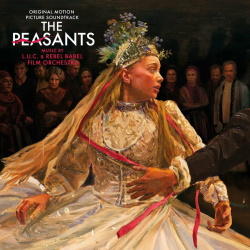 Chłopi, or The Peasants, is an animated historical drama film directed and written by DK Welchman and Hugh Welchman. An adaptation of Władysław Reymont’s Nobel Prize-winning novel of the same name, the film was produced using the ‘painted animation’ technique, similar to the Welchman duo’s previous film, Loving Vincent. Initially the film was shot with the actors, and then over the course of five years more than a hundred painters in four studios in Poland, Lithuania, Ukraine, and Serbia painstakingly created over 40,000 oil paintings based on the shots, which ultimately became the frames in the film. The film is set in a rural village in 19th century Poland and follows the story of Jagna (Kamila Urzędowska), a beautiful young girl caught in a lust-filled affair with a married farmhand named Antek (Robert Gulacyzk). However, when Jahna is forced to marry Antek’s wealthy landowner father Maciej (Mirosław Baka), it sets off a chain of events that will rip the town apart.
The score for The Peasants is by Polish rapper-turned-composer L.U.C., real name Łukasz Rostkowski, and it is his film debut. The score is performed by the Rebel Babel Film Orchestra, a ‘band’ that Rostkowski together with the intention of bringing together numerous Slavic musical and vocal cultures from Poland, Ukraine, and elsewhere, using only historical instruments, no electronics. The resulting score is a combination of symphonic folk tunes, choirs, and more modern-sounding contemporary scoring, and it is a massive, joyous celebration of that entire culture.
Some of the more dramatic score cues are moody, atmospheric, not dark per se, but certainly convey a seriousness that helps capture the bleakness of the setting, the simple lives of the characters, and the increasingly devastating emotional turmoil that the central relationship undergoes. There is some outstanding writing for cellos, accordions, pianos, guitars, and various other ethnic/folk instruments, with cues like “Indian Summer,” the vivacious “Market Day,” the lullaby-like “Jagna,” the soothing and haunting “Bridesmaids Song,” and the beautiful choral elegy “Thaw” leaving an especially positive impression. A poetic main theme weaves through many of these cues, which helps the score develop a distinct melodic identity. The trio of lyrical songs – “Winter Sun,” “Spring Equinox,” and “End of Summer” – play a bit like a haunting contemporary Eurovision entries, and are excellent.
Some more unusual, abstract sounds and approaches are prevalent in cues like “Autumn Rain” (which has a slight Morricone-esque vibe), “Fights,” and especially and the brilliant, chaotic, anguished pair “Battle” and “Hate,” in which Rostkowski adopts a more modernistic approach with more aggressive, dissonant textures, and even some rhythmic ideas that bring the whole thing close to action music, while still remaining with the live-musician no-electronics parameters, and still referencing his main themes. The eerie whispers, hummed plainsong and explosion of religioso church organs and accordions in “Death” are also worth exploring.
However, for me, the standouts are the series of enormous dance sequences that Rostkowski scored with huge, energetic, unstoppably raucous folk tunes that grow and grow and grow until they are mesmerizing, almost hypnotic, in their rhythmic intensity. The “Wedding Mazurka,” the astonishing “Autumn Dance,” the brilliant but much-too-short “Polka,” “Wole Wolta,” and the frantic and overwhelming “Devil Dance,” are all breathtaking celebrations of this culture, full of verve and intensity.
This is fascinating stuff, really expertly crafted, a brilliant combination of traditional Slavic folk music and more modernistic dramatic scoring, filtered through the unconventional sensibility of a former rapper-turned-first time film composer. The clash of styles and general idiosyncratic nature of the score may be a little too much for some people to connect with, especially those who have problems with the most festive types of these dances, but I found the whole thing to be a utterly captivating, and I can’t wait to see what Łukasz Rostkowski does next. The score for The Peasants is available to purchase as a physical CD, and is available to download and stream from all the usual online retailers.
Track Listing: 1. Indian Summer (3:24), 2. Cut-Outs & Herbs (1:21), 3. Market Day (3:12), 4. Autumn Rains (1:56), 5. Jagna (1:47), 6. Bride Price (0:51), 7. Fights (1:25), 8. Bridesmaids’ Song (2:57), 9. Wedding Mazurka (1:53), 10. Autumn Dance (4:40), 11. Winter Sun (4:59), 12. Polka (0:53), 13. Wole Wolta (1:31), 14. Devil Dance (2:40), 15. Battle (3:45), 16. Thaw (1:01), 17. Greed (2:12), 18. Spring Equinox (3:12), 19. Hallelujah (1:19), 20. Death (2:45), 21. Antek (1:31), 22. Hate (2:34), 23. Catharsis (2:13), 24. End of Summer (4:10). Milan Records, 58 minutes 11 seconds.
GOLD KINGDOM AND WATER KINGDOM – Evan Call
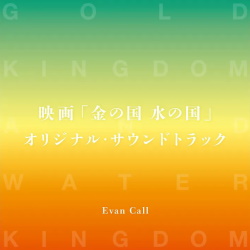 Gold Kingdom and Water Kingdom is a Japanese animated fantasy film directed by Kotono Watanabe, based on the popular Manga comic by Nao Iwamoto. The story follows the intertwined fates of two kingdoms, who are constantly going to war over insignificant matters. When a dispute over removing dog waste – yes, really, dog poop! – turns into yet another war, the God of the two kingdoms intervenes and directs each nation’s kings to exchange the most beautiful girl and the most intelligent young man to be married to each other; as such Sarah, a princess from the Gold Kingdom, and Naranbayar and prince from the Water Kingdom, are betrothed. Initially Sarah and Naranbayar pretend to be a married couple to in order to protect the peace between the countries, but slowly they find themselves gradually falling in love for real.
The score for Gold Kingdom and Water Kingdom is by the Japan-based American composer Evan Call, whose previous scores for Violet Evergarden (2018) and The 13 Lords of Shogun (2022) impressed me enormously. This score is very much the same; it’s a huge, sweeping, romantic orchestral work, sometimes quirky, sometimes devastatingly beautiful, which yet again illustrates just how much outstanding film music continues to come out of the Japanese market.
I have often written about how much I love the sound of western orchestras when they combine with region-specific instrumental textures from Japan, China, and other similar countries, and Gold Kingdom and Water Kingdom falls very much within that appealing sweet-spot. There is a richness and authenticity to this music, and even though Call is not Japanese his music evokes the sound of that culture perfectly, and his use of familiar regional instruments is excellent. Numerous cues stand out to me, from the glorious opening “Tale of Two Kingdoms,” to the wry and officious “A Bride and a Groom,” the exotic and energetic “The Busy Streets of Al Hamit,” the regal “The Man from Baikali,” the magnificent and sweeping “The Gold Kingdom,” the deeply emotional “Words of My Father,” the warmly engaging “A Path to Salvation,” the magical “Sarah and the Chief,” the pretty and romantic “Under the Glow of the Full Moon,” and the festive and triumphant “Birth of the Waterway,” among many others. There is real talent at work here, conveying a multitude of emotions with music that is engaging, well-crafted, and intelligent.
Several of the numerous short cues briefly reference one or the other of the two themes that weave through the score, with several focusing on the erhu representing Sarah, and others focusing on the more percussive/woodwind textures representing Naranbayar. A few more upbeat and quirky pieces of light comedy and whimsy add a touch of fun to the score – cues like “Cats and Dogs?” and the brassy “Troubled Times,” the unexpectedly jazzy “Time for Breakfast,” and the dance-like “Fine Dining,” for example.
And then there are the cues of more bombastic orchestral and percussive action – “No Turning Back Now,” “The Price of War,” the outstanding “And So the Game Begins,” the heraldic “Fate of the Lands” – which are very entertaining and add a new dimension of more serious drama and higher stakes to the score. Some of the brass flourishes in “And So the Game Begins” are sensationally heroic, just wonderful. The 8-minute epic “The Golden Sky Shines Upon Us All” is probably the standout cue of the entire work, a fully realized encapsulation of everything the score has to offer, before the score ends with a massive thematic flourish in the conclusive trio “Welcome to Our Land, “Peace Forged in Gold and Water,” and “An Era of Hope Begins”. Finally, there are also three original songs – “Gentle Premonition,” “Brand New World,” and “Love Birds” – written by Call with lyricist Yumi Iwaki, and sung by Japanese pop star Kotone.
The score for Gold Kingdom and Water Kingdom is available to purchase as a physical CD from Asian import specialists, and is available to download and stream from all the usual online retailers. It’s highly recommended to anyone whose taste, likes mine, finds the wonderous blend of east and west to be endlessly appealing. Evan Call is an undiscovered gem of a composer, at least to American audiences, and hopefully his talents will reach outside the world of anime soon.
Track Listing: 1. Tale of Two Kingdoms (2:53), 2. A Bride for a Groom (2:21), 3. Cats and Dogs? (1:13), 4. Leopoldine’s Request (1:33), 5. Beyond the Wall (0:36), 6. Gentle Premonition (written by Evan Call and Yumi Iwaki, performed by Kotone) (3:11), 7. Troubled Times (1:08), 8. Sarah’s Dream (0:33), 9. Time for Breakfast! (1:16), 10. Quite the Curious Man (0:36), 11. The Busy Streets of Al Hamit (2:02), 12. The Man from Baikali (2:38), 13. The Gold Kingdom (1:16), 14. Saladin’s Saz (0:20), 15. Sarah’s Inner Thoughts (0:43), 16. Words of My Father (1:09), 17. Sarah’s Courage (0:46), 18. Leopoldine and the Flood Gate (1:11), 19. Fine Dining (1:56), 20. A Path to Salvation (2:14), 21. Not That Guy! (0:11), 22. Luqman Runs Away (0:42), 23. No Turning Back Now (1:16), 24. To the Land of Water (2:07), 25. A Nap for Odonchimeg (0:36), 26. Princess!?!? (0:18), 27. The Chief’s Parade (0:32), 28. Temporary Wife (0:15), 29. The Chief Awaits (0:40), 30. Sarah and the Chief (1:35), 31. Sarah’s Honor and the Drinking Contest (1:24), 32. Under the Glow of the Full Moon (4:24), 33. The Price of War (3:33), 34. Birth of the Waterway (1:00), 35. Baura Takes a Stand (0:58), 36. And So the Game Begins (5:43), 37. Searching for Naranbayar (1:50), 38. Brand New World (written by Evan Call and Yumi Iwaki, performed by Kotone) (1:50), 39. Fate of the Lands (1:59), 40. Steps in the Sky (0:34), 41. Naranbayar’s True Feelings (0:39), 42. Two Hearts Become One (0:59), 43. The Golden Sky Shines Upon Us All (8:21), 44. Love Birds (written by Evan Call and Yumi Iwaki, performed by Kotone) (2:33), 45. Welcome to Our Land (0:40), 46. Peace Forged in Gold and Water (2:49), 47. An Era of Hope Begins (2:15). Nippon Television Music, 79 minutes 21 seconds.
JUL MED ASTRID LINDGREN/CHRISTMAS WITH ASTRID LINDGREN – Gaute Storaas
 Christmas with Astrid Lindgren is a Swedish animated film, an anthology featuring new versions of classic stories based the works of legendary children’s author Astrid Lindgren. Her 1949 story Lustig-Gök (The Funny Cuckoo) serves as the framing story in which two siblings, Gunnar and Gunilla, are given a cuckoo clock by their parents in the run-up to Christmas; however, the cuckoo in the clock turns out to be magically alive, and regales the children with several other Lindgren stories to entertain them, including Nils Karlsson Pyssling, Snoballkrig i Katthult (Emil and the Snowball War), The Fox and Santa, and Kajsa Kavat.
The score for Christmas with Astrid Lindgren is by Norwegian composer Gaute Storaas, and it overflows with wonderful festive delights. It is split into four sections, one for each of the books, with the album containing excerpts from Kajsa Kavat, Nils Karlsson Pyssling, Snoballkrig i Katthult, and overarching Rammefortelling Lustig-Gök story. It all has the same seasonal tone one comes to expect from scores of this type – strings, chimes, soft brass, sleigh bells, sometimes a choir – but Storaas does it all with such warmth and sincerity and not a small amount of magic that you can’t help but be charmed by it all.
The “Kajsa Kavat Theme,” “Julrent,” “Skal Vi Bade,” and “God Jul” are just lovely, perfect pieces of yuletide whimsy; they have the same tone as John Williams’s Home Alone, Bruce Broughton’s Miracle on 34th Street, Alan Silvestri’s Polar Express, John Debney’s Elf – you get the idea. If you have any sort of affinity for those scores, you will appreciate this one too. Elsewhere, cues like “Ensam Hemma” are a little more serious and bittersweet, offering a different emotional tone, while cues like “Olyckan,” the middle portion of the aforementioned “Ensam Hemma,” “En My Venn,” the second half of “Skal Vi Bade,” and the “Snoballkrig i Katthult Theme” are playful, scampering scherzos full of mischievous pizzicato runs and lightly comedic action and mickey-mousing. “Hujedamej” is also fun, almost like a Scandinavian acoustic country song sans lyrics, with guitars and a jaw harp.
There are also a handful of original songs performed by the cast, which are probably important in context (and may be based on lyrics/works from the original Lindgren books), but unfortunately my cultural knowledge of them is non-existent, and as nice as they are I tend to skip them. Frustratingly there are also a couple of cues – especially “Hela Gatan e Full av Englar” – which features dialogue from the film over the music, and unfortunately obscures some of Storaas’s lovelier writing.
Unfortunately there is no commercial soundtrack album for Christmas with Astrid Lindgren – Storaas put this promo together for awards consideration purposes – but I highly recommend keeping an eye out for it down the line. It’s full of Christmas charm, whimsy, and positive emotion, a perfectly charming festive season gift.
Track Listing: 1. Kajsa Kavat – Theme (1:28), 2. Kajsa Kavat- Olyckan (2:40), 3. Kajsa Kavat- Julrent (1:42), 4. Kajsa Kavat – Stora Torget (2:09), 5. Kajsa Kavat – Hela Gatan e Full av Englar (2:52), 6. Nils Karlsson Pyssling – Ensam Hemma (2:00), 7. Nils Karlsson Pyssling – Theme (1:23), 8. Nils Karlsson Pyssling – En Ny Venn (2:19), 9. Nils Karlsson Pyssling – Hente Ved (1:17), 10. Nils Karlsson Pyssling – Husleie (2;24), 11. Nils Karlssom Pyssling – Skal Vi Bade (3:07), 12. Rammefortelling Lustig-Gök – Intro Midnatt Rader (0:56), 13. Rammefortelling Lustig-Gök – Flukt (1:21), 14. Rammefortelling Lustig-Gök – God Jul (1:20), 15 Snoballkrig i Katthult – Hujedamej (1:28), 16. Snoballkrig i Katthult – Theme (4:39). Promo, 32 minutes 55 seconds.
NGƯỜI VỢ CUỐI CÙNG/THE LAST WIFE – Christopher Wong, Garrett Crosby, Ian Rees
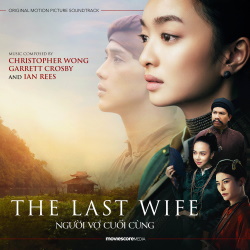 The Last Wife – known as Người Vợ Cuối Cùng in its native language – is a Vietnamese period drama film set during that country’s Nguyen dynasty. It follows the story of a farmer’s daughter named Linh, who reluctantly becomes the third wife of a district governor, but when she is unable to fulfill her ‘duty’ to bear the governor a son, she faces abuse and humiliation from other members of the governor’s household. However, a chance encounter with Nhan, her ex-lover, leads Linh into a dangerous affair and sets off a chain of unexpected, life-altering conflicts. The film is directed by Victor Vũ, and features music by that exceptional trio of composers Christopher Wong, Garrett Crosby, and Ian Rees, who have established themselves are the primary composers in contemporary Vietnamese cinema, despite all of them living and working in southern California.
When talking about the score for The Last Wife, Wong said that it “posed some unusual challenges in unexpected ways. Though having worked on many films with tragic love stories before, and having worked many times with director Victor Vu before, I found it difficult to locate the tone of many scenes immediately. What I discovered is that the film, aside from mainly being a drama, had subtle elements of dark comedy as well as investigative suspense at moments, and pulling these elements together took some trial and error. What I believe the result ends up being is something a little more unusual than a straightforward drama score.”
The score was recorded in Sofia with the Bulgarian Symphony Orchestra, and it is – in a nutshell – beautiful. As Wong describes, it moves through the emotional gamut from drama to light comedy to curious suspense, but at its core the score is about passionate romance, and for me this is where the score excels. I adore the ravishing classical violin performances in both Crosby’s “A New Day” and Wong’s “Through the Night,” the intimate piano textures in Wong’s “Love,” the similarly emotional sound of the piano and cello duet in Crosby’s stunning “Running in the Rain,” the dramatic intent of Wong’s “Troubled Mind,” the gentle harp textures and gorgeous orchestral harmonies in Wong’s “Old Memories,” the searing desperation of the cellos in “Guilt”… the list goes on. Each new cue offers a new, wonderfully appealing new dimension to try to encapsulate the love between Linh and Nhan.
Some cues, notably the pretty and vivacious opening “Wedding Preparations,” the curious and whimsical “The Feast,” and the quirky “Odd Smell” blend the orchestra with some instrumental textures and rhythmic devices from Vietnamese period folk music that lend the score an air of authenticity. Towards the end of the score a couple of cues – notably the “Stealing Montage,” the energetic “Thien Long Runs,” and the much darker and more intense “Axe Fight” – start to embrace the rhythmic and tonal ideas of action/chase music, although even here the score still maintains its innate classicism, with the action usually being based around fast, kinetic string runs.
The finale of the score, from “Torture” through to the end of “Here With You,” sees the tone of the score turn from passionate romance to painful tragedy, and sees the three composers really laying hard into emotional pathos. “Torture” is as sinister as one might expect – Rees uses nervous percussion ticks and pizzicatos strings to increase the tension. “Secret Visit” has a sense of regret and bittersweet tenderness in its soft piano writing. “Fire” is action, one part brutal walls of sound, one part nervous energy, very impressive. Both parts of “Here With You,” and the “Epilogue,” are just emotionally devastating, especially when the cello becomes a lament to loss and love. There is also a lovely an original song, “Bèo Dạt Mây Trôi” performed by popular Vietnamese singer Thùy Chi, which is arranged onto an instrumental-only version by Wong for the end credits.
The Last Wife is an excellent score which – as I have written, repeatedly, over the course of the last decade – proves that Christopher Wong, Garrett Crosby, and Ian Rees are perhaps the most under-valued and under-utilized composers in world cinema today, in terms of their American profile. No, scoring Hollywood movies isn’t the be all and end all, and their career in Vietnamese cinema is spectacular, but I would give anything for them to be given a chance to show their immense talent on films with larger global audiences. Until then, I’ll keep writing these reviews, and keep saying the same thing again and again. The score for The Last Wife is available to purchase as a physical CD, and is available to download and stream, from all the usual online retailers, and from Moviescore Media directly here.
Track Listing: 1. Bèo Dạt Mây Trôi (performed by Thùy Chi) (2:00), 2. Wedding Preparations (3:56), 3. A New Day (1:42), 4. Love (2:02), 5. Running in the Rain (3:14), 6. Bitter Drink (2:38), 7. Noose (1:30), 8. Persecution (1:50), 9. Troubled Mind (1:45), 10. The Feast (2:18), 11. Familiar Man (2:18), 12. Old Memories (4:04), 13. Through the Night (1:26), 14. Odd Smell (1:46), 15. First Theft (2:03), 16. Stealing Montage (2:00), 17. Thien Long Runs (0:44), 18. Cold Ground (1:24), 19. Axe Fight (1:35), 20. Guilt (2:58), 21. Little Lies (2:54), 22. Torture (4:00), 23. Secret Visit (2:18), 24. Fire (2:36), 25. The Next Morning (1:30), 26. Here With You: Part 1 (2:58), 27. Here With You: Part 2 (3:04), 28. Epilogue (1:54), 29. End Credits – Bèo Dạt Mây Trôi (1:13). Moviescore Media, 65 minutes 40 seconds.
ZNACHOR/FORGOTTEN LOVE – Paweł Lucewicz
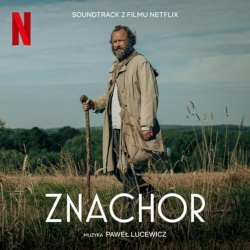 Znachor, known as Forgotten Love in English, is a remake of the beloved 1982 Polish film of the same name, which was itself based on a popular novel by Tadeusz Dołęga-Mostowicz. Set in interwar Poland, the plot revolves around Dr. Marian Zych, a charismatic and unconventional healer who becomes known as ‘Znachor,’ a term that can be translated as a ‘quack’ or ‘charlatan’. The film follows Zych’s life as he travels from town to town, gaining fame and popularity for his seemingly miraculous healing abilities, despite him apparently lacking a formal medical education. However, Zych has a complicated personal and family life, and as the story progresses the story looks at his hidden history, while simultaneously delving into the social and political issues of Poland the time, providing a satirical commentary on the state of Polish society. The new film is directed by Michał Gazda and stars Leszek Lichota in the title role.
The score for Znachor is by Polish composer Paweł Lucewicz, and it is really quite astonishingly beautiful. Considering that the film it, at its core, a story about a man losing, and then eventually re-finding, the things and people in his life he loves the most, Lucewicz’s music reflects this by being deeply emotional; the first half of the score is mostly about loss and has a sense of melancholy, while the second half wallows in wonderous, heartfelt romance. Stylistically, the score reminds me a little of classic Thomas Newman, possibly combined with the long-lined emotional depth of John Barry in his most beautifully bittersweet, and the most contemporary classical piano writing of people like Dario Marianelli and Craig Armstrong.
There are several themes that weave through the score, each one reflecting a different aspect of Zych’s life – the things and the people he has lost, the pastoral beauty of the Polish landscape, and so on – and each one of them is just lovely. Occasionally, when Lucewicz appears to be adopting some of the tonal stylistics of Polish (or, perhaps, Jewish) folk music, some of the chords and melodic ideas remind me of Cliff Eidelman’s score for Triumph of the Spirit, which is not something I expected to write in 2023, but I am very happy I can.
In a score full of highlights – honestly, there is barely a cue that puts a foot wrong – several moments stand out. The subtle vocals in “Wypadek Stasia” add a different dimension to the orchestral textures. “Marysia” features some gorgeous combination writing for oboe and solo piano, solemn and haunting. The strings in “Leśniczówka” are slow, delicate, and tender. There’s a sense of overwhelming tragedy in “Dobraniecki/Pobicie Wilczura”. “Wjazd Do Radoliszek” is full of optimistic life, and “Kino Przyjeżdża” features an array of pretty cascading pianos.
The score being to change slightly after “Ty Jesteś Z Innego Świata,” becoming more conventionally romantic, and from then in it grows through numerous tracks of tender beauty – especially the rapturous “On Cię Kocha,” the soaring “Wypadek/Zieziula,” the dramatic and bold “Podróż Do Dobranieckiego,” the intimate “Kałamarz” which revisits the cascading piano motif, the sweeping and magical “List” – until it reaches its climax in the ‘trial’ sequence that comprises the film’s finale. This quintet of cues – “Poszukiwanie Marysi/Areszt,” “Proces,” “Świadek,” “Kim Pani Jest?” and “Finał” – see Lucewicz wringing every ounce of emotional depth from his orchestra, resulting in an ending that is outstanding and musically satisfying.
One final interesting aspect of the score comes in cues like “Lipeńka,” the vivacious “Sowa,” the second half of “Wypadek/Zieziula,” and “Operacja Marysi,” each of which feature stirring vocal performances by the three-piece Polish folk trio Svahy, whose haunting and soaring voices add depth and root the score in a specific time and place.
Znachor is an excellent score, a perfect example of an out-of-leftfield under-the-radar effort that enraptured me from the first cue to the last. It earmarks 38-year-old Paweł Lucewicz as a composer to watch for the future. He’s been working steadily in Poland for over a decade now, and if this is an example of the quality of his work, there is a lot to be excited about. The score for Znachor is available to purchase as a physical CD, and is available to download and stream from all the usual online retailers.
Track Listing: 1. Profesor Wilczur (1:51), 2. Wypadek Stasia (feat. Noah Lucewicz) (3:05), 3. Marysia (2:02), 4. Konferencja (1:15), 5. Zapomnij O Mnie (1:48), 6. Leśniczówka (1:34), 7. Dobraniecki/Pobicie Wilczura (3:14), 8. Sierotka Marysia (1:04), 9. Wjazd Do Radoliszek (1:15), 10. Lipeńka (feat. Svahy) (1:12), 11. Co Ty, Lekarz Jakiś? (1:24), 12. Sowa (feat. Svahy) (1:23), 13. Zośka (0:45), 14. Kino Przyjeżdża (0:46), 15. Ty Jesteś Z Innego Świata (1:15), 16. Zawieź Mnie Gdzieś Jeszcze (1:10), 17. Zapatrzenie (0:54), 18. Zrobi To Antoni? (2:58), 19. On Cię Kocha (2:09), 20. Wypadek/Zieziula (feat. Svahy) (4:19), 21. Operacja Marysi (feat. Svahy) (1:49), 22. Podróż Do Dobranieckiego (feat. Noah Lucewicz) (2:42), 23. Gdzie Leszek (1:57), 24. Kałamarz (1:40), 25. List (3:40), 26. Michał Chodzi (0:53), 27. Poszukiwanie Marysi/Areszt (2:32), 28. Proces (1:02), 29. Świadek (1:13), 30. Kim Pani Jest? (1:55), 31. Finał (2:28), 32. Wiązana Mazowiecka: Lipeńka/Sowa/Zieziula (Bonus Track) [feat. Svahy] (7:50). Netflix Music/ Paweł Lucewicz, 65 minutes 06 seconds.
-
February 2, 2024 at 8:01 amMovie Music UK Awards 2023 | MOVIE MUSIC UK

Shop at the Movie Music UK Store

Member of the


