Archive
Johnny Douglas, 1920-2003
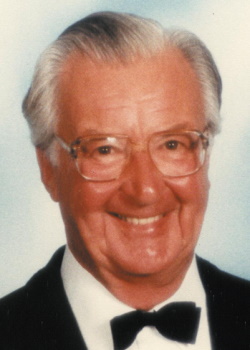 Composer, arranger and conductor Johnny Douglas died at his home in Bognor Regis, West Sussex, England, on April 20, 2003, at the age of 82, following a battle with prostate cancer.
One of the stalwarts of British light music, Douglas wrote scores for around three dozen feature films while maintaining an enormous career in radio, recordings and television. He is remembered above all for Lionel Jeffries’s The Railway Children, whose warmly nostalgic score earned him a BAFTA nomination.
John Henry Douglas was born in Hackney, London, on June 19, 1920, and grew up in Bermondsey. A musical prodigy, he began piano lessons at four and was studying arranging and orchestration before his teens. He formed a dance band while still at school and made his professional debut in 1939 with the Neville Hughes Sextet. During World War II he served in the RAF, where an arm injury temporarily prevented him from playing and encouraged him to concentrate on arranging and composition.
After the war Douglas arranged for bandleaders including Ambrose, Ted Heath and Edmundo Ros before becoming heavily involved in recording. He provided hundreds of arrangements for Decca and in 1958 began a long association with RCA’s Living Strings series, ultimately arranging and conducting more than 80 albums for the label. His polished string writing and gift for melody made him one of Britain’s busiest practitioners of easy-listening orchestral music. Read more…
GHOSTS OF THE ABYSS – Joel McNeely
 Original Review by Jonathan Broxton
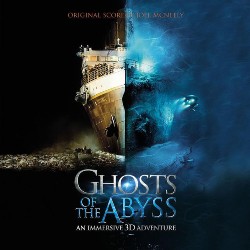
Following his Oscar winning 1997 movie Titanic, director James Cameron has since become very interested in the shipwreck of the real life ocean liner, which struck an iceberg on 14 April 1912, while on its maiden voyage from Southampton to New York, and sunk beneath the freezing waters of the north Atlantic, killing almost 1,500 passengers. In Ghosts of the Abyss, Cameron, along with a team of the world’s foremost historic and marine experts and his friend, actor Bill Paxton, embarks on an unscripted adventure back to where some of the footage for his dramatic film was shot. Using state-of-the-art technology and new 3-D IMAX cameras developed expressly for this expedition, Cameron and his crew explore virtually all of the wreckage, inside and out, as never before. In addition, actors re-create key moments from the Titanic’s last moments (in a way similar to Discovery Channel documentaries), breathing life and immediacy to the science. Read more…

Shop at the Movie Music UK Store

Member of the


