WINTERSET – Nathaniel Shilkret
 GREATEST SCORES OF THE TWENTIETH CENTURY
Original Review by Craig Lysy
Playwright Maxwell Anderson was profoundly disturbed by the highly controversial execution of Nicola Sacco and Bartolomeo Vanzetti in 1927. He drew inspiration from the event and wrote Winterset in 1935 as a poetic and dramatic exploration of the aftermath of a similar injustice. A 1935 stage production was a massive hit, winning the very first New York Drama Critics Circle Award. Given its success, RKO Pictures bought the screen rights to capitalize on its prestige with a film version. Pandro S. Berman was assigned as producer with a budget of $400,000, Alfred Santell was tasked with directing, and Anthony Veiller would write the screenplay. RKO decided to recruit most of the Broadway cast for the film. Burgess Meredith would star as Mio Romagna, joined by Margo as Miriamne Esdras, Eduardo Cianelli as Trock Estrella, John Carradine as Bartolomeo Romagna, Paul Guilfoyle as Garth Esdras, Maurice Moscovitch as Papa Esdras, and Edward Ellis as Judge Gaunt.
The film is based on the infamous real-life Sacco and Vanzetti trial and weaves a classic Greek tragedy into Depression-era social drama. Sixteen years after his father is sent to the electric chair, Mio Romagna is determined to expose the truth and sets out against all odds to redeem his father’s legacy. He tracks key figures from the original trial to a snowy, desolate New York City tenement under the Brooklyn Bridge. His investigation brings him into direct conflict with Trock Estrella, the brutal crime boss who committed the original murder, and with a tormented, half-crazed Judge Gaunt, who presided over his father’s trial. While hiding in the shadows of the tenement, Mio falls in love with Miriamne Esdras, a young woman whose family holds secrets about the night of the crime. As Mio closes in on the facts, Trock orders hitmen to silence him. The lovers are trapped by the mob but are saved when Mio creates a disturbance, which leads to their arrest by police. The film did not resonate with audiences because it lacked major stars, and the story’s dark, heavy themes of injustice, vengeance, and fatalism were a tough sell for Depression-era audiences, who largely flocked to theaters for lighthearted escapist entertainment. Critics, however, praised it for its dark, brooding atmosphere, poetic dialogue, and the standout performances of Burgess Meredith and Eduardo Cianelli. The film received two Academy Award nominations: Best Art Direction and Best Music, Score.
In 1935 Nathaniel Shilkret left his successful career in New York City as a director and recording artist for RCA Victor to accept the position of Director of Music for RKO Radio Pictures in Hollywood. He took personal charge of scoring Winterset, which was deemed a major studio production. Upon viewing the film, Shilkret recognized that he faced a unique musical challenge. Anthony Veiller’s screenplay preserved much of the elevated, poetic, and stylized dialogue of Maxwell Anderson’s highly acclaimed Broadway stage play. His music would have to balance this dialogue-driven narrative with the gritty realism of a New York slum setting and its denizens.
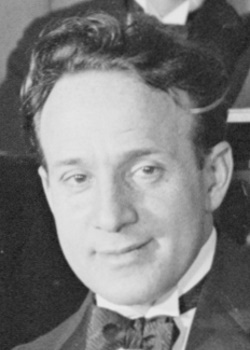 For his soundscape, Shilkret decided to support Maxwell Anderson’s grim, poetic play about injustice inspired by the Sacco-Vanzetti case with music that expressed its mood and darkness. He achieved this by employing dense string writing, melancholic woodwinds, and dramatic horn punctuations to evoke the emotional weight of the tragedy. He also created a pervasive, brooding atmosphere that matched the bleak, rainy, and oppressive setting under the Manhattan Bridge. Other techniques included the use of sustained, low-register string drones and slow harmonic shifts to maintain an underlying sense of dread and claustrophobia, emphasizing that the characters were trapped by their environments and pasts. Because the characters often spoke in poetic rhythms, Shilkret fashioned his score to emote in the manner of an operatic recitative accompaniment. The music stayed primarily in lower, warmer registers beneath the dialogue to provide a rich emotional cushion without competing with the complex meter of the spoken word. Lastly, to provide dramatic counterpoint, he reserved the score’s loudest, most aggressive horn and percussion interventions for moments of sudden violence or looming mortality, shifting fluidly from quiet melancholy to shocking theatrical terror.
For the film’s characters, Shilkret decided to express the tragic themes of justice, vengeance, and star-crossed love by weaving a tightly structured leitmotif system that mirrors the poetic rhythm of the original text. Four primary themes emerge. Mio’s Theme, representing the vengeful son, is the driving force of the score. It is built on a restless, driving minor-modal statement borne by the strings nobile. The melody acts as a musical embodiment of his obsession with clearing his wrongfully executed father’s name. It alternates between sharp, aggressive rhythmic spurts when he seeks justice and a hollow, aching lyricism that betrays his inner isolation. Miriamne, Mio’s romantic counterpart, receives a vastly different theme: minor modal, tender, and intensely fragile. It is dominated by solo woodwinds and gentle, high-register violins, which inject a sense of purity and tragic innocence into an otherwise dark musical landscape. The Love Theme for Mio and Miriamne offers a musical union in which Shilkret beautifully entwines their separate themes, often culminating in a sweeping crescendo romantico climax. Their shared melody climbs atop passionate string arrangements that recall classic opera, emphasizing that their love is doomed by the sins of the past. Lastly, Shilkret creates a musical counterpoint between the oppressive, corrupt environment and the pure, tragic innocence of their romance. Trock Estrella’s Theme supports the film’s gangster villain and Mio’s menacing antagonist. Shilkret employs staccato, chromatic horn patterns and low-register timpani strikes. His musical identity is rhythmically rigid and sharp, mimicking his cold-blooded, desperate willingness to resort to violence to protect his dark secrets. Garth’s Theme is derived from an interpolation of Ludwig van Beethoven’s Archduke Piano Trio in B-flat Major, Op. 97, Andante cantabile. The melody is hymn-like, meditative, and prayerful. He plays this specific classical theme while seeking absolution and striving to escape the grim reality of his past. He is trapped in hiding because he is the secret witness who could expose the film’s villain, Trock Estrella, and clear the name of an innocent man. Lastly, Shilkret also adapted Ernesto Lecuona’s “Siboney” (1927) as the hurdy-gurdy’s organ-barrel theme. The song beautifully blends festive dance rhythms with romantic lyrics about eternal love.
There is no commercial release of the score, as much of Shilkret’s original sheet music, including the master conductor’s score, handwritten sketches, individual orchestral parts, and personal archives, was entirely lost in a devastating house fire later in his life, leaving the film’s optical audio track as the primary historical record. As such, I will use film time indices and scene descriptors to provide narrative context for the music.
At 0:00 the Hollywood Classic Movies logo displays with a surging swish effect. At 0:15 the RKO Radio Picture logo displays supported by a telegraph-like beeping. We shift at 0:27 into the “Main Titles” an outstanding score highlight where Shilkret masterfully captures the film’s dark, dramatic mood, and introduces us to his primary character themes. The opening credits flow against a New York City backdrop of a fog draped Brooklyn Bridge. Shilkret offers a slow and weighty music musical narrative that feels like the heavy gray sky of a bitter winter, much like the fog shrouding the city. A heavy, low register rumbling sound borne by basses and celli emote a slow, marching rhythm. Sweeping strings build up a theatrical sound that echoes the tragic tone of the story. Multiple layers of horns and woodwinds join in., At 0:57 we flow atop sumptuous strings into the Love Theme, which is emoted as a slow dance, tinged with sadness. We shift up, and then pause as the cast credits unfold; at 1:21 Burgess Meredith’s photo as Mio displays and the music swells with a bold, heroic, and slightly tragic horn melody, which reflects Mio’s filial and brave search for the truth. At 1:26 Margo as Miriamne displays as the melody shifts to soft, flowing, and gentle strings, which creates a sweet, romantic tone that reflects Miriamne’s hopeful and innocent nature. At 1:31 Eduardo Cianelli as Trock displays, and the music turns aggressive, menacing, and very dark. Low register horns and sudden, sharp strikes of sound inform us of Trock’s dangerous and cruel gang-boss personality. At 1:36 Maurice Moscovitch as Esdras displays, with the music becoming solemn, and shifting to a quiet, meditative tempo reflective of a traditional Hebrew prayer melody or a lament. Borne by strings and a mournful woodwind line borne by an oboe and clarinet pairing, the music reflects Esdra’s character as an old, deeply religious, and heavily burdened Talmudic scholar who is agonizing over his son Garth’s silence regarding the murder. At 1:41 Paul Guilfoyle as Garth displays, supported by tense, agitated, and heavily syncopated low horns push a repetitive, rhythmic pulse beneath the strings. This musical shift directly mirrors Garth’s internal terror, his fear of being hunted down by the gangster Trock Estrella, and his paralyzing guilt over hiding the truth that could exonerate Mio’s executed father. At 1:45 Judge Gaunt the score shifts to a stiff, uneasy tempo borne by high register, wavering woodwinds, which inform us of the judge’s confusion and guilt. Lastly, at 1:50 Stanley Ridges as Shadow displays, the music utilizes heavy, slow, minor modal horns and ominous, low string tremolos. This creates a haunting, atmospheric tone that perfectly captures the film’s tense, shadowy urban underworld
2:01 “Prologue” opens to narrative script; “A Small manufacturing town near New York 1920” opens with a warm, spritely musical narrative as Trock walks along a side street reading a newspaper. Tension builds as he orders his henchman Shadow, and Garth Edras to steal a car that happens to belong to Bartolomeo Romagna. They drive off as a Maria Romagna looks out her window and informs her husband Bartolomeo who worries that the car contained all his radical political handouts. He orders Maria and his son Mio to New York City for safety and she wonders why he cannot work a normal job like others instead of being involved in the movement. 4:00 “The Robbery” opens with this factory signage; Baker & Crandall Factory. A worker called Tommy departs work early, and Shilkret reprises his spritely motif. The music darkens at 4:26 as the camera shifts to Trock, Shadow, and Edras sitting in Bartolomeo’s stolen car. At 4:45 Tock shoots an old man lighting a cigarette by the factory gate. An accelerando dramatico propels Trock’s exit of the car, and run to the old man. Trock’s Theme borne by dire horns and woodwinds growl as he rips away the payroll bag he was carrying, and returns to the car. Garth is the driver, and strings energico propel their escape, as men flock to the dead man and declare they stole the payment. A worker calls out the car’s license plate “93 – 567”, which is punctuated by horns as we see two policemen inspecting the abandoned car.
5:18 “The Trial” offers a poignant score highlight. We open in the courtroom, where Bartolomeo is charged with murder in the first degree. Shilkret begins with a misterioso, which creates a dark, heavy, and nervous mood. This soundscape expresses the unfair trial and the sorrow of the main character, Mio, as his father is condemned. Witness after witness offers circumstantial evidence, including, that Bartolomeo worked at the factory for two years and would know what time to strike. Clearly, the radical leftist pamphlets prejudice the jury, and despite his genuine pleas of innocence, he is sentenced to death for first degree murder. When asked at 6:21 if he has anything to say, Bartolomeo calmly replies that he has never stolen, and would never kill another. He then startles the judge saying that he is sorry for him, as he will have to live with the burden of sending an innocent man to his death. Shilkret supports with a haunting musical narrative with sad, repetitive, minor modal figures borne by bassoons, cellos, and basses playing, which speak of resignation. Although the judge is clearly affected, he says he is compelled by precedent to render punishment. He sentences Bartolomeo to death by electrocution on 20 November 1920, and the music slows down to a very low, mournful, and creeping pace. Dire horns of doom punctuate the pronouncement joined by rolling timpani drums create a feeling of doom, acting like an echo of tragedy. It fills the room with sadness, which foreshadows the lifelong pain this event will cause the family. Afterwards, at 7:54 out in the cold snowy night, mama tells Mio to never forget that they murdered your father. Shilkret supports with dark, minor modal orchestral tones, a sorrowful, somber, and deeply tragic lullaby that reflects the boy’s lost childhood.
8:10 “An Eastern Law School 1936” opens with vibrant heraldic fanfare as narrative scripts displays. Inside, a professor says that each year he gives the graduating class a noteworthy case to analyze. The case he assigns, is the murder conviction of Bartoloneo Ramagni of a paymaster he was accused of robbing. A dire musical narrative unfolds with each statement made by a student punctuated by horns dramatico; 8:52 “His own lawyer did nothing for him.” 8:58 “There was not one witness who could identify him as the murderer.” 9:04 “There was not a shred of evidence against him.” Later a Law school faculty discussion reveals that a man named Garth Edras was picked up by police on suspicion of being an accessory to the crime. But he was never asked to testify. 9:54 “Montage” reveals a sequence of newspaper headlines questioning the conviction of Bartelomio Ramagni propelled by cycling strings energico, which provide mechanical energy to spinning printing presses. In each case the Headline is punctuated dramatically; 9:58 Daily News – “Law Class Attacks Romagna Execution”, 10:07 Globe Express – “Liggett Blames Hysteria for Romagna Conviction”, 10:14 New York Daily Star – “Romagna Conviction Branded Unfair”. 10:27 “Trock Released” reveals Trock Estrella reading and smiling at a newspaper headline which reads; “Trock Estrella released early from a five-year sentence for narcotics violation”. Shilkret mixes tension and a bouncy and rhythmic rendering of his theme. An energetic narrative with a staccato tempo animates his four henchmen, who he has summoned, in the bar below. When they reach the upstairs door at 11:26 the rhythm’s tempo slows, and becomes grave as Shadow goes in alone. A declaration of Brock’s Theme greats Shadow as he enters and Brock dismisses his barber and secretary. We learn that Brock was released mercifully as he relates that the doctor gave him six months to live. Brock is agitated that the Law School has brought up the Romagna case because he fears Garth may talk. Shadow reassures him that he won’t talk, but Brock counters, saying that only dead men don’t talk. He then adds that he worries that there is a son out there and he would like to know what he is.
13:51 “Mio and Carr” reveals Mio, and his friend Carr, both down on their luck in a soup kitchen line. They run out of food as the reach the server. They take it in stride as Mio says he needs to talk to the Liggett guy at the law school. Shilkret mirrors the mood of the characters by combining sweet, hopeful melodies with dark, aggressive an unsettling, harsh urban sounds sound, which represents the dangerous shadows of the New York City underworld and the looming threat of the gangsters nearby. 14:53 “Mariamne Confronts Garth” reveals Garth playing the Andante cantibile from Beethoven’s “Archduke Piano Trio in B-flat major on his violin. Miriamne, his sister, interrupts him, and asks why papa refuses to go out. The song reflects the overarching tension and paranoia that plagues Garth as a haunting reminder of the Romagna crime that ruined his life, and the ongoing danger surrounding the witnesses. She confronts him with a note from Liggett from the law school, which causes him to become angry and agitated saying he is not mixed up in any murder. Tremolo Strings tinged with dissonance join with clashing, unstable chords to represent the moral conflict and secrets Garth is hiding. Underneath their dialogue tense strings, and a slow, heavy pulse from by lower horns grounds the scene in a feeling of heavy doom and inescapable tragedy as the resurrection of the Ramagna case looms. As Mariamne presses, her theme swells slightly with a tragic, lyrical auras, which remains rooted in a somber, sorrowful tone.
16:07 “Trock Arrives” reveals the door opening to reveal Trock and Shadow, supported by his dire fanfare. He orders her out as he has to talk to his brother alone. The musical narrative is overtly ominous as she hesitates and he repeats his command with menace. Trock is paranoid of the truth to come out, and Garth reminds him that only the two of us know the truth and it would be stupid to talk as he would end up in jail. Trock brings up the judge who has disappeared from sight. Shadow is dismissive and says, you both just have the jitters. Trock takes offense and dire horns at 17:58 support Shadow raising his pistol. The menacing musical narrative swells as Trock and Shadow depart. Trock issues a veiled threat to stay home, because if he has to go out looking for you… Harsh, churning strings bellicoso support them pushing papa aside as the leave. 18:36 “Miriamne is Distraught” offers low bassoons and horns and deep, unresolved chords, which in essence sustains a musical shadow over the apartment even after the villains physically leave. Miriamne, who heard the entire conversation, rushes in panicked. Fear permeates in the aftermath as Shilkret transitions from jarring, aggressive horns and percussive undertones as Gareth admits to his past as a gang member involved in the payroll theft, and murder committed by Trock, which ended up with Romagna’s execution for a crime he did not commit. Shilkret masterfully highlights her innocence clashing with the dark reality of her family’s forced silence by a gangster. At 19:22 dense, weeping string arrangements and elegiac horns swell to convey his profound grief and regrets. Low register woodwinds and weeping strings supports papa’s paternal love as he tries to console his son. Garth walks away, saying not to worry, and that he will be quiet. At 20:20 Miriamne turns to papa and a fragile, melancholy variation of her theme emerges with trepidation atop a violin tristi and kindred strings as she says we must be quiet to live? Pap answers, yes. We end without musical resolution, carried by foreboding undercurrents that impart the requisite film noir sensibilities as Miriamne, with deep concern, realizes the danger their family is in as they sit trapped in their claustrophobic gritty New York tenement setting.
20:39 “Miriam Leaves” reveals her decision to leave the Esdras’s basement apartment. Shilkret transitions the music from a claustrophobic, suspense-driven underscore into a highly emotional, exposition of her theme borne by strings appassionato with woodwind adornment. At 21:15 we shift to an eerie misterioso as we see Judge Gaunt wandering the squalid, foggy New York waterfront as a dazed, confused derelict seeking validation for his past legal rulings. He meets a man and asks what street this is, and the man says, no street, just an alley. The score shifts to a stiff, uneasy tempo borne by high register, wavering woodwinds, which inform us of the judge’s confusion. This is punctuated by a declaration of Trock’s Theme by horns tormentose as we see him holding a newspaper with a Headline declaring Romagna guilty. In “Mio Remembers Bartolomeo” we shift to Carr and Mio walking atop the Brooklyn Bridge, with Carr relating that Mio’s ole man was a radical and dangerous man. Mio agrees, and say he was a dangerous man because he believed; That children should not be forced to work, that a man should only work a reasonable number of hours a day, when he is injured, he should have care and medical attention, if he got too old to work, that he should be cared for and not starve. Carr is incredulous, saying are you crazy, those things are the law. Mio says, I know, and at 22:51, music enters as grave horn punctuation by Trock’s Fanfare when Mio declares that his father died 16 years ago for these very beliefs, which are now law.
23:03 “Mio and Miriamne Meet” offers a score romantic highlight. It reveals Mio and Carr coming upon Miriamne who stands alone in silent contemplation. Carr steps aside and sits down, and Mio approaches her. He is clearly attracted to her, and they connect when he says she is unhappy, and she responds, that he is also unhappy. When she asks, can she help, she captures his heart, as he says, thank you. He says in all the miles I have traveled…but she interrupts and says, she means it. He asks, what is her name, she defers, and he says it seems we met before. He says with a smile, maybe we will meet again, she smiles and hurries away. As our two troubled lovers meet, and connect amidst the cold urban decay, the music swells with a sumptuous molto romantico rendering of their Love Theme. High-register violins carry a yearning, that embodies the instant connection and tragic romance blooming between Mio and Miriamne. Gentle horns and woodwinds weave into the strings to create an intimate, atmospheric sound that allows the two characters to briefly escape their dark realities. Woven within the melodic line are subtle, minor modal undercurrents of tragedy and shadow as Shilkret hints at the danger surrounding them and their imperiled fates. As she departs, the music mimics Mio’s eyes following her into the shadows, lingering on the possibility of love and a life outside his singular quest for vengeance.
24:45 “She’s Kinda Cute” reveals Carr rejoining Mio and relating that she is kinda cute. The lush sweeping strings of the Love Theme linger and slowly recede. They begin discussing her against the bleak backdrop of the bridge, with the musical narrative shifting, and becoming more subdued, borne by low register horns and woodwind textures interspersed with isolated, somber string phrases. This tonal shift strips away the fleeting warmth of Miriamne’s presence, and draws Mio back into the gritty, oppressive atmosphere of the New York waterfront. At 25:02 a crescendo dramatico supports Mio’s snap back to reality as he points below and tells Carr that somewhere in that deserted and forgotten corner of this highly advertised city, may lie the answers to all my questions. The music becomes impassioned, surging with righteous anger as Mio has an implacable determination to clear his father’s name. Carr says to lay off or you will court trouble, but Mio declares that he cannot lay off. He tells Carr that his father left him your name, while mine left me one thing only, and that’s to be his voice, crying up out of the earth in a quick line where they stuck it. The confluence of Burgess Meredith’s oration and Shilkret’s music offers cinematic brilliance. 6:10 “Papa’s Wisdom” reveals dreamlike strings and woodwinds transporting us to Miriamne who sits on the street pondering the man (Mio) she just met. A wistful musical narrative unfolds as papa senses this, and asks what is his name, which surprises her. He says this is expected of youth, and as he departs, he says if you are listening for a step, you should know the name of the step.
26:48 “I Make Music” reveals a man and his family wheeling a hurdy-gurdy into the square, telling all that a man has to make a living. As they bumble along pushing the cart, Shilkret supports with a playful and comedic musical narrative. He begins playing on the hand-cranked instrument Ernesto Lecuona’s “Siboney”, This lively, romantic Cuban song with its upbeat tune contrasts with the grim, grey, and claustrophobic New York tenement setting. The carefree Cuban rhythm symbolizes how the poor residents try to find moments of joy to escape their bleak, and oppressive surroundings. highlights the suffering of the characters in Winterset by providing a fantasy of freedom while keeping them chained to their current tragic reality. Miriamne turns down a dance offer, and as she watches, the neighborhood locals begin dancing to the music. Mio arrives and walks up next to her and smiles. Their eyes lock and say everything as he extends his hand and they join other couples dancing. Trock’s henchmen watch from the shadows as she asks his name. He replies Mio, and then asks for her name. When she says Miriamne, he says there is no such name, and she counters, what about Mio? He says it is the last syllable of his pop’s name, and she says hers means little Miriam, named after her mother. They walk of together as a policeman arrives and enforces the city ban on street music, which ends the merriment. A street radical steps up and makes an impassioned speech using this event as a symbol of corrupt and oppressive capitalist authority overstepping its bounds, preaching aggressively to the crowd about the restriction of their personal freedom and the tyranny of the law. Facing a threat of arrest, Judge Gaunt arrives and makes a calm, and reasoned legal argument for the policeman to gently end the gathering rather than using force. Trock, and Garth both recognize the judge as the policeman throws him aside. This angers the crowd who surround the policeman, including Mio who tells Miriamne this is an opportunity for an ambitious man. He makes a cynical speech about the law that enrages the policeman, who now becomes heavy handed.
In 34:36 “Garth Rescues the Judge”, the crowd, now angered, becomes unruly and the policeman is buffeted. Shilkret unleashes a tempest as the policemen breaks up the gathering. At 34:53 horns nobile empower Mio’s Theme as he rushes Miraimne to safety. Slowly, the music strips away its tense, discordant urban textures, replaced at 35:07 by a sad, and pathetic Judge Gaunt’s Theme, which supports him walking in the pouring rain. Garth asks papa to get him inside quick as he is Judge Gaunt. As he escorts him in, one of Trock’s henchmen phones him and confirms that they have found the judge. 35:40 “Love Overcomes All Obstacles” offers a poignant score romantic highlight. It reveals Mio rejoining Miriamne under an overpass. As we shift from chaos to intimacy, the musical narrative shifts to lyrical, sweeping strings adorned with quiet woodwind accents. Their love Theme offers a tender, melancholic melody carried primarily by the violins. Shilkret masterfully uses their theme as a musical oasis, contrasting sharply with the bleak, oppressive atmosphere of the surrounding slums and the looming threat of the gangsters. While the melody is distinctly romantic, Shilkret layers it with minor-key inflections. This underlying harmonic tension reminds us of the tragic baggage Mio carries – his now obsessive quest to clear his executed father’s name. It is not only baggage, but a wall, which Miriamn with the purity of her love, manages to breech. The music serves as a psychological barrier, a sonic bubble, which isolates our two young lovers from the hostile city around them. In a masterstroke of conception, Shilkret expresses their profound emotional connection amid the bleakness around them. We close with fear when Mio reveals his father was Bartolomeo Ramagna. She now perceives the danger that confronts Mio, but also her family when she discloses that Garth needs to talk to him. When he asks why, she says because I love you and at 38:36 a dramatic and painful narrative borne by strings affanato carry her tearful run away. We close with the return of the policeman, who chases Mio away, with a frantic string descent carrying Miriam back to her apartment. She begs Garth to flee, but he and papa say there is nothing they can do, which causes her to sob running into the bedroom and we end with a coda of forlorn woodwinds.
39:42 “Mio Searches for Miriamne” reveals Mio searching apartment by apartment in the tenements in a down pour. Shilkret drapes the music with an animated futilely as his efforts are not successful. A street bum follows looking for anything to eat or drink, supported by his comedic theme and mocking musical narrative. Back at the Esdras apartment the judge request that he be helped on his way, Garth tries to dissuade him, to no avail. The bum enters and asks to sleep under the pipes, and Garth refuses, but relents when the bum says in this rain, it will be my last night alive if I don’t get shelter. The judge then thanks them and asks for their name, and they say Esdras, which triggers his recall of the trial. The judge defends Garth saying they wrote trash about him. He said he could have called him to testify, but it would have been futile as Romagna was known guilty. 42:49 “Mio Continues The Search” reveals Mio continuing his search for a man named Garth Esdras as he questions a couple. They point to the corner house and confident horns declare Mio’s Theme as he heads over. His knock startles papa, but Garth says Trock would never knock. Shilkret sow suspense with a stepped ascent as papa answers the door. Mio enters and after confirming this is the Esdras house at 44:07, rumbling drums and dire horns support him saying to Garth that a man died many years ago for payroll robbery, and that he had some knowledge of this crime. He says if your testimony had been given, he would have been cleared of murder. You may not care if he is guilty, but I care. I care deeply, and so ask you face to face. What do you know about it, which Shilkret punctuates darkly. papa interjects, asking if this man Ramagna have a son? He says yes, and I am that proud son. This elicits the judge to stand as papa tries to delay this until tomorrow, however Mio will not relent. He asks Garth tell me what you know, for or against him, again punctuated at 44:55 with grim horns. He chooses to lie saying he joined the gang after the murder and they held him because he looked like one of the robbers. But they released him as they could not link him to the crime. At 45:16 he says that’s the full story and strings triste emote Mio’s disappointment as he turns away and says he has come 3,000 miles for this dead end. Yet he turns back and says with anger; “You liar!” papa interjects and says that he is innocent and that he should believe it.
45:36 “The Judge Revealed” offers a poignant score highlight. It opens with the judge saying if you believe Bartolomeo Ramagna was innocent, you are wrong. He was guilty. Mio turns, and says that whoever you are, you lie! Shilkret amplifies this anger. He says my father was murdered, and the judge counters that Romagna was found guilty by all due processes of law. Foreboding tremolo strings and woodwinds sow a tale of woe, which support Mio’s assertion that he reviewed all the evidence and found nothing that affixed the crime to him. As Mio’s suspicions that this is Judge Gaunt, Shilkret moves from a tense, dark and atmospheric musical narrative borne from foreboding strings and woodwinds into a crashing swell which mirrors Mio’s emotional shock as he connects the man to his father’s tragic trial. This creates an eerie mood to match the moment Mio realizes the truth, which is punctuated by a harsh, dramatic horns and string chord plays. It shows the deep pain and sadness the judge feels. It also highlights Mio’s anger over his father’s false conviction. When the judge says he believes you have lost perspective. Mio asks if he thinks I am crazy? At 47:50 the judge’s answer cuts with the skill of a surgeon: “Is it not true that wherever you walked, he is still walking by your side, sleeping only when you sleep, a shadow – not your own – follows, praying and holding out his hands to be delivered from shame?”
Shilkret supports with a string borne Pathetique of anguish as he collapses distraught as the judge continues, draped with religioso auras, to assert that he is at peace with his decision, saying Romagna died justly, and not by error. Mio advises that you come close to death as there is murder in me. The judge deflects, saying there was murder in your father. The music commences a dramatic arc as Mio says you would like that to prove your case, but you will not get it from me. Just go home and die in your bed. Papa tries to console Mio, to no avail.
49:10 “Judge, You Better be Going” reveals Garth urging the judge to go and a grim, foreboding, and pulsing musical narrative unfolds. Trilling woodwinds support the falling rain as the judge enters the rainstorm. Garth returns supported by a dark, and ominous musical narrative. He asks Mio; “Well?” Mio asks if he can remain a minute, and Garth is agreeable. 51:33 “Trock Kills Shadow” outside in the rainstorm, Trock informs Shadow that they are through working together. Shadow knows that in the past this has led to murder, so he frisks Trock, and disarms him of his pistol, saying nothing personal, just a precaution. As he departs, Trock hand motions his henchman hiding in the shadows. He shoots Shadow in the back three times, punctuated by dire horn blast of death. Timpani trikes of doom match Trock’s footfalls as he approaches Shadow’s corpse. He kicks him, and the corpse rolls down the steps carried by a rolling descent motif, and crashes into a deep-water puddle. 51:55 “Miriamne Comforts Mio” reveals Garth going to his bedroom, and Miriamne, sneaking in to see Mio whose heads rests on their dining table. She wakes him, says she lives here, that Garth is her brother, and that the walls are thin, so she heard everything. The music enters atop a solo violin into a deeply romantic, tender, and bittersweet exposition of her theme. She tries to console him and expresses he love for him. She asks if he loves her, and at 53:23 he says he loves her, takes her into a kissing embrace, supported by the Love Theme blossoming on a solo violin romantico.
53:44 “The Fateful Meeting” reveals that as Mio departs, dire horns support Papa bringing the judge back in, the horns resound again with the menace of Trock’s Theme as he enters and closes the door. He says he finally found the judge, and then cruelly kicks out the homeless man sleeping under the pipes. He asks Garth who this man is and he says he is Romagna’s son, which brings a malevolent smile to Trock. He says he is taking the judge home, and that the rest of you are to remain here for the night. Mio begins probing of his relationship with the judge, which causes Trock to issue a veiled threat, asking Mio how long he wants to live? He says he has nothing against him right now except your name, and you should keep it that way. At 58:37 a misterioso brings a man to the door. As the door opens, a bloodied Shadow stands holding a gun at Trock. A dramatic and frightening musical narrative unfolds as Shadow sees Trock’s fear and revels in it. A crescendo de terrore swells as he says the doctor gave you six months, well, I am going to shorten that. He moves in to shoot but at 57:25 the crescendo dissipates as Shadow, overcome with pain, and loses his eyesight. He is enraged that he misses out on his revenge, and at 57:55 a collapsing descent motif supports his death fall. A crescendo irato follows as Trocks yells for Garth to carry him out of here. Shilkret sow tension as Garth departs, and Mio sees the pistol on the floor, and grabs it.
58:24 “Trock’s Confession” Mio presses Trockat at gun point, with each accusation ratcheting up the musical tension until 58:43 when Trock stuns everyone by saying Shadow killed the paymaster. The judge says incredulously; “It was not Romangna?”, and then collapses. Mio adds that there were three men involved in the murder; Shadow, Trock, with Garth, who just returned, a witness. The music shifts to a narrative of relief and satisfaction as Mio is overcome with the vindication of his father. However, he loses focus and Trock moves in at 59:12 as horn harmonics resound as he rips the pistol out of his hand. A dramatic musical narrative now supports as Trock says you’ll get your father again, and Mio replies that you will see to that? And Trock says yes, however Shilkret informs us of his duplicity with a malevolent quote of his theme. The music surges with drama as Trock looks up through the open door and sees two policemen enter. They see the judge, and say this is who we have been looking for. The judge babbles, and then one of the cops recognize Trock Estrella. They warn him that they are keeping an eye on him. Mio speaks up and says Trock murdered a man and that his corpse is in the bedroom. They go in and find no corpse. Mio confronts Garth, who denies there is a corpse, and Mio turns and asks Mariamne if she is in on this. She holds back tears and says that he has dreamed something that is not true. He looks at her, and says, yes, I was dreaming. The cops then take the judge away. Trock asks where the corpse is, and Garth says, in the river. Trock leaves and instructs Garth to keep Mio herefor a few minutes.
In 1:03:53 “Mariamne Pleads” offers a score highlight where Shilkret masterfully allows the dark, menacing tones of the gangster Trock to fade away, replaced by the swelling strings of the Love Theme. Mariamne’s suffers heartbreak as she begs Mio to spare her brother, highlighting her desperate attempt to keep Garth safe, and Mio’s soul free from violence. Outside Trock instructs his henchman to shoot Mio when he leaves the house using a silencer so as to not alert the police. He says shoot to kill or you’ll find yourself swimming in the river with Shadow, which Shilkret punctuates with Trock’s dire horns. Mariamne has been watching from the window and after Trock leaves, she runs back and makes impassioned pleas for Mio to leave now as they mean to kill him. Shilkret emotes her frantic concern musically. Garth says no, she insists, and he then asks how she came to know Ramagna? She says they danced together, and Garth replies, the dance is over. She goes to him and pleads to not spoil it, her theme, aching and earnest. When he says, spoil it how? She responds, buttressed by the love Theme on a solo violin, saying; “I love him.” Mio interjects and asks, why did she lie? She says, because he was my brother. Milo does not accept her words, nether does Garth. Yet she persists, buttressed by the Love Theme saying that when they met, the world changed for her. Garth relents and tells Mio to go and tell his story, but to be wary as Trock is gunning for him. As Mio gets up to leave, papa tells him that Trock deserves to die, adding that what has plagued you, has also plagued us. As he departs, the music shifts to a deeply romantic, tender, and sweeping orchestral rendering of the Love Theme as Mariamne begs him, saying she loves him, and to please protect her brother. Milo looks up and speaks to the heavens of the irony that he must choose between love and his life long quest to prove his father’s innocence. He says, you ask too much and Mio’s Theme resounds as he says; “Your brother can take his chance. That parts us. I shall say what I have to say.” As he departs, we close upon a crescendo melodrammatico.
1:07:07 “Milo’s Walk to Destiny” reveals him walking with purpose, yet Shilkrets sow fear as Milo sees a shadow on a wall and retreats behind a corner. He peers again and sees a henchman and turns back, where he is joined by Mariamne in the courtyard. She pleads to not go without her, and he says, maybe I won’t go at all. Suspense builds musically as we see Trock watching from above, and another henchman guarding the remaining exit. Papa now joins and insists they all go inside and he will call the police. Mio declares if he does, he will not remain silent and will implicate his son in the murder to clear his father’s name. Papa, will not suffer that and tries to exit the courtyard supported by tense music of uncertainty. Mio begs Mariamne to teach him how to forgive and forget hate. She says he would have forgiven, and Mio says, he? She says, your father. Mio says, strange that I did not remember that. At 1:09:20 musical drama escalates as the moment is shattered when a beaten papa staggers back into the courtyard. He says they kicked him back three times and would not let him pass. He says they are waiting for you, save yourself if you can. Papa is dispatched to find a way out atop the roof and returns to the apartment, his entry punctuated by Trock’s lurking, muted trumpet calls. 1:10:15 “Garth’s Sacrifice” reveals that Garth sees Papa has been injured. He is conflicted, and struggles on how to proceed, and the music speaks to this. He dons his jacket to go outside as the music surges dramatically with a determined cadence. He joins Mio and Mariamne and orders them inside. Mio says no as he would be cornered like a rat. Garth says he will try to get them out as he is tired of a life of hiding. Mariamne begs him not to go, but he says he is not afraid to die if he can take Trock down with him. Adding, when I am gone, you may have a chance. At 1:11:03 rolling drums of fate carry him forward, surging dramatically as Trock sees him. Trock lights a match to signal the ambush. A gunshot takes Garth down supported by a trilling woodwind descent. Mio says for Mariamne to wait while he investigates, and Shilkret sow suspense as he moves in the shadows. Musical saw tooth drama supports Mio’s sighting, followed by gunshots, which miss. Miriamne runs to Mio, and learns a silencer took Garth down, which is why they heard nothing.
1:12:56 “Mio’s Prayer” offers another evocative score highlight. Mariamne refuses to leave and once again, Mio looks up and beseeches the heavens: “Now all you silent powers that make the sheet and the rain, but never yet have spoken – give us a sign. Yet calls for mercy in the rain. We’re two lovers here in the night, and we wish to live.” When Mio begins his prayer, the frantic, dark background music softens and yields to sumptuous ascending strings, which mirrors the emotional weight of his words. The melody carries a deep, tragic romanticism, which reflects both the danger of their situation, and the pure love he feels for Miriamne. As Mio reaches the climax of his speech, the horns and strings swell together in a hopeful but haunting crescendo.
1:13:45 “Deliverance” reveals the henchmen moving in, and Mio suddenly sees a solution, He takes Mariamne’s hand, they run to the tarped hurdy-Gurdy. He hand-cranks the hurdy-gurdy to deliberately create a loud commotion in the rain. The music confounds Trock and his henchmen buying valuable time as the nearby angry cop heads off to again shut it down. The tune itself is slightly out-of-tune, tinny, mechanical, and repetitive, echoing the tragic, cyclical nature of the characters’ lives trapped in the waterfront slums. I believe that the music also offers a bleak counterpoint to the raw emotional vulnerability between Mio and Miriamne, as Mio relinquishes his life-consuming obsession with revenge. Ultimately, the music grounds the couple, transforming a moment of a possible life ending tragedy into one of shared love, and spiritual peace as Miriamne comforts him. Trock moves in, pulls his pistol, but flees when the enraged policeman arrives. He arrests Milo for one too many offenses and Mio thanks the heavens and then demands to be taken into the station and charged. The cop is more than happy to oblige and a spirited musical narrative carries their departure. 1:15:46 “Finale” reveals Trock and his henchmen coming out of the shadows. Shilkret sow suspense that yields to the comic Bum Theme as he discovers a cigarette and lights it – a signal for the henchman to shoot. He does twice and kills Trock by mistake who falls and rolls down the stairs into a deep puddle. A paean of celebration unfolds as the bum enjoys a drag on his cigarette and savors a rare happy moment. We close with a final declaration of Mio’s fanfare as “The End” Displays.
At the time of its release, Shilkret’s proto-noir score was widely praised by industry trade papers like Variety, as being “distinguished and polished, without being ostentatious,” and of avoiding the flashy orchestral gymnastics common in early talkies. I agree with this perspective. I have come to view this score as a bridge, which sustained the momentum of transition from the more theatrical, bombastic styles of early 1930s film music into the moodier, and more atmospheric orchestrations from which classic film noir would emerge in the early 1940s with “Stranger on the Third Floor”. I believe Nathaniel Shilkret masterfully used leitmotifs, which empowered the film’s dark narrative, and established its dramatic mood. The story, based on Maxwell Anderson’s famous play, deals with compelling themes of justice, guilt, and the legacy of the Sacco and Vanzetti trial. Because the original stage play was written in blank unrhymed poetic verse, Shilkret’s was tasked to provide the rhythmic pulse that the dialogue might have lacked in a visual medium. In the final analysis, I believe that Shilkret’s score provided the necessary sonic “glue” to bridge the gap between the stylized, poetic dialogue and the stark cinematic realism of the gang infested slums.
For those of you unfamiliar with the score, I have embedded a YouTube link to the theatrical trailer: https://www.youtube.com/watch?v=19bT-dJabWs
Track Listing:
- NOT AVAILABLE
Music composed and conducted by Nathaniel Shilkret. Orchestrations by Nathaniel Shilkret and Maurice de Packh. Score produced by Nathaniel Shilkret.

Shop at the Movie Music UK Store

Member of the


