THE KENTUCKIAN – Bernard Herrmann
 GREATEST SCORES OF THE TWENTIETH CENTURY
Original Review by Craig Lysy
Actor Burt Lancaster was approaching forty years of age in 1952 and decided that he wanted to expand his career options. He came across the 1953 novel The Gabriel Horn by Felix Holt and decided it would be an excellent vehicle to showcase his talent. He formed a production company Hecht-Lancaster Productions with friend and producer Harold Hecht, purchased the film rights, hired A. B. Guthrie Jr. to write the screenplay, and for the first time in his career, personally took the reins to direct. Lancaster’s application to the Director’s Guild was rejected due to his past public criticism of the profession, however they granted him a waiver so he could make the film. For the cast, Burt Lancaster would play the lead role of Elias Wakefield, joined by Diane Foster as Hannah Bolen, Diana Lynn as Susie Spann, Donald MacDonald as “Little Eli” Wakefield, and Walter Matthau as Stan Bodine.
The story is set on the Kentucky western frontier circa 1820. Frontiersman Eli Wakefield is a widower who decides to seek a new life for himself and son Little Eli in Texas. En route they meet two women, who bond with them; Susie, a school teacher who is attracted to Eli and seeks to marry him, and Hannah, an indentured servant who loves both father and son. The four face a number of obstacles from the avenging Fromes brothers as well as villain Stan Bodine. The family film was a modest commercial success; however, it received scathing reviews from the critics, which were so harsh in their vitriol that Lancaster would not revisit the director’s chair for another nineteen years. The film failed to earn any Academy Award nominations.
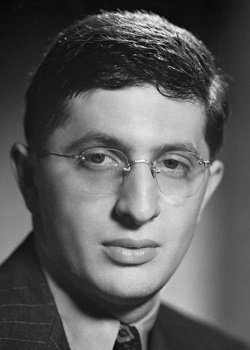
Bernard Herrmann’s selection as composer was intriguing as he had only once before acquainted himself in the traditional Americana genre with “All That Money Can Buy” in 1941. Yet just had he done with taking on the Oriental sensibilities of “Anna and the King of Siam”, he now took on this new frontier effort to espouse traditional Americana. He visited the set in the forests near Cumberland Kentucky to take in and be inspired by its natural beauty. Most unusual is that Herrmann departed from his usual style of succinct and repeating motific phrasing to embrace sumptuous melodic long-lined, Newmanesque writing for strings when portraying the verdant forest landscapes of the film. To capture the film’s arboreal beauty, he augmented his orchestra’s woodwind section with two flutes doubling on piccolos, two oboes and English horn, two clarinets, bass clarinet, and two bassoons.
 The architecture of his soundscape consisted of six themes. The Main Theme was conceived as a bold call to adventure, which propels Eli and his son on their quest for a new life in Texas. This questing theme is long lined and empowered with declarations by heraldic, unison French horns, answered with a reprise of two soli oboes before shifting to strings energico with woodwind adornment. Throughout the score Herrmann will use the opening fanfare declarations to remind us, and Elias, of the goal they seek. Little Eli Theme is found in cues titled “Daydreaming”, and support scenes where the boy dreams of the new life that awaits him in Texas. It offers a tender albeit, idyllic melody borne by solo clarinet tranquillo, draped with a retinue of warm violins and violi tenero. There are two romantic interests in Elias’s life, Susie and Hannah, however only Susie is provided a Love Theme as Hannah’s love is unrequited until the finale. For Susie, Herrmann graces with an elegant romanza by yearning violins d’amore, which shifts to a solo oboe tenero with strings romantico. As the romanza unfolds we are graced with sublime writing for strings and woodwinds.
In terms of secondary characters, Ziby Fletcher is a traveling conman salesman, a bullshitter who eloquently sells quack balms and medicines to the town folk. Herrmann provides him with a quirky theme expressed as a tête-à-tête between clarinets, oboe, and bassoon comici answered by forlorn clarinets. I am fascinated by how well conceived and executed this theme is in capturing the persona of this charlatan. Captain Pleasant Tuesday Babson is the pioneer master, recruiting people to join him in traveling to Texas for a new life, that promises miles of free land waiting to be settled and farmed. He and the River Queen paddlewheel steamboat are intrinsically linked as he has commissioned it to transport the pioneers. Their frenetic theme offers excitement, empowered by interplay between horns energico and woodwinds animato. For our villains, the aggrieved, avenging, and implacable Fromes brothers, Herrmann speaks to their menace by employing a diabolical tritone by strings malevoli, accented with sharp, violent, dagger like bow strikes. For whipmaster Stan Bodine, Herrmann employs a menacing, repeating four-note motif, where the declarative first three notes by horns and woodwinds malevoli are punctuated by the dire fourth-note. It is overtly evil in tone and portends the violence of his skin rending whip.
Herrmann also provides themes for travel and nature. There are two travel themes; Travel Theme I is spritely, and supports father, son and Faro beginning their trek to the promised land – Texas. It abounds with blissful delight and is borne by woodwinds animato with strings spiritoso. The woodwind rich Travel Theme II is also spritely; however, Herrmann is clearly imbuing it with Irish auras. The Forest Theme speaks to the pristine, arboreal beauty, and serenity of the forests, through which they journey. Herrmann graces us with serene beauty, offering a gorgeous pastorale by oboe, and strings tranquillo, replete with shimmering celeste, and adornment by harp arpeggios. Lastly, Herrmann infuses his soundscape with some folk songs such as “Possum Up a Gum Tree”, “Texas (Is the Land of Promise)” by Irving Gordon, the “The Kentucky Song” by Eddie Arnold, as well as to original piano source cues that support the ambiance of the steamboat’s gambling parlor.
“Prelude” reveals an expansive panorama of the pristine forests of Kentucky that stretch to the horizon, and serve as a backdrop to the roll of the gold script opening credits. We open with the Main Theme, a call to adventure, which propels Eli and his son on their quest for a new life. The theme is long lined and empowered with declarations by heraldic, unison French horns, answered with a reprise of two soli oboes, before shifting to strings energico with woodwind adornment. At 0:40 as Eli, his son and their dog Faro traverse a forest we shift to a spritely and playful Travel Theme 1 borne by woodwinds animato with strings spiritoso. We shift back to the vibrant Main Theme at 0:57 as we see the team crossing a shallow river. At 1:24 portentous horns declarations launch a foreboding ambiance with string-woodwind echoes as we see father and son eating by their campfire. Little Eli worries about trouble with the Fromes family, which Elias dismisses, saying that the goal is reaching Texas, not fighting the Fromeses. The next day in “The Stagecoach”, we see father and son resuming their trek with another spritely travel motif draped with subtle Irish auras. At 0:24 the Main Theme declared by French horns supports their arrival in the bustling town. At 0:44 the music darkens as we see the Sheriff and his dog observing the Wakefield arrival. His dog and Faro assume a fighting posture and at 0:54 a repeating four-note motif crowned by tense strings supports the Sheriff unleashing his dog, and a dog fight ensues. Faro wins, and we flow into “The Jail”. The Sheriff is aggrieved and when Eli provides his name, he is arrested to support an investigation of the death of Fromes family members by the Wakefield family. Herrmann supports the arrest with a grim descending motif of resignation as Elias is overcome by several men and thrust into jail as Hannah, an indentured servant, consoles young Eli.
“Daydreaming I” offers a wondrous score highlight. It reveals Hannah feeding a dejected young Eli. We see the boy immersed in a daydream and Herrmann speaks to his aspirations with his tender theme borne by solo clarinet tranquillo, draped with warm strings. He bonds with Hannah a relates the natural and wild beauty that they seek in Texas, and we see her drawn into his aspirations. At 0:25 the melody shifts to solo oboe tenero, then yearning violins, only to return to the clarinet for a comforting, warm blanket conclusion. The moment is shattered in “Decker” as her stern boss angrily slaps her for feeding the boy and talking back to him. He throws the boy’s food away, and orders her to serve the vittles. Muted horns of woe buttressed by and strings doloroso sow a bitter and dispirited musical narrative as she defiantly offers Eli more food. “The Fromes” reveals the family’s two surviving brothers arriving in town spoiling for revenge. The Sheriff is clearly frightened and tries to establish a bond with the men. He persuades them to forego assassinating Wakefield in jail as this would set them against the law. They accept his invitation for a drink and return to the saloon. Herrmann introduces their theme with repeating statement of a dire tritones by strings malevoli, with sharp, menacing, dagger like bow strikes.
“Trio” reveals Hannah and Little Eli bringing dinner to Elias. He is thankful and surprised when Little Eli asks if Hannah could accompany them to Texas. Hannah attempts to pour cold water on the idea, saying she is indentured to Decker, but we see in her eyes, her desire to go. Herrmann reprises and expands the melody of the yearning aspiration of the “Daydreaming I” cue, with a warmer and more heartfelt iteration borne by oboe tenero, a retinue of strings, and bass clarinet. She departs and we close grimly at 0:53 as she attends to the Sheriff, the Fromes brothers, and other patrons. In “The Key” the Sheriff makes an overture for an under the table payoff, the brothers decline and music enters with a now overtly threatening, and stabbing declarations of their theme by violas and two clarinets as they declare, they are good at waiting. Hannah surreptitiously removes the jail key from the Sheriff’s hanging coat and returns to the jail where she sets Elias free. “The Forest” offers a beautiful score highlight. We see father and son waking up from their forest bed. Elias motions his son to wake Hannah, who has joined them. Herrmann graces us with serene beauty, as a gorgeous pastorale by oboe, strings tranquillo, replete with celeste, and adornment by harp arpeggios unfolds. The rapture is shattered by the arrival of Faro, soon joined by the Sheriff and Decker. Elias manages to buy their release with a bribe using all their Texas money – $215.
“Morning And Night” offers yet another beautiful score highlight. We see the party (Elias, Little Eli, Hannah and Faro) traveling the backwoods of Kentucky. Led by French horns tranquillo, Herrmann entwines the Daydreaming and Forest melodies adorned by celeste and harp arpeggios and bathes us in arboreal serenity. At 1:25 we shift to strings tenero attended by a duet by flute and clarinet, which voice paternal love as we see Elias carrying his exhausted son. He sees Hannah is also exhausted and decides that they will bed down here for the night. He shares his aspirations for his son with Hannah, and when she tells him, he is a good man, we see the first spark of a nascent romance. “The Whip” reveals the party traversing a river on a rope ferry. The call of adventure resounds on the Main Theme borne by French horns to support the crossing. Slowly the theme sheds it bravado shifting to a softer, and warmer iteration borne by clarinet, bass clarinet, celli, bass, and a retinue of strings as they walk through town and reach the Wakefield Tobacco Company owned by Elias’ older brother Zack. They enter the tavern to ask where Zack resides and Elias accidentally interrupts a whip contest, eliciting the ire of Stan Bodine. Afterwards Elias declines Bodine’s offer to hire Hannah, and thanks him for disclosing where in town Zack lives.
“The House” reveals the party arriving at Zack’s house, which Herrmann supports with familial gentility borne by oboe tenero and soft strings. They are warmly welcomed by Zack and Sophie; however, things go south when Little Eli blares out that they bought Hannah’s freedom for $200, causing Sophie to utter with condescension, indentured. A now embarrassed Hannah diffuses the tension by agreeing to stay in a separate cottage. She storms out in “Hannah” with music drawing inspiration from the Forest Theme, yet in a new iteration as a feisty agitato, which slowly dissipates into a forlorn oboe lead diminuendo as father and son join her. At 0:23 strings romantico support her declaring that they both need to work to ensure that he and Little Eli reach Texas. She tells them to turn in as they need to begin working in the morning. The music again informs us that Hannah has feelings for Elias. “The Pearl” reveals Zack advising Sophie that he is going to leverage his little brother’s need of money for both their advantages, by training him to join he family business. Music enters in the morning as we see father and son on a flatbed boat at the river harvesting a catch of freshwater clams. Herrmann again sow the serenity of nature with a reprise of the Forest Theme adorned with harp arpeggios. At 0:40 Little Eli opens a large clam and discovers a huge glistening pearl, which he shows Elias. We shift to classic Herrmanesque motific writing as he sows a misterioso with a recurring descending two-note clarinet phrase answered by a three-note phrase by strings. Elias advises that they will barter the shells with his brother, making no mention of the pearl.
“The Bar” reveals Ziby Fletcher, a traveling conman salesman eloquently selling quack balms and medicines to the town folk. Music enters late in his sales pitch with an introduction to his quirky theme expressed as a tête-à-tête between clarinets, oboe, and bassoon comici answered by forlorn clarinets. “The Attic” reveals Elias querying Fletcher regarding the value of freshwater pearls. Fletcher advises that they are rare and collectibles, with President Monroe possessing an impressive collection. Elias departs and then Bodine and Fletcher mock him saying that he had bought the fake tale hook, line and sinker. Herrmann with cleverness, transposes Fletcher’s Theme with the clarinets comici now declaring, with the other woodwinds answering. At 0:31 Elias and Little Eli are composing a letter with the scene animated by a reprise of Fletcher’s comedic theme voiced by oboe and joined by contrapuntal clarinets and viola. They are called to come down and meet the dinner guests and we flow into “Miss Susie”, a romantic score highlight, and one of Herrmann’s most elegant compositions. Elias locks eyes with schoolteacher Miss Susie and we see he is clearly smitten. A tender romanza is voiced, expressed by yearning strings romantico. As they all take seats, the melody shifts at 0:31 to a solo oboe d’amore with strings romantico. As the romanza unfolds we are graced with sublime writing for strings and woodwinds, which leaves your reviewer wishing that there were more scores in Herrmann’s canon where he embraced Steineresque romantic beauty and eloquence such as this.
In (*) “Susie Entertains”, after dinner, Susie entertains the family by playing a classical piece on a spinet, which elicits applause. Little Eli, who is bored, issues a challenge for her to play the traditional folk song. “Possum Up a Gum Tree”, which to his surprise she plays festively as she sings the lyrics. This elicits the family to join in the merriment. A dejected Little Eli walks off as Susie accommodates a new song request, the romantic ballad “The Kentucky Song”. As she plays, they all sing, and Hannah hears the song as she walks to her cabin. She diverts to watch through the Wakefield window and we see in her eyes the pain of unrequited love as she realizes that she cannot compete with Susie for Elias’s affection. She enters the kitchen tells Little ELI she cannot stay, and offers a bottle of wine, compliments of Mr. Bodine. Later that night Elias finds Little Eli sulking in the bedroom, and the kid lets him have it, saying he should forget the school teacher, as it is supposed to be us and Hannah going to Texas. Tender strings joined by soft woodwinds express paternal love as Elias agrees to write the letter to President Monroe. “The Letter” reveals father and son walking to the post office to mail the letter. A strolling, and gentile rendering of melody from “The Attic” borne by flutes and contrapuntal clarinets and strings supports. At 0:22 the Bar Theme reprises on clarinets, oboe, and bassoon comici as father and son enter to drop off the letter.
“The Loafer” reveals the patrons making light of Eli’s letter to the president and a sardonic rendering of Fletcher’s Theme by woodwinds supports. As Elias assures Hannah that their hope for Texas may soon be realized triggers Bodine to spring a trap, with a signal that triggers all the bar patrons offering derisive, mocking laughter as they declare freshwater pearls have no value. Elias takes offence, grabs Fletcher, who persuades him to not beat him. He relents as Bodine grabs his whip and prepares to strike. We flow into “Anger” as Zack arrives. He diffuses the situation by admonishing Eli and then departing with him. Herrmann supports with a dire rendering of the Fletcher’s Theme, which ends with foreboding uncertainty on muted horns and clarinets as we see in Bodine’s eyes, that this has not yet been settled. “The School” reveals Little Eli encircled by his schoolmates who are all taunting him by yelling “President Pearl!” He pummels the boy Luke and the fight is broken up by Susie who orders the kids into the classroom. Aching strings triste support Susie comforting Little Eli. “Daydreaming II” reveals a discontent and tearful Little Eli staring out the school window, again lost in a daydream. Herrmann eloquently reprises a yearning Daydream Theme borne by a solo clarinet attended by a retinue of violins and violi tenero. The tranquil moment is shattered by the loud whistle blast of the arriving steamboat.
“The Steamboat” reveals Little Eli rushing headlong to the Humility town dock followed by his classmates. Elias also bolts, as his brother yells for him to come back. Music enters with a bold and frenetic musical narrative by the Steamboat Theme as we see the churning Texas bound steamboat paddling towards the dock. (*) “Texas (Is the Land of Promise)” reveals the steamboat gangway bridge being lowered and a troupe of black minstrels lining up on it. They launch into a banjo, tambourine and drum propelled choral rendering of the festive folk song. Next, Captain Pleasant Tuesday Babson comes and announces that he is going to Texas, and he solicits all those with brave hearts, ambitious hands, and a feeling of distance in their bones, to come and join him. He then welcomes everyone to come aboard and tour his ship and we flow into “Welcome Aboard”, which reprises the energetic Steamboat Theme. Later that night in “Supper” we see a contemplative Elias at dinner with Zack, Sophie and Little Eli. Texas is clearly in his mind’s eye and Zack realizes this. Herrmann supports the scene with a reprise of Fletcher’s Theme, where we discern the sadness of parting in the notes. “Nocturne” reveals Little Eli returning to school and Elias and Susie sharing an intimate moment. She tells him he should be proud of his son for standing his ground, and then invites him over for dinner. A yearning clarinet supports her invitation and the scene shifts to nighttime where woodwinds sereni unfold an exquisite nocturne. Herrmann has always excelled in writing nocturnes, and he adds yet another beautiful composition to his canon. Woodwinds and strings join and drape us with soothing auras as we see Hannah working at Bodine’s Still House, and carrying two new jugs to the storage shed. Dog barking elicits her to set them down and head off into the woods where we see Faro chasing a fox as father and son sleep by a fire. The tender father son moment is interrupted by Hannah’s arrival, which is warmly greeted. She stuns them saying she has the money to buy their tickets to Texas, but Eli is furious that she did so selling herself as an indentured servant to Bodine.
In “The Vigil” Eli demands she return the promissory note and money and angrily returns to town. A clarinet voices the Daydream Theme, which informs us that Elias sees no future without Hannah. At 0:31 we shift atop strings triste as we see a forlorn Susie, sitting at her set dinner table, apparently stood up by Elias. Yet at 1:04 the music brightens with hope as she hears a knock on the door as she is clearing the dishes. It is Elias, and the music darkens with disappointment when instead of apologizing, offers the lame excuse that he forgot, which elicits her ire. Yet, before he leaves, he does apologize, saying that he promised a night hunt to his boy after his sincere apology at school. As he walks away, we flow into “Confession”, a beautiful romantic score highlight. Susie calls on him to come back and he is thankful, and asks that after dinner would she play for him again? She steps towards him, and with beckoning eyes says gladly. He then takes her into a kissing embrace as all pretenses between them have been dropped. Herrmann graces with an elegant romanza by yearning violins d’amore as Eli and Susie affirm their love. I believe the music, more so than the acting, expresses the emotions of our two lovers.
In “River Queen”, the next day as Elias picks up his mail in the crowded saloon, everyone is stunned when he receives a letter from President Monroe. He takes the letter back to the attic where he and Little Eli prepare to open it, but are delayed when Zack arrives and informs him that he is sending him to up-river to Tennessee on business. After he departs, they open the letter, where a presidential aide explains that the President does not collect pearls, and that freshwater pearls have no commercial value. Sad string phrases support his disappointment as he admonishes himself for falling for Fletcher’s ruse. At 0:20 a spritely travel tune by woodwinds animato and horns propels the ‘River Queen’ up river. “Saloon Piano” reveals a dapperly dressed Elias and son entering the gambling room holding a money pouch labelled Pekin City Bank. This elicits a gambling shark and his moll to lure him to the rigged roulette wheel. He plays two small bets and they let him win, intent on reclaiming the $280 in gold he has won when he gets overconfident and decides to bet big. Herrmann supports with an original dance-like source cue for solo piano, which establishes a perfect ambiance. In “The Gamblers” Herrmann offers another original source cue by piano, which is more animated. Elias outwits the house by taking his earnings and declares he will be departing, much to their chagrin.
“The Captain” offers a reprise of the Steamboat Theme as the River Queen prepares to dock at Humility. The card shark orders the captain to bypass Humility and we flow into Scherzo” a fun score, slapstick highlight. Elias pummels his way out of the gambling parlor and a mad cap flee and pursuit unfolds as Elias, his son and Faro attempt to escape. They are chased up to the top deck and rather than be captured they leap into the Mississippi River, much to the delight of the cheering dock crowd. Herrmann propels the madcap scene with a delightful scherzo comici. Later, in an unscored scene Elias and Zack visit Bodine’s saloon in dapper attire and Elias buys a round for the house with Zack offering a toast to him, his younger brother, and now business partner. “The Boy And Dog” offers a tender interlude of Little Eli spending an intimate moment with his beloved Faro, who Sophie has ordered roped to a pole. Herrmann supports with a cantabile of strings tenero joined by swaying woodwinds. “The Drunk” reveals towns folk assembled for the annual Tobacco auction. There is merriment, dancing, drinking, and a folksy ambiance is created by a men’s quartet singing as Little Eli enters the town square. He runs up to Hannah and complains that Elias has given up on their Texas dreams. The score enters with dark menace as a drunk snaps his whip and bellows; “Who dares to crack a whip with me?” Dire horns enter as Bodine whips the jug out of the man’s hands, which elicits him to withdraw in fear. Bodine then grabs the boy Luke who gave Eli a shiner and foments a fight.
In “The Rope” Bodine lights the fuse that triggers the fight when Luke issues two challenges, forcing Eli to respond. Eli knocks him to the ground, and music enters with dire declarations as Bodine tosses Luke a rope whip and he begins using it to gain advantage. A diminuendo follows as Susie elicits a kiss from Elias and they discuss telling Little Eli of their plans. Tension surges as Elias is called to come out and discovers the fight. He disarms Luke and sees a whip lash on Little Eli’s face. He tells Bodine he has gone too far, which elicits him to adopt an attack posture with his whip. At 0:35 the dire three-note ostinato surges and explodes on an accelerando of violence. Elias is being whipped mercilessly and being unarmed, is no match. We flow into “The Wheel” and see Elias is near his end, bloodied and exhausted. As Bodine stands ready for a final lash, Hannah sees the whip end under her wagon and rolls a wheel over it, empowered by dire horns of vengeance. Elias charges and knocks Bodine to the ground. As he moves in to finish him, Bodine throws dirt in his eyes. With Elias temporarily blind, Bodine succeeds in pummeling him to the ground. All seems lost, but Elias summons his last strength, lands some devastating punches, and gains the upper hand. He stands Bodine up against a wagon and then delivers a devastating volley of crushing punches, which knock him out. We flow into “Victory” as the cheering crowd applaud their hero as Herrmann unleashes a paean of celebratory joy. We close with Captain Babson declaring to Hannah; “There’s a real Texas man!”
“The Reproach” offers one of the finest compositions in Herrmann’s canon, where he masterfully score’s the painful rupture between Elias and his son. It reveals Elias, Little Eli and Susie walking through the woods supported by a woodwind pastorale, but we discern sadness in the notes. At the hilltop they stop and tell Little Eli that they need to talk. A wistful clarinet leads a musical narrative of sadness and disappointment as Elias announces his plan to marry Susie, who will be his new mother. Little Eli is not receptive and looks away at the harbor when the steamboat whistle blows. The music descends into bitterness and heartache as Little Eli offers a painful rebuke to Elias, for tying up Faro up, giving up on their dreams, and lying, something he never did before in the past. Elias is hurt when Little Eli says, he hates him. In “Boyhood’s End” we flow into another score highlight with a poignant musical narrative. Elias affirms his decision to marry and stay and tells Little Eli to bury the horn (the emblem of their dream of Texas). Herrmann evokes the sadness of broken dreams and rupture of the father-son bond, with an eloquent, and very evocative passage borne by strings of regret joined by English horn and oboe triste as we see the dejected Little Eli walking away. In a cut away, Susie discloses that it was Hannah who saved the day by rolling the wagon wheel over Bodine’s whip, as she stood helpless. In many ways the music offers an elegy as he buries the horn, his dreams, and love for his father, while Susie realizes that marriage with Elias cannot go forward. Yet at 3:23, he turns and we flow into “The Boy’s Call” as Little Eli unburies the horn, summons all his strength and uses it to declare his manhood. A series of hunting horn declarations resound. Elias is stunned, yet proud, telling Susie, his son is now grown up and is a man.
In “Night Sounds” Faro hears the horn call, breaks his leash and runs to join Little Eli in the forest. As they wander the woods together, Herrmann supports with a rare departure into impressionism, which sow a foreboding sense of unease. They cross a pond and arrive at Bodine’s still. “The Still” reveals Little Eli knocking on the door calling for Hannah. Herrmann sow an elusive menace with a reprise of the Fromes Theme tritone emoted in a descending contour. To his surprise, Bodine opens the door, and with a wry smile, says he is entertaining friends of his. He opens the door and we close on dire muted trumpets, which support the Fromes brothers. In “Awaiting” they take in the boy and decide to hold him hostage in hopes of luring Elias. Herrmann sow unease texturally with eerie violins and violi with harp adornment. “The Rifle” reveals Elias and Captain Babson walking together in search of Little Eli. Babson exhorts Elias to realize a greater destiny in Texas, true to himself, rather than as a cheap imitation of his brother Zack. Music enters with French horn calls when he asks him, what does Little Eli want? At 0:11 the brothers spot two men approaching and their menacing theme swells. They order Bodine to get his gun and eliminate the Texan, and they will take care of Wakefield. We see Bodine regretting getting in bed with these two brothers. As he prepares to load his gun, the diabolical Fromes Theme with all its malevolence dominates.
In “The Body” Bodine refuses to be complicit in murder and says that he will not assist, which earns him a rifle butt strike to the head. The Fromes Theme swells with malevolence on dire horns, as one of the brothers smashes in Bodine’s skull and then declares to Hannah, that he killed himself. In “The Kill” the brothers tell Hannah if she remains inside, she will not be hurt, as they walk outside. Yet she is defiant and loads Bodine’s rifle instead. They yell for Texas to leave, but he instead draws his pistol and is shot dead. Then Hannah kills one brother and evades the other brother’s return fire. Music enters with a driving tension ostinato, which propels Elias as he charges across the pond to reach the surviving brother before he can reload. We flow into “Finale” with musical brutality as Elias crashes into the remaining brother as he fires and misses. The Fromes draws his knife, but Elias bludgeons him to death with the rifle butt. At 0:28 the music becomes tender as father and son are reunited in love. We blossom atop the Forest Theme as Elias calls to Hannah, and tells her to join them, as they are all going to Texas. We close with a last heartwarming reprise of the Main Theme, which supports, “The End”.
I commend, and am thankful for the efforts of Anna Bonn, John Morgan and William Stromberg to rerecord “The Kentuckian”, a Holy Grail of collectors, Golden Age classic, and Bernard Herrmann gem. The sound quality is excellent and the performance of the Moscow Symphony Orchestra under the baton of William Stromberg, masterful. This was Herrmann’s second and last foray into Americana, and what makes it so remarkable, and memorable, was how he again demonstrated his capacity to depart from his traditional succinct and repetitive motific compositional style, to embrace eloquent, long-lined, romantic writing characteristic of contemporaries Max Steiner and Alfred Newman. This film offered a tale of a father and son who aspired for a new life together in Texas – the promised land. Herrmann propelled the journey with a bold, questing Main Theme, which offered a call for adventure, joined by a number of incredibly lyrical melodic themes, which offered serene, pastoral, and idyllic beauty. The writing for woodwinds, whose section he expanded in the orchestra offers some of the finest in his canon, providing elegant set pieces, which offer pastorales, nocturnes, romanzas, and scherzos. The confluence of the journey, cinematography and music many times achieved sublimity, enhancing the film’s acting, narrative, and arboreal beauty in every way. Folks, this score, like “The Ghost and Mrs. Muir” leaves your reviewer wishing that there were more scores in Herrmann’s canon where he embraced Steineresque romantic beauty and lyrical eloquence. This album by Tribute Film Classics includes the score to “Williamsburg: The Story of a Patriot”. I highly recommend you purchase this quality album, and also take in the film to fully appreciate the extent that Herrmann’s music enhanced this film.
For those of you unfamiliar with the score, I have embedded a YouTube link to four and half minute suite: https://www.youtube.com/watch?v=vhgWQDSK3M4
Buy the Kentuckian soundtrack from the Movie Music UK Store
Track Listing:
- Prelude (1:50)
- The Stagecoach (1:18)
- The Jail (0:26)
- Daydreaming I (1:36)
- Decker (0:37)
- The Fromes (0:43)
- Trio (1:01)
- The Key (0:46)
- The Forest (1:12)
- Morning and Night (2:04)
- The Whip (0:42)
- The House (0:20)
- Hannah (0:55)
- The Pearl (1:21)
- The Bar (0:14)
- The Attic (0:59)
- Miss Susie (2:16)
- The Letter (0:57)
- The Loafer (0:25)
- Anger (0:18)
- The School (0:14)
- Daydreaming II (1:08)
- The Steamboat (1:03)
- Welcome Aboard (0:34)
- Supper (1:03)
- Nocturne (2:49)
- The Vigil (1:19)
- Confession (1:14)
- River Queen (0:36)
- Saloon Piano (1:47)
- The Gamblers (Piano) (0:33)
- The Captain (0:13)
- Scherzo (1:02)
- The Boy and Dog (0:44)
- The Drunk (0:33)
- The Rope (1:15)
- The Wheel (0:20)
- Victory (0:35)
- The Reproach (2:00)
- Boyhood’s End (3:42)
- The Boy’s Call (Horn) (0:17)
- Night Sounds (1:31)
- The Still (1:10)
- Awaiting (0:30)
- The Rifle (1:30)
- The Body (0:50)
- The Kill (0:13)
- Finale (1:27)
Tribute Film Classics TFC-1004 (1955/2008)
Running Time: 50 minutes 18 seconds
Music composed by Bernard Herrmann. Conducted by William Stromberg. Performed by the Moscow Symphony Orchestra. Original orchestrations by Bernard Herrmann. Recorded and mixed by Alexander Volkov. Score produced by Bernard Herrmann. Album produced by Anna Bonn, John Morgan and William Stromberg.

Shop at the Movie Music UK Store

Member of the

 MOVIE MUSIC UK