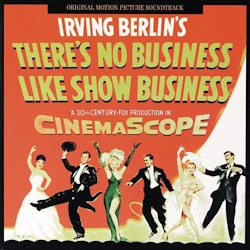
THERE’S NO BUSINESS LIKE SHOW BUSINESS – Irving Berlin, Alfred Newman, Lionel Newman
 GREATEST SCORES OF THE TWENTIETH CENTURY
Original Review by Craig Lysy
20th Century Fox wanted to showcase their bombshell star Marilyn Monroe in a musical. She was under suspension for violating her contract when she refused to star in the musical “The Girl In Pink Tights”. When they offered her the starring role again for There’s No Business Like Show Business she initially refused again, but eventually relented when she was promised a starring role in “The Seven Year Itch”, and her weekly salary raised to $3,000 a week. Sol Siegel was assigned production with a $4.3 million budget, Walter Lang was tasked with directing, and writers Phoebe and Henry Ephron would adapt Lamar Trotti’s story. A cast for the ages was assembled, with Marilyn Monroe starring as Victoria Parker, joined by Ethel Merman as Molly Donohue, Donald O’Connor as Tim Donohue, Dan Dailey as Terrence Donohue, Johnny Ray as Steve Donohue, and Mitzi Gaynor as Katie Donohue.
The film is set in New York City circa 1919 and follows the mercurial Vaudeville careers of husband-and-wife team Terrence and Molly Donohue. They eventually start a family, and their three children, Steve, Katie, and Tim, all eventually join the act, which is renamed The Five Donahues. Over time conflict causes Tim to abandon the act and become estranged to the family. Eventually, the family reconciles and reunite for a grand performance at the Hippodrome Theater. The film was a commercial failure, losing $950,000 due to delays in production, overly lavish musical numbers, and too long a running time at 117 minutes. Critical reception was very good, though, and the film received three Academy Award Nominations, including; Best Writing, Best Costume Design, and Best Music Scoring a Musical Picture.
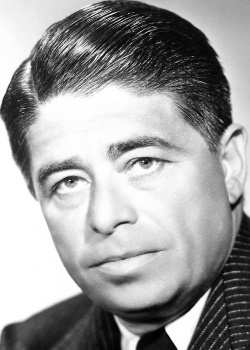
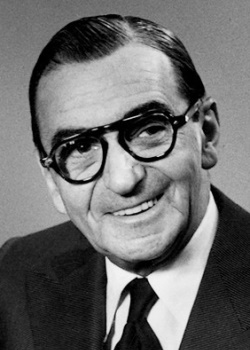 20th Century Fox once again turned to the iconic song writer Irving Berlin to empower the musical, paying him $600,000 for the use of his songs, including three new ones. As for musical direction, Alfred Newman was renowned for his gift of supporting musicals. As the Director of Music at 20th Century Fox he took on the project, sharing director and conducting duties with his brother Lionel. Alfred Newman was well acquainted with Irving Berlin having scored two prior musicals with him, Alexander’s Ragtime Band in 1938 and Call Me Madam in 1953. Once again, he would use his well-known gift for adapting the timeless melodies of Berlin’s songs, and enriching them orchestrally so as to create a seamless score, which unified the film’s musical narrative.
Seventeen songs by Irving Berlin were used in the film, including “There’s No Business Like Show Business”, “Remember”, “When the Midnight Choo-Choo Leaves for Alabam’”, “Play a Simple Melody”, “A Pretty Girl Is Like a Melody”, “You’d Be Surprised”, “Let’s Have Another Cup o’ Coffee”, “Alexander’s Ragtime Band” “Puttin’ on the Ritz”, “After You Get What You Want You Don’t Want It”, “If You Believe” “Heat Wave”, “A Man Chases a Girl”, “Cheek to Cheek”, “Lazy”, “A Sailor’s Not a Sailor”, and “Marie”.
For the score, three song melodies were utilized as leitmotifs that would weave together the film’s musical narrative. The titular song on a personal level is forever linked to Ethel Merman (Molly Donahue in the film). It is her immortal song for which she will forever be identified. Yet on the transpersonal level it supports the Donahue family, as Vaudeville performers. Carrying them through good times, and bad. “Alexander’s Ragtime Band” is the Donahue family anthem, their signature song, which began, sustained and finally ended their careers. It’s fun, energy and strutting happiness epitomized the joy they brought to their performances. “Remember” serves as a leitmotif for nostalgia, times when the family recalls better and precious times.
(*) “Logo” launches the 20th Century Fox studio logo with Alfred Newman’s iconic fanfare. Opening Titles” commences with the display of the film title and opening credits. It opens with mixed chorus singing the first line of the titular song – “There’s no business like show business like no business I know” – followed by an instrumental rendering of the penultimate line, which closes with chorus declaring “let’s go on with the show!!” At 0:16 we flow into the song melody of “A Pretty Girl Is Like A Melody rendered as aa valzer romantico. At 1:01 we close the opening credits with a vibrant choral reprise of three lines from the titular song – “There’s no business like show business like no business I know; yesterday they told you you would not go far, that night you open and there you are, next day on your dressing room they’ve hung a star, let’s go on with the show!!”
(*) “Remember” Script narration takes us back to Vaudeville 1919 and the story of the Donahue family. The wistful melody of Irving Berlin’s song “Remember” (1925) supports, sung by men’s chorus. We flow immediately into the energy packed “Midnight Choo Choo Leaves for Alabam’” as we see Terrence and Molly Donahue performing the song and dance number on stage. As they dance at 1:06 with Terrence in train engine costume and Molly in a caboose costume we shift to an instrumental rendering of the melody, replete with train whistles, which closes the act with one last lyric: “When the midnight choo choo leaves for Alabam!’”[ At 1:28 Tim replaces the stage sign “The Donahues” with a new sign, “The Three Donahues” and circus like encore music propels the introduction of the third Donahue the toddler Steve. (*) “1923” reveals a train churning along a track as 1923 displays, empowered by a locomotive rendering of the “Midnight Choo Choo Leaves for Alabam’” melody. We flow into their next act, “Play a Simple Melody”, which launches with Terrence playing a zesty piano energico intro. At 0:17 Molly yells stop! Then she begins singing the wistful song with her playful and good spirited vocal.
 At 2:09 Terrence replaces the stage sign “The Donahues” with a new sign, “The Four Donahues” and a reprise of the circus like encore music propels the introduction of the fourth Donahue the young girl Katie who joins her parents and brother Steve on stage. As they march proudly, Terrence changes the sign again to “The Five Donahues” and at 2:34 little Timmy is pulled on stage in a red wagon dressed as Uncle Sam and as US flags pop up in his wagon, trumpeting reveille joins as they all salute and exit the stage. In an unscored scene at the train station Molly argues with Terrence that this life is not good for the kids and that they need to settle down with her mother and get an education. They board the train to Scranton and we flow into (*) “Saint Michael’s” where narration by Molly says she won out and Terrence agreed to enroll the kids in a nice Catholic school in Boston. A pastorale supports as she goes on to say that without the kids, they needed to come up with a new act. A Billboard displays “The Donahues and Company – Romance and Rhythm”. Terrence says the “Company” was eight beautiful blondes, which Molly corrects, saying nine as she appears in blonde hair. We flow into “A Pretty Girl Is Like a Melody” sung by Molly center stage, as behind her Terrence escorts, one by one the other beautiful, and younger blondes down a grand staircase. Terrence reprises the stanza, with Molly offering clever counterpoint with some slapstick comedy. At 2:07 we shift to Terrence dancing with the song melody joined by angelic women’s voices as narration by Molly says Terrence was having too much fun, and that was the end of the blondes. We conclude the act with Terrence and Molly singing with angelic choral support, which culminates with a flourish.
(*) “Steve and Timmy Caught” reveals the two boys trying to escape the school at night with suitcases, only to be apprehended by a priest. In a scene shift, Terrence and Molly take post performance bows to the vibrant Circus Motif”, as he is handed a telegram back stage. He informs Molly that the kids are in trouble, and we shift to the Rector’s office. They are informed that the kids are not happy and would prefer to be with their parents. Molly relents and they take them to a new house they just bought in New Jersey. As they arrive the pastorale motif reprises, yet the music sours as narration supports newspaper headlines reveal the 1929 stock market crash. As people lost their jobs and society reeled, Vaudeville suffered, with Terrence relating that they were so desperate that they each set off on separate acts. We shift to a stage at the Brooks County Fair where Terrence performs (*) “You’d Be Surprised”, backed by four scantily clad women dancers. We shift scenes to Molly singing in a studio supporting Shelby’s Coffee singing as a limerick, (*) “Let’s Have Another Cup o’ Coffee”. In (*) “1937” we shift to a montage of stages across the country with billboards displaying “On The Stage, The Two Donahues” as Vaudeville began to rebound. A scrape book reveals the kids all grown up in 1937 as Molly relates, they made it to the big time at the Hippodrome in New York billed as “The Five Donahues”. A sentimental, string borne musical narrative carries the narration. We flow into “Alexander’s Ragtime Band” a wonderfully entertaining musical highlight. We open with silhouetted band members playing and strutting, offering a grand prelude, which launches the family’s stage entrance singing one of Berlin’s most confident, festive and iconic songs.
At 1:07 we shift to a new act, as a Bavarian dance troupe dances to a classic schuhplattler as Molly and Terrence reprise the song with a German accent. At 1:52 the song melody continues instrumentally while embracing the schuhplattler rhythm to empower Terrence’s dancing supported by a woman’s dance troupe. At 2:08 we shift to Molly ringing hand held bells flanked by the male dancers. She joins Terrence and conclude the act with “Alexander’s ragtime band!” At 2:33 we shift to the next act, now set in Scotland, with the dancers dancing the traditional Ceilidh, empowered by drums and bagpipes. Timmy takes center stage and sings Alexander’s Ragtime Band” with a Scottish accent supported by the Ceilidh’s melody. Afterwards he dances to the Ceilidh melody, which shifts to a marcia scozzese, crowned by once again proclaiming “Alexander’s Ragtime Band!” At 4:02 an accelerando propels us into the next act, now set in Paris. The music channeling a classic French cabaret Can-Can. At 4:34 Katie, takes center stage in a cabaret dress and begins singing in French and English “Alexander’s Ragtime Band” with a French accent. At 5:11 we shift to a spirited dance-like rendering of the song as Katie dances supported by the full dance troupe. At 6:04 trumpets resound and unveil Steve on an elevated stage playing a dramatic prelude on a grand piano. At 6:52 he abandons the piano and begins singing a jazz, big band rendering of the song. At 7:45 we launch into the finale where the entire family and dance troupe dance in formal clothes to a swing version of the song.
A coda of the song melody (not on the album) supports their post-performance bows and exit from the stage. As they prepare to go out for dinner, Steve stops by their dressing room and says he’ll be heading out first as he has some thinking to do. Molly tells Terrence that she thinks something has been off with him for a while. The theatre orchestra in the background playing Berlin’s “Cheek to Cheek” melody. (*) “Puttin’ on the Ritz” reveals everyone arriving at Gallagher nightclub, with its orchestra performing a spirited performance of the classic Berlin song. Later we shift to a slow dance melody, which plays under the dialogue. In “After You Get What You Want” the band leader announces the singing debut of Victoria Hoffman. An energetic big band prelude launches her very seductive song and dance performance, which arouses every man in the club.
 In (*) “Remember”, Steve comes home and drops a bombshell. He says that he is leaving the act to become a priest. Terrence is against this, and Molly is shocked, but slowly comes around. The next day they hold a party for “Father Steve Donahue” where all in attendance join in singing the wistful song rendered as a waltz. Steve then makes a surprise announcement that two very talented entertainers are going to perform and we launch into Tim and Katie reprising the unstoppable energy of “Midnight Choo Choo Leaves for Alabam’”. The crowd loves it and the small band playing in the living room offers festive support to their post-performance bows. Afterwards, Tim announces a new song specifically written for Steve, whom he calls up to sing. Steve begins singing the inspirational and optimistic “If You Believe”. With the refrain, he sits down at the piano at 0:53 and the song shifts to a more solemn iteration. At 1:57 the song resumes its Hallelujah energy, joined by chorus.
Narration announces the act traveling to sunny Florida, supported by the animated energy of the titular song melody. A billboard for the Tropical Room displays “The Four Donahues” and Vicki Parker”. When Tim goes to the band leader to deliver their music, he is reacquainted with Vicki. In “Heat Wave”, he sits back and watches her do a dry run of her act for tonight’s show with tropical auras and bongo drum rhythms empowering her seductive vocals. Tim interrupts the performance saying that she cannot use this song as they are already singing it. She is sad and understands that as the headliners, she has to yield. But Tim succumbs to her pouting and relents, telling her to continue with the number and that he and the family would find an alternative. That night “Heat Wave” opens the show with tropical energy and bongo rhythms propelling a troupe of male dancers paying homage to Vicki as she is brought in on a rolling cart for one of the most seductive performances in cinematic history. At 1:25 the act is driven instrumentally as Vicki and the men interact; at 2:41 we down shift and a sensual Vicki sings with a raw seductiveness. The performance ends with a torrent of bongo energy.
Later Tim and Vicki return from an Italian dinner. He makes repeated romantic overtures, including allusions to marriage, kids and show business performance, which she finds sweet and flattering. A strolling, instrumental rendering of Berlin’s song “Man Chases a Girls supports. After taking her to her room, and she acquiesces to a good night kiss, and then turns in. As he walks away, he begins singing with romantic playfulness what love struck men have felt for millennia. At 1:17 we shift to an instrumental iteration, which supports his dancing. At 2:10 we resume dramatically the instrumental version, which supports his animated and virtuoso dancing. At 2:55 he bangs his head with a bong and becomes dizzy as ethereal women’s voices descend upon him. Nine statues of women become alive and form a retinue as he dances, the song instrumental propelling him, while the ethereal wordless choir supports the women. He flees to the roof on a leaf ladder, and the women all sit on the steps as he dances energetically to a big band propelled song melody as the women return to their original statue form and he brings the acrobatic dance performance to a rousing end. The confluence of music and Donald O’Connor’s dance performance was astounding! The next day Tim and Katie break the news to Terrence and Molly; producer Lew Harris has offered them a contract to star with Vicki in his new production. It is a bittersweet moment as this will end the Donahue Four, but also propel the children’s careers.
Terrence and Molly wish them well and the scene shifts to New York where Tim, Katie and Vicki do a practice performance of “Lazy”. We open with instrumental nonchalance as Vicki hesitates to answer the prop phone. At 0:19 we launch energetically as Vicki answers and an animated musical narrative supports their dialogue. At 1:39 we flow into the song, sung languorously, yet also seductively by Vicki; at 3:11 a vibrant and energetic instrumental propels a dance interlude by Tim and Katie.
(*) “Steve’s Ordination” reveals him taking his vows to enter the priesthood supported by the solemn hymn “Veni Creator Spiritus” by Rabanus Maurus. Afterwards, Charlie Gibbs drop a bombshell, asking Steve to perform a marriage. When he asks whose? Charlie says his and Katie’s! Later in (*) “Tim and Vicki Quarrel”, Vicki stands Tim up on a date, delayed by fighting for hours for her creative vision with Harris and the head of wardrobe. A plaintive, and dispirited musical narrative unfolds using the “Remember” song melody as Tim resigns himself that Vicki is unattainable. When she finally joins and apologizes, he behaves ungentlemanly with bitterness, questioning her integrity. She is wounded and tells him to leave, which he does, with I believe thoughts of regret. We shift to next evening where the 45th Street Theater billboard reveals; “Opening Night VICKI PARKER in Manhattan Parade with Katie and Tim Donahue”. As Molly and Terrence depart, they receive a frantic call from Katie, who says Tim is at a local hospital injured. At the theater, Harris says he has to cut the number, but reluctantly agrees to Molly’s proposal for her to fill in for Tim, as she knows the part having practiced with Katie.
“Sailor’s Not a Sailor” launches the show opening with a fanfare propelled marica del circo as the curtain rises to reveal sailors marching on the dock. At 0:21 Molly and Katie belt out the playful and comedic song with a march-like cadence. At 2:41 an instrumental interlude supports Katie getting her tattoo, and then at 3:35 we rev up the instrumental energy as the stage fills with dancers, with the act concluding with “A sailor’s not a sailor ’til a sailor’s been tattooed!”
At the hospital Terrence and Tim have an argument over Tim letting everyone done. Tim’s harsh rebuke earns him a slap in the face with Terrence saying he would be fine if he never saw him again. The next day when Terrence brings Molly to visit, the nurse hands him them a letter in which he says goodbye. They are devastated and commence a missing person search with police and investigators again supported by the sadness of the Remember song melody. A lead takes them to a nightclub where a trio of men performing a jazzy sounding “Marie” led by a tenor saxophone.
In a scene shift we see a poster for “Manhattan Parade” in its 34th week. Vicki is caught in a rainstorm and waits under a store awning when Molly crosses her path. She spurns Vicki’s offer to share her cab and departs. At home Terrence is brooding and refuses Molly’s offer to see the show. He frets that he is going to find Tim, no matter what it takes. (*) “Tim Alone” reveals him walking the streets alone carried by the sad wistfulness of the Remember Theme. In his mind’s eye we see a montage of flashbacks of him performing through the years with mom and dad. (*) “Last Performance” reveals a theater billboard of the Hippodrome’s last performance. We open grandly and flow into a danza maestoso as seven couples gracefully dance ballet. The ballet music shift to the background as Molly arrives, and we shift to Vicki’s dressing room. Inside Katie tries to reconcile Molly and Vicki. Katie leaves the two alone as the melody of “Cheek To Cheek” now supports in the background. Steve joins them dressed in his Chaplin uniform as he intends to join in the performance tonight beacuse he is shipping out tomorrow. Vicki then departs, reassured by Molly that all will turn out well.
“There’s No Business Like Show Business” offers the film’s finest moment, achieving a breath-taking confluence with Ethel Memran’s vocal and Berlin’s music. It reveals Molly’s dramatic curtain call. She enters the dark stage illuminated by a spot light in a resplendent white gown to a rousing instrumental rendering of the opening bars of the titular song. She launches into cinematic immortality singing her signature song with a singular voice that will not again be duplicated. At this point Tim arrives side stage, where he is hugged by Steve and Katie. Steve calls and startles her as she turns to see Tim, briefly hesitating before declaring “Let’s go on with the show!”
She runs to him and as they lovingly embrace, a rousing instrumental reprise of the titular song supports. The reunion is completed when dad shows up and father and son embrace in a thankful hug. “Finale” reveals Molly’s curtain call to close the show. As she wipes away her tears, Terrence takes the stage. He declares that this is an emotional night for the family as this was the first theater the Five Donahues performed, and that they have reunited for one last performance. He announces that they will close the show with their signature song, “Alexander’s Ragtime Band”. They take the stage and line dance Berlin’s iconic celebratory and feel-good song with a stellar performance. They leave the stage and the curtain rises to show a packed stage of dancers in colorful outfits singing “There’s no business like show business”. At this point Vicki joins the Donahue Five who descends stairs to the main stage singing a final reprise of the titular song. At this point the troupe of colorful dancers join for a spectacular conclusion of the film!
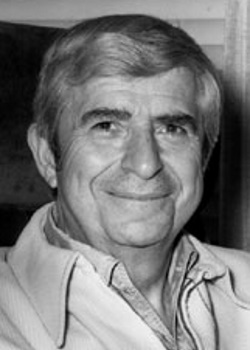
I commend the late Nick Redman for this wonderful reissue of “There’s No Business Like Show Business”, which contains songs not previously released. The digital mastering of the original stereophonic film sources offers good audio quality and an enjoyable listening experience. Irving Berlin along with George Cohan and George Gershwin were the iconic American song writing trio of the 20th century, who have passed unto legend. 20th Century Fox had mined Berlin’s song canon successfully in the past with “Alexander’s Ragtime Band” and “Call Me Madam”, and decided that “There’s No Business Like Show Business” would be their next winner. Fourteen iconic songs as well as three new songs were utilized, empowered by the powerful voice of the legendary Ethel Merman. This family film offered classic storytelling with Berlin’s songs bringing the characters to life supporting their wonderful song and dance performance. Masterful was how Alfred and Lionel Newman wove together these song and dance performances, and the interludes of family drama, into a seamless musical tapestry using three of Berlin’s iconic song melodies; one for the Donahue family, one for Molly, and one for Tim and scenes of nostalgia. Folks, I believe this musical warranted its Academy Award nomination for Best Scoring of a Musical Picture, with the Newman brothers largely responsible for maintaining the musical narrative’s cohesion and forward momentum. I highly recommend this wonderful album and also that you take in the entertaining and feel-good film.
For those of you unfamiliar with the score, I have embedded a YouTube link to Ethel Merman singing the titular song: https://www.youtube.com/watch?v=1a1TwHzqkV8
Buy the There’s No Business Like Show Business soundtrack from the Movie Music UK Store
Track Listing:
- Opening Titles (Chorus) (1:25)
- Midnight Choo Choo Leaves for Alabam’ (1:52)
- Play a Simple Melody (2:48)
- Pretty Girl Is Like a Melody (3:26)
- Alexander’s Ragtime Band (8:36)
- After You Get What You Want (3:55)
- If You Believe (3:17)
- Heat Wave (4:22)
- Man Chases a Girl (5:13)
- Lazy (5:24)
- Sailor’s Not a Sailor (4:39)
- There’s No Business Like Show Business (2:29)
- Finale (2:19)
- Play a Simple Melody (2:08)
- Play a Simple Melody (Mono LP Version). (2:40)
Varese Sarabande VSD-5912 (1955/1998)
Running Time: 54 minutes 33 seconds
Music composed by Alfred Newman. Conducted by Alfred Newman and Lionel Newman. Songs written by Irving Berlin. Orchestrations by Bernard Mayers, Edward B. Powell, Herbert Spencer and Earle Hagen. Recorded and mixed by XXXX. Score produced by Alfred Newman and Lionel Newman. Album produced by Nick Redman.

Shop at the Movie Music UK Store

Member of the

 MOVIE MUSIC UK