THE BLUE BIRD – Alfred Newman
 GREATEST SCORES OF THE TWENTIETH CENTURY
Original Review by Craig Lysy
Following the enormous success of The Wizard of Oz in 1939, Darryl F. Zanuck, the Vice-President of Production at 20th Century Fox, decided to cash in on the children’s fantasy genre to showcase their child star Shirley Temple. Film rights to the 1908 fantasy play “The Blue Bird” by Maurice Maeterlinck were purchased. Gene Markey was assigned production with a budget of $2.0 million, Walter Lang was tasked with directing, and Ernest Pascal was hired to write the screenplay. Heading the cast was megastar Shirley Temple as Mytyl, Spring Byington as Mummy Tyl, Nigel Bruce as Mr. Luxury, Gale Sondergaard as Tylette, Eddie Collins as Tylo, Sybil Jason as Angela Berlingot, Jessie Ralph as Fairy Berylune, Helen Ericson as Light, Johnny Russel as Tyltyl and Laura Hope Crews as Mrs. Luxury.
The film is set in Germany during the Napoleonic Wars circa 1806. Mytyl is a petulant and selfish daughter of a wood cutter. One day she finds a rare bird in the royal forest and to her parent’s dismay, refuses to gift it to her sick friend Angela. That evening, her father is ordered to report for military duty the following day. That night as Mytyl sleeps, she is visited in a dream by a fairy named Berylune who sends her and her brother Tyltyl on a search for the Blue Bird of Happiness. Berylune also magically transforms their dog Tylo, cat Tylette and lantern into human form. The children embark on a series of adventures, which serve to transform Mytyl into a kinder and gentler girl who has learned generosity and to appreciate her home and family. We end happily when a truce is declared, saving her father military duty, and Mytyl generously gives the rare bird, now revealed to be the Blue Bird of Happiness that she sought in her adventures, to Angela. The film was a catastrophic commercial failure as audiences found the idea of Shirley Temple playing a nasty character was contrary to her adorable image. The film shattered the veneer of her unimpeachable star power and essentially ended her career when the studio cancelled her contract. Critical reception was also unfavorable, although it did garner two Academy Award nominations, including; Best Special Effects and Best Cinematography.
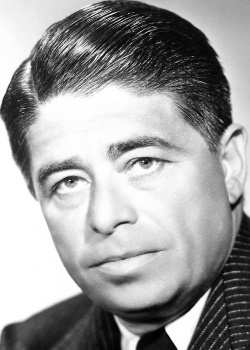 Daryl F. Zanuck and 20th Century Fox had long sought to recruit composer Alfred Newman. In 1940 he made him an offer he could not refuse, the post of Music Director of 20th Century Fox, which he accepted. “The Blue Bird” was his first assignment, a Zanuck passion project, and as he was coming on board late in production, he had the daunting task of having only ten days to compose the score, which included three songs. Newman composed the music and Walter Bullock provided the lyrics for two of the songs; “La-De-O” and Kingdom of the Future”. The third song, “Oh Come Little Children” was based on the German traditional Christmas carol, “Ihr Kinderlein Kommt”.
For his soundscape, Newman composed an amazing eighteen themes and motifs. There are five primary six primary themes. Since this is Mytyl’s story and she is provided two themes, which offer polarities of her personality. The waltz-like Good Mytyl Theme serves to support the noble, altruistic, and more positive aspects of her persona offering a tender and uplifting lullaby. It also has a transpersonal expression, serving as a quest theme for the Blue Bird. The Bad Mytyl Theme conversely speaks to the darker, impish, and selfish aspects of her persona, expressed by petulant strings. The string borne Family Theme supports the Tyl family and offers a calm, inviting, and comforting familial warmth. Angela’s Theme speaks to the sadness of her infirmity, which isolates her from other children. Newman offers melancholia, supporting with a solo violin delicato and a retinue of kindred strings tenero. Mytyl’s two pets each have themes, which speak to their animal stereotypes. The theme for Tylo, the sympathetic dog offers a lumbering and plodding albeit somewhat goofy construct, which endears him to us. Conversely the them for Tylette the sneaky black cat is quintessential feline, offering sinister sliding meow like string figures. The theme for the guide Light offers a truly beautiful, mystical piece for solo violin brillante, ethereal harp adornment and twinkling percussion.
For secondary character themes we have the lighter than air themes for our two birds. The theme for the elusive and coveted Bluebird, which emotes with the fluttering happiness of delicate bubbling woodwinds of delight. Kindred is the Bird Theme, which offers a most interesting impressionistic piece, which also incorporates fluttering and woodwinds delicato. The theme for the fairy Berylune’s offers magical misterioso of ethereal wonderment, borne by shimmering strings, twinkling harp glissandi with woodwind and horn adornment. The Father Oak Theme supports this King of the forest and offers powerful low register hunting horn fanfare. Wilhelm’s Theme support’s Papa’s friend who heralds war, and later a truce with strings of trepidation and a muted horn chorale militare. The theme for Lord and Lady Luxury supports their pretentious pomposity with faux horns reale and silliness. The theme for the Land of Luxury palace Footmen offers a delightful woodwind borne marcia pomposo. The Abraham Lincoln Theme speaks to the young man destined for greatness, who understands, yet dreads his destiny. His theme is voiced by strings nobile and a retinue of woodwinds maestoso. We discern undercurrents of sadness within the music as he knows powerful forces will ultimately destroy him. The Lover’s Theme supports the young couple in the land of unborn children, who do not wish to be separated. It offers a bittersweet romance for strings by violins d’Amore.
There are two themes for places, the Land of Memory Theme supports their entry into the graveyard – the realm of the past. It offers an eerie musical narrative full of foreboding with pervasive unease, and haunting wordless chorale. The Place of Luxury Theme offers a playful danza felice borne by sumptuous strings, bubbling woodwinds and horns comiche. Lastly, three songs are woven into the score’s tapestry; “Kingdom of the Future” by Alfred Newman, lyrics by Walter Bullock, “O Come Little Children”, Traditional, arranged by Edward B. Powell and Frank Tresselt, and “Lay Dee O”, by Alfred Newman, lyrics by Walter Bullock.
“Main Title” offers a score highlight where Newman masterfully sets the tone of the film. It opens with Newman’s 20th Century Fox fanfare (omitted on the album) to support the studio logo. We flow into a shimmering, resplendent and youthfully vibrant statement of the “Kingdom of the Future” song melody, which supports the book page turning of the opening credits. At 0:25 we segue into The Good Mytyl Theme offered as a tender and waltz-like lullaby, which closes with choir. “The Royal Forest” opens with horns reale and a sign reading; “No Trespassing by Order of King Rudolph IV”. We see Mytyl and Tyltyl strolling through the forest supported by a her Good Mytyl Theme rendered by sumptuous strings in idyllic strolling form. Arboreal horns, shimmering metallic effervescence and a fluttering choir of woodwinds emote the impressionistic Bird Theme to support their discovery of a brown bird, and laying of a trap. She captures the bird and secures it in the box trap, but at 1:22 horns reale resound as the Royal Forester arrives and gives chase. As the children flee, Newman propels them with a youthful scherzo animato. They escape and return to town at 1:32 carried by a gentile strolling rendering of her Good Mytyl Theme. At 1:15 a violin delicato leads kindred strings tenero emoting Angela’s Theme as we see the invalid child captivated by Mytyl’s bird. A sad musical narrative led by an exquisite solo violin triste unfolds as Mytyl refuses to gift the bird, or accept a trade of her doll Katrina. Angela’s miffed mother arrives but closes the window pane saying Mytyl would never give anyone, anything as we close on twinkling xylophone.
In “Selfish Mytyl” Angela’s mother’s insult rolls of Mytyl’s back like water and she and Tyltyl head home carried by her petulant Bad Mytyl Theme. Its evening when they pass by a grand Christmas celebration at the home of an aristocrat. We segue at 0:19 into “Come O Children One and All” with a joyous boys’ choir rendering of the Christmas carol “O Come Little Children”. The footman notices them and warmly offers them some Christmas cookies, but is rebuffed by the prideful Mytyl who retorts that they are poor, but not beggars! They depart in a huff and arrive home at 1:11 in “Returning Home with the Bird” supported by a wonderful extended dance-like exposition of the strings and woodwinds borne Family Theme, which comforts us with tenderness, and familial warmth. Mytyl’s father gently reminds her that she arrived home late and at night. Mytyl deflects with an alibi that she was forced to stop to see the ailing Angela. At 2:19 warm French horns solenne support the family saying grace before supper. The Family Theme resumes as Mytyl removes their salivating cat Tylette from her bird cage. Her mother scolds Mytyl for being selfish after she relates how she refused to gift her bird to Angela. The theme darkens at 3:24 as Mytyl pouts, complaining about they being poor all the time. He father says she should count her blessings, but she’ll have none of it and at 3:34 strings energico emote her Bad Mytyl Theme as a scherzo as she continues to bitterly complain, which earns a scolding from both parents. Newman brilliantly joins pouting petulance, playfulness and comedy with the scherzo animato. At 4:33 the music becomes foreboding atop ominous horns as papa answers a knock on the door. His friend Wilhelm enters and delivers grim news that a general mobilization has been ordered to fight Napoleon’s invading French army. Newman supports with dark chords, which usher in Wilhelm’s Theme borne by strings of trepidation and muted trumpets militare. At 4:49 horns full of confidence offer a martial musical narrative of hope, which supports Wilhelm’s declaration that they will beat them back. He departs, and at 5:20 grim bass support mama’s dreadful utterance of war. The consoling Family Theme returns at 5:29 when the children run to papa and Mytyl asks why people make war. He answers, due to greed, selfishness, and because people are not content with what they have. He consoles her with a hug and the theme warms on strings tenero as they return to finish their supper. At 6:09 papa asks for more stew as they will not have such good food in the army. The theme becomes plaintive and aching as a tearful mama gets him seconds. Later in her bedroom, Mytyl apologizes to mama for her behavior. At 6:41 Mama consoles her tenderly supported by the familial love of the Family Theme.
“Awaking in Technicolor” reveals Mytyl and Tyltyl awakened and startled the next day by knocking on their bedroom door. (A technical note: the film, which commenced in black and white, is now presented in technicolor.) Newman supports with impressionism, offering an eerie, shimmering, ethereal misterioso draped with harp glissandi. They get up and scurry to the door. Musical wonderment ushers in the shimmering and magical Berylune’s Theme, which accompanies the door opening to reveal an old woman who declares that she is the fairy Berylune. At 1:21 an ascent motif with cascading harp glissandi support Berylune using her magic cane to light their oil lamp. Woodwinds tenero joined by warm French horns support her exhorting them to get dressed so they can find the Blue Bird of happiness. At 1:42 the happy and uplifting Bluebird Theme joins with trilling woodwinds and fluttering effervescence. Berylune grows impatient, waves her cane and at 2:15 shimmering refulgence supports the children being magically clothed. Bubbling woodwinds offer a sense of wonderment as the children are amazed. A tender Good Mytyl’s Theme joins at 2:37 as they prepare to depart. They are afraid to go alone so Berylune says to take Tylo and Tylette, both supported by quotes of their themes; Tylo at 3:01 with playful, lumbering woodwinds, and Tylette at 3:05 with meow-like string figures.
Berylune commands them to wake up, and we segue at 3:11 into “Tylo and Tylette on Two Legs” atop a trilling woodwind ascent joined by a comic rendering of Tylo’s Theme as we see him transformed into a portly man. Playfulness unfolds as he runs to the kids and marvels that he can talk. At 4:01 trumpets resound as Berylune wakes and transforms Tylette into a women clad in a black gown with a red bow, and white lace and gloves. Her feline theme supports, joined by Mytyl’s Good Theme as Berylune exhorts them to depart. Yet Tylo counsels Mytyl against taking the sneaky Tylette, his lumbering theme countered by her indignation. Bubbling woodwinds of delight support their preparation to depart, but Mytyl is afraid of the dark, so Berylune creates Light, a beautiful young woman clad in a white gown with gold trim. Her ethereal theme is borne by solo violin mistico draped with harp glissandi. She joins them and offers to be their guide, and Tylette’s feline theme supports her welcome. Mytyl has no idea where to search until Berylune declares – search in the past.
We segue at 4:24 into “Search for the Blue Bird”, a wondrous score highlight where we are graced by an exquisite exposition of Light’s string borne theme as she leads their departure. The Good Mytyl Theme joins as Berylune exhorts them to find the Blue Bird. Tylette pulls Tylo aside and entreats him to not support finding the Blue Bird, saying that in their now human forms they are at last free. He refuses, saying humans are our masters and we must obey. Newman supports at 4:55 with a tête-à-tête of their two themes. At 5:11 the shimmering radiance of Light’s Theme borne by solo violin brillante with harp glissandi adornment supports their arrival at the entrance to a graveyard, a portal to the past. Trepidation enters at 7:05 when Light advises that she can go no further, which causes Tylo and Tylette unsettled themes to join. At 7:55 the radiant Light’s Theme resumes as she counsels that it is midnight and that they have but an hour to find the Blue Bird and return lest they be trapped in the past forever. The Good Mytyl’s Theme joins at 8:29 in exquisite interplay until 9:13 when a dark chord supports Light vanishing. A foreboding musical narrative supports Mytyl leading them through the entry portal into the graveyard, the Land of Memories.
We flow seamlessly into “In the Graveyard” where we see the four walking among the tombstones. Newman sow the eerie Land of Memories Theme replete with haunting wordless women’s voices. At 0:59 comedic silliness joins as a panicked Tylo stumbles into an open grave and then flees in terror. Tylette’s Theme joins as she mocks their “brave protector”. Tylette then stokes fear by saying that midnight is when all he graves open up. She then runs away saying for them to follow, and Newman resumes his eerie Land of Memories Theme replete with haunting wordless women’s voices. At 2:56 we segue into a women’s choral sustain, which supports the bell tower chiming the twelve strikes of midnight as Tyltyl cowers in Mytyl’s arms.
In “There Are No Dead People” an uplifting rendering of her Good Mytyl Theme supports as Mytyl reassures Tyltyl, and tells him to open his eyes and look around as there are no dead people. At 0:31 we segue into “Granny and Grandpa” atop an ethereal women’s choir sustain as Mytyl discovers Granny and Grandpa’s graves. They both wish that they were here with them. The music slowly brightens, and they appear magically joined by a thankful Good Mytyl’s Theme. As the run to them, the familial warmth of the Family Theme carries them into their loving embrace, and entwines with a resplendent Good Mytyl’s Theme abounding with happiness. Granny counsels Mytyl that as long as she continues to remember them, they will never truly be dead. At 2:39 a delightful and playful musical narrative support Grandpa taking Tyltyl to his workshop, with quotes of Tylette’s Theme as she peers unseen. At 3:12 playful strings felice and xylophone support a clock displaying twenty past midnight as they sit down. Mytyl explains that they have to find the Blue Bird, and Granny says she believes she has one. She takes Mytyl to her aviary carried by her Good Mytyl Theme, which joins with twinkling, and fluttering Bird Theme as we see many brightly colored birds. Yet the music at 3:12 sours as Mytyl cannot find the Blue Bird. At 4:35 Mytyl’s Good Theme carries her to retrieve Tyltyl as she tells Granny she must retrieve the Blue Bird.
“Lay-De-O” reveals Grandpa showing his carved figurines. He turns one on, which plays the happy-go-lucky yodeling song melody for “Lay-De-O” and Mytyl joins to sing the words (sung by Shirley Temple). In “Leaving Granny and Grandpa” Mytyl realizes that they are running out of time and have to leave. They hug and say their goodbyes, which Newman supports with interplay of the Good Mytl’s and Family Themes. The kids then run off to find the Blue Bird and Granny and Grandpa return to their bench, thankful that they still remember them. We close with tender, but sad sentimentality as she rests her head on his shoulder, the light fades, and they disappear. (*) “Reunion” reveals Light waiting in the forest with Tylo and Tylette supported by a shimmering and refulgent Light’s Theme. Tylo frets that the kids must be lost as Tylette taunts him, supported by her mischievous theme. French horns declare the Good Mytyl fanfare when Light sees the kids appear and they run happily to join. Mytyl is distraught that she cannot find the Blue Bird and Tylette’s snarky Theme voices her satisfaction. A hopeful Good Mytyl’s Theme joins as Light offers sympathy, while Tylette suggests visiting the Land of Luxury. Tylette gives directions, and Mytyl asks Light if she will wait for them. Light’s Theme supports her saying yes, but counselling not to stay long. They then depart carried by Tylette’s meowing feline theme.
“The Land of Luxury” reveals the four entering the palatial grandeur of the Land of Luxury supported by the opulent splendor of its theme. They ring the doorbell, ask for an audience, and are escorted in. At 0:44 the Footman’s Theme rendered by woodwinds as a marcia pomposo carries their walk through the ornate palace to the main hall, where they are instructed to wait. At 1:31 faux trumpets reale resound as the Lord and Lady Luxury enter, joined by ominous strings as the look down on the party. At 1:43 a sliding descent motif carries their descent, with both sliding down a divided staircase banister. A silly and pompous Lord and Lady Luxury Theme supports introductions, the Lord offers food and merriment, and the Lady offers luxurious clothes. At 1:47 a playful Tylo’s Theme animated by spritely strings supports Tylo joining, his departure to his quarters at the kennels, and the couple escorting Mytyl, Tyltyl and Tylette up the stairs. At 3:15 a fluttering flute comico joined by his lumbering theme supports an interlude of Tylo accepting his fate to end up – in the dog house! We close with the silliness of the Lord and Lady Luxury Theme as the three are shown to their rooms. “Carousel in the Foyer” reveals Mytyl riding a revolving carousel is a beautiful blue dress. Newman supports with rotating carnivalesque music. “Fighting Over the Horse” reveals Tylty mounting a pony in he courtyard. However, Mytyl is jealous, orders the carousel stopped, gets off and runs to the courtyard. She demands Tyltyl get off as it is her pony. He refuses, they argue, and then Mytyl pulls him off to the ground as Tylette watches with satisfaction. Newman supports their fight with the Land of Luxury Theme rendered as a scherzando energico.
Later in “Fed Up with the Land of Luxury” Mytyl cries in her luxurious bedroom supported by a plaintive rendering of her Good Mytyl Theme. She leaves carried by her sad theme and goes to visit Lord Luxury who is imbibing a brandy and resting his foot, which is plagued by gout. At 0:56 horns declare his theme as he orders her to return to her bedroom. A sad rendering of her theme supports his refusal to read to her. At 2:22 his grudging accommodation for her to kiss him good night results in pinching his sore leg and he orders her out supported by an angry musical narrative. At 2:30 a sad rendering of Tylo’s Theme supports his being shunned by the other dogs in the kennel who refuse to play with him. Mytyl visits him and and we are graced by an exquisite extended rendering of her sad theme. She tells Tylo that she is unhappy here despite the wealth of the Luxury palace and would rather be home with her poor, though loving parents. At 3:40 horns of determination support Tylo’s organizing their escape. At 3:53 Mytyl’s Good Theme emoted by weeping strings support Tyltyl crying in his bed. Mytyl and Tylo join him and Mytyl apologizes. As Tyltyl runs to get dressed, Tylette enters at 4:36 with her sinister theme as she is unhappy that they plan to leave. She agrees to join them, and as they sneak out Newman sow suspense.
“Escape” offers a score highlight of fun propelled by a madcap romp of frenetic silliness. It reveals Tylette purposely knocking over a large sculpture, which crashes to the floor below, and awakens the staff. Racing strings energico and woodwinds animato propel the four’s escape as the Lord enters at 0:33 supported by plodding horns pomposo and orders his staff to find the missing children. Newman unleashes a frantic-comic and farcical musical narrative, which is highly entertaining, propelled at 0:42 by a flight motif. The four led by Tylo leave their hideout behind some large curtains and flee the palace. A sliding descent motif at 0:42 supports Tylo sliding down the banister followed by sliding mayhem as he careens on the landing pillow across the floor wreaking havoc in his wake! He crashes at 0:59 and a dizziness motif supports him staggering after he crashes into a piano. The flight and pursuit resume with a madcap romp of orchestral silliness. At 1:31 they escape and the Lord orders the pursuit stopped, supported by a reprise of the Luxury Theme as he grudgingly admires their escape, confiding to his wife that they are just too old to escape. “Return to “Light” reveals the four walking a country road supported by idyllic oboe led woodwinds and harp glissandi, that are joined by the shimmering violins brillante of Light’s Theme as they reunite. A soothing passage unfolds as she counsels, they rest and not to fret that the Blue Bird still eludes them. At 0:43 Tylette’s meowing theme supports Tylo’s castigation of her for deliberately trying to sabotage their escape. Mytyl breaks up the argument, and we close on a somnolent rendering of Light’s Theme as she tells the four to sleep until she returns to wake them.
“Tylette Summons the Trees” reveals everyone sleeping except Tylette, who sneaks off supported by her sinister theme. At 0:07 harp glissandi join her theme to support her approach and callout to Father Oak, a massive tree that stands before her. At 0:25 the old man emerges from the hollowed-out tree trunk supported by the grandiose hunting horns declarations of his theme. A comedic musical narrative unfolds, entwined with her sinister theme. Father Oak is almost deaf and Tylette needs to shout as she insists, he summon the other trees of the forest. At 0:52 the music darkens as she portends that world will come to an end. The hunting horns of his theme resound at 0:59 as he summons his kindred trees. They approach and gather carried by playful woodwinds, buttressed by horns, which join with his plodding theme. At 1:36 a diminuendo takes Father Oak to Weeping Willow, who is weeping, supported by sad strings of woe. He cannot assuage her, so he abandons her to return to his fellow trees carried by his theme. Tylette, supported by her sinister theme, foments fear saying that children of your enemy the woodcutter will soon arrive in search of the Blue Bird. At 2:06 their two themes join in a malevolent synergy as she encourages them to attack and frighten the children, but Father Oak empowered by his theme declares instead that they must destroy them as they have done to us for centuries. At 2:40 his theme transforms into a horn empowered marcia militare as he mobilizes his trees for an attack. At 3:20 Tylette’s Theme with echoes of Father Oak’s Theme supports her leading the others into the forest to the great oak tree. At 4:05 the music darkens joined by eerie women’s choir, and Father Oak’s fanfare, evolving into a tempest as storm winds and thunder rise up. They take shelter in the oak tree, with a whipping motif at 4:29 supporting a tree branch whipping Tylo on the ground. A descent motif supports his rescue as they enter the tree.
At 4:50 we segue into “Forest Fire” the score’s greatest action piece, where Newman unleashes an orchestral maelstrom. A lightning strike sets the oak tree on fire, forcing them to flee. Newman offers a menacing tempest, a crescendo of violence as massive trees fall one after another due to the winds as Tylette leads them deeper into the forest. Additional lightning strikes cause a forest fire, a massive conflagration that traps and consumes Tylette. Flight music supports a musical narrative of terror as the three runs for their lives. The music surges with increasing urgency as the see a lake in the distance. At 7:24 a desperate Good Mytyl Theme carries their dash to a boat at lake’s edge as massive trees on fire crash to the ground around them. “Boat to Safety” offers a wondrous magical score highlight. They board and Tylo rows them to safety. They arrive at the opposite shore and find Light, greeted by the shimmering solo violin brillante and kindred strings of her theme. She welcomes them and at 0:29 an oboe triste supports their grieving for Tylette, rebuked by Tylo’s Theme as he says she got what she deserved. At 0:51 a Good Mytyl’s Theme full of longing supports Mytyl’s discouragement over not finding the Blue Bird. Light says that they have yet to search in the future and agrees to take the kids there. Tylo however remains as he is too tired to join. We discern a kernel of hope in Mytyl’s Theme, which brightens as they depart.
At 1:28 we segue into “The Land of Unborn Children” a delightful and loving score highlight. The kids are carried by the shimmering effervescence of Light’s Theme as they ascend countless stairs amidst snowcapped mountain tops. Light bids them to go on as they will not need her, saying to call for her when ready to depart. The kids continue their ascent carried by a hopeful Mytyl’s Theme joined by ethereal wordless women’s voices and twinkling effervescence. They at last arrive to a beautiful columnated poolside courtyard at 1:57 supported by idyllic woodwinds, ethereal wordless women’s voices and twinkling effervescence. At 2:26 a playful danza felice rendering of Mytyl’s theme supports their entry and the spirited play of many children. At 3:15 her theme shifts to woodwinds delicato as several kids rise to greet these “alive kids”. An extended, tender musical narrative unfolds upon Mytyl’s Theme as the kids relate that they are unborn and waiting to be born into loving families. One girl runs up calling Mytyl and Tyltyl by names, saying she will soon be their baby sister. They are happy, hug and Mytyl says she looks forward to her birth. (*) “The Workroom” reveals Mytyk and Tyltyl walking around the work room taking in the wondrous sight of children working on various projects. Newman supports with delightful rendering of Mytyl’s Theme by spritely strings abounding with youthful energy. They come across an older boy who relates he will soon be born to fight injustice. Newman supports with Abraham Lincoln’s Theme, voiced by strings nobile and a retinue of woodwinds. We discern undercurrents of sadness within the music as he relates that his opponents will eventually destroy me. Fanfare dramatico resound and support the opening of two enormous doors.
We flow into “Father Time” as Father Time enters to commence another trip to Earth with unborn children on his heavenly schooner. As he arrives, Newman supports with music abounding with ethereal magnificence and splendor. At 0:33 sumptuous strings offer a nautical motif as the resplendent schooner with silver sails arrives. At 0:45 we segue into “The Children are Born” as twinkling metallic effervescence carries the run of several children. Strings tenero joined by woodwinds delicato support the court herald summoning children for the voyage by their names. Bubbling woodwinds of delight join at 1:23 when Bruünig is called and happily runs to the ship. Aching strings tristi follow as a young girl who desperately wants to go weeps and is comforted by Mytyl. At 2:15 a paean of joy takes flight on Mytyl’s Theme as the girl’s name is called and she happily runs to the schooner. We shift to a playful musical narrative as many more children are called and happily run to the schooner. At 3:32 strings d’Amore offer an aching romance for strings, which support a young couple embracing. He refuses to go as they are in love, adding that when she is finally born it will be too late as he will be old. Father Time is stern, unrelenting and drags the boy away as the girl collapses and weeps. At 4:54 Lincoln’s Theme supports Father Time insisting that the hesitant lad come aboard. At 5:15 a warm oboe and strings tenero support Mytyl wishing the young Lincoln good luck. We end with ethereal harp arpeggios and warm sumptuous strings as the final child boards and they all wave goodbye as the schooner departs. We close with children’s choir singing the aspirational song, “Kingdom of the Future”, which ends in a flourish as they disappear into the clouds.
“Returning Home” reveals Light returning the children and Tylo home supported by a warm and welcoming Family Theme. Light advises that they tell Berylune the truth, that they tried their best, but could not find the Blue Bird. They ask Light to join them, but she declines, with her shimmering theme joining at 1:05 when she says that she will always be with them; “where ever light shines, in every moonbeam, every star that shines, in every dawn that rises, and every lamp that is lit”. Her theme dissipates as she walks away and vanishes in sunset light. We close with hunting horns as the kids arrive home.
“Waking Up” reveals mama waking up Mytyl and Tyltyl. They are happy and Mytyl’s happy theme supports a group hug. They relate to mama how they saw Granny and Grandpa, which flummoxes her as papa joins them. Her theme joins with the Family Theme as they are happy for the family to be reunited. At 1:20 the music darkens as the bugles militare of Wilhelm’s Theme supports his knock on the cottage door. His theme transforms to a maestoso rendering of his theme as he relates that a truce has been signed! He wishes them Merry Christmas and departs. The family is overjoyed that papa does not have to go to war and happiness joins with familial warmth as Mytyl’s and the Family Theme entwine. At 2:14 the lumbering Tylo’s Theme joins as he comes to papa’s lap. Mytyl relates that he is a brave dog that saved them from the fire, but the mean Tylette was consumed by it. When papa points to Tylette who is lapping up milk, her theme joins at 2:36. Mytyl reasons that cats have nine lives, which is why she survived. Tyltyl is not as forgiving and orders Tylo empowered by his theme, to get her and he chases Tylette out the door. At 2:59 we resume a warm rendering of the Family Theme as mama calls the family to breakfast. Mama then relates that papa made a new cage for your bird and at 3:25 horns usher in the fluttering and bubbling woodwinds of the Blue Bird Theme as she sees that her brown bird is now bright blue! At 3:42 Mytyl is amazed, grabs the bird cage and runs off carried by her happy theme. She gifts the bird to Angela wo is miraculously healed eliciting great joy by her mother. Mytyl lets Angela hold the bird, but it escapes and flies away. A warm, comforting and supremely satisfying rendering of Mytyl’s Theme supports as she consoles Angela. Mytyl informs Angela that they can always recapture the bird, saying we now know where to look for it, as she turns to the camera and says “Don’t we.” At 5:06 we flow into “Finale” atop a coda of Mytyl’s Theme, which ends with a sparkling flourish. “End Cast” offers Mytyl’s Theme rendered as a valzer aggraziato.
I would like to thank Ray Faiola, Craig Spaulding and Nick Redman for issuing Alfred Newman’s masterpiece “The Blue Bird”. The score was restored from the original nitrate optical scoring sessions with only two cues omitted. Digital mastering and restoration by Ray Faiola were largely successful, however some audio imperfections are heard. Never the less, I believe Newman’s genius shines through! This score is precious to me in that it is the only children’s fantasy film Newman would score in his career. The film was a box office disaster, which ended Shirley Temple’s career. Yet the film’s redeeming grace was that Newman composed one of the finest fantasy scores of the Golden Age. A multiplicity of eighteen themes and motifs were composed, which captured the magic, mystery, grandeur and child-like wonderment of the story. Our little Mytly evolves from an ungrateful, selfish, petulant little girl to a compassionate, considerate and noble heroine. Newman composed two themes for her, one good, and one bad, which early in the film contested. Yet over the course of the film, as Mytyl evolves, the bad theme vanishes with the good theme gaining ascendency and blossoming. The score’s many playful-comic themes were perfectly attuned to make the film fun and enjoyable for both children and adults alike. In scene after scene Newman’s music enhanced the film’s narrative, and gave the story heart, endearing us to the many characters, and creating the magic and wonderment of the various settings. Folks, this is an early career Newman gem, which was denied an Oscar nomination because the film bombed at the box office. For me the score is a Holy Grail. I highly recommend you purchase the album for your collection, and take in the film as well, which is available on streaming services as you will see how the power of music can almost save a flawed film.
For those of you unfamiliar with the score, I have embedded a YouTube link to a 15-minute suite; https://www.youtube.com/watch?v=ve6tbYKHhvg
Buy the Blue Bird soundtrack from the Movie Music UK Store
Track Listing:
- Main Title (1:17)
- The Royal Forest (3:19)
- Selfish Mytyl/Come O Children One And All/Returning Home With The Bird (7:32)
- Awaking In Technicolor/Tylo and Tylette On Two Legs/Search For The Blue Bird (10:04)
- In The Graveyard (3:44)
- There Are No Dead People/Granny and Grandpa (1:29)
- Lay-De-O (1:00)
- Leaving Granny And Grandpa (1:29)
- The Land Of Luxury (4:44)
- Carousel In The Foyer (0:40)
- Fighting Over The Horse (1:13)
- Fed Up With The Land Of Luxury (5:35)
- Escape (1:51)
- Return To “Light” (1:43)
- Tylette Summons The Trees/Forest Fire (8:09)
- Boat To Safety/The Land Of Unborn Children (5:30)
- Father Time/The Children Are Born (8:01)
- Returning Home (1:57)
- Waking Up/Finale (5:15)
- End Cast (0:58)
Running Time: 75 minutes 30 seconds
Screen Archives Entertainment SAE-CRS-009 (1940/2003)
Music composed and conducted by Alfred Newman. Orchestrations by . Conrad Salinger, Edward Powell, Herbert Spencer, David Raksin and Leo Arnaud. Recorded and mixed by XXXX. Score produced by Alfred Newman. Album produced by Ray Faiola, Craig Spaulding and Nick Redman.
-
October 24, 2023 at 7:41 amTHE BLUE BIRD – Alfred Newman – Urban Fishing Pole Cigars

Shop at the Movie Music UK Store

Member of the

 MOVIE MUSIC UK