Remembering Bruno Nicolai, 1926-1991
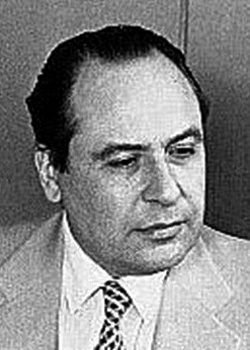 Composer, conductor, and pianist Bruno Nicolai died ten years ago today in Rome on August 16, 1991, at the age of 65.
One of the most accomplished figures in Italian film music during the 1960s and 1970s, Nicolai wrote scores for more than 100 films and television productions while also enjoying an important career as a conductor, publisher and advocate for contemporary classical music. His own work was particularly associated with spaghetti westerns, gialli and European horror cinema.
Nicolai was born in Rome on May 26, 1926. He studied piano with Aldo Mantia and composition with Goffredo Petrassi and Antonio Ferdinandi at the Santa Cecilia Conservatory, as well as organ at the Pontifical Institute of Sacred Music. From 1950 to 1964 he performed as pianist, organist and harpsichordist with the Santa Cecilia and RAI orchestras, while also writing extensively for theatre and television.
At Santa Cecilia Nicolai became friends with fellow student Ennio Morricone, beginning one of the most important—and sometimes misunderstood—professional relationships in Italian film music. Nicolai became Morricone’s preferred conductor and conducted many of his most famous scores, including For a Few Dollars More and The Good, the Bad and the Ugly. He also collaborated with Morricone as composer and conductor on several projects before their partnership ended during the 1970s. Nicolai’s extensive contribution to Morricone’s recordings sometimes led to confusion over authorship, but both men maintained substantial composing careers of their own.
Nicolai’s independent film career developed during the 1960s with scores including $100,000 for Ringo (1965), Django Shoots First (1966) and Day of Violence (1967). Westerns remained an important part of his catalogue, with later assignments including Arizona Colt Returns, Have a Good Funeral, My Friend… Sartana Will Pay, Adiós, Sabata and Run, Man, Run. His western music combined bold orchestral writing with guitars, whistles, percussion and memorable melodic themes, inevitably inviting comparison with Morricone while retaining its own robust personality.
During the early 1970s Nicolai became particularly associated with the giallo. Sergio Martino’s The Case of the Scorpion’s Tail (1971) and All the Colors of the Dark (1972), Emilio Miraglia’s The Night Evelyn Came Out of the Grave (1971) and The Red Queen Kills Seven Times (1972), and Giuliano Carnimeo’s The Case of the Bloody Iris (1972) produced some of his most admired music. These scores often juxtaposed elegant, sensual melodies with dissonance, eerie vocal writing and avant-garde suspense techniques, making Nicolai one of the defining musical voices of the genre.
He also enjoyed a productive relationship with Spanish director Jesús Franco, scoring films including 99 Women, Justine, The Bloody Judge and Count Dracula. Elsewhere, Nicolai’s work ranged from spy pictures and comedies to historical films and television, culminating in later projects such as Ermanno Olmi’s Cammina, cammina (1983) and the television adaptation La coscienza di Zeno (1988).
Away from cinema, Nicolai remained committed to concert music. He founded a chamber group devoted to contemporary composition, established the Edi-Pan publishing company in 1975, and later taught harmony and composition. His concert works included orchestral, chamber and vocal music, reflecting interests considerably broader than his genre-film reputation suggests.

Shop at the Movie Music UK Store

Member of the


