Archive
Francesco De Masi, 1930-2005
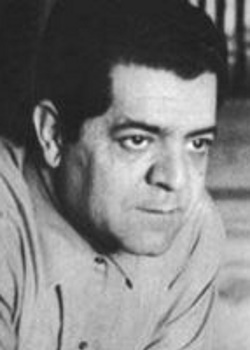 Composer and conductor Francesco De Masi died in Rome, Italy, on November 6, 2005, at the age of 75, following a battle with cancer.
One of the most prolific figures in Italian film music, De Masi wrote scores for more than 200 films and numerous television productions and documentaries, but remains best known for the distinctive music he composed for spaghetti westerns during the genre’s golden age.
De Masi was born in Rome on January 11, 1930, and studied composition at the San Pietro a Majella Conservatory in Naples with his uncle, Achille Longo. He also studied conducting with Franco Ferrara and Paul van Kempen and trained as a horn player, performing with orchestras including the RAI Symphony Orchestra in Rome. His interest in cinema began while assisting Longo on a film score, and in 1951 he composed the music for the documentary Fiat Panis. Several years of documentary work followed before he moved increasingly into feature films.
During the early 1960s De Masi worked extensively on the historical adventures and sword-and-sandal epics then dominating Italian popular cinema, including Hercules the Invincible. However, it was the explosion of the Italian western that provided him with his most characteristic body of work. Unlike many composers who entered the genre after the enormous success of Ennio Morricone’s scores for Sergio Leone, De Masi was already developing his own western sound and consequently retained a style that was distinctly his own.
Among his most notable westerns were A Coffin for the Sheriff (1965), Arizona Colt (1966), Seven Winchesters for a Massacre (1967), Any Gun Can Play (1967), and Kill Them All and Come Back Alone (1968). His music combined traditional symphonic scoring with electric guitars, percussion, whistles, choral writing and memorable title songs, while retaining a stronger orchestral foundation than many of his contemporaries. Arizona Colt was especially successful, with De Masi collaborating with guitarist and vocalist Alessandro Alessandroni on the score and its song “The Man from Nowhere.” Read more…

Shop at the Movie Music UK Store

Member of the


