THE SNAKE PIT – Alfred Newman
 GREATEST SCORES OF THE TWENTIETH CENTURY
Original Review by Craig Lysy
The genesis of the film lay with Bennett Cerf, the president of Random House who presented director Anatole Litvak with a copy of the novel “The Snake Pit” (1946) by Mary Jane Ward. Litvak saw opportunity exploring a topic unknown to cinema and so bought the film rights. He sold his vision to 20th Century Fox studio executive Darryl F. Zanuck who personally took charge of production with a $3.8 million budget. Litvak would direct, and Frank Partos and Millen Brand would write the screenplay. For the cast, Gene Tierney would star as Virginia Stuart Cunningham, but was replaced by Olivia de Havilland due to her pregnancy. Joining her would be Mark Stevens as Robert Cunningham, Leo Glenn as Dr. Mark H. Van Kensdelaerik AKA Dr. Kik, and Celeste Holm as Grace.
Mary Jane Ward’s autobiographical account of her experiences in psychiatric hospitals was adapted into a screenplay. The book, a runaway bestseller, caused considerable controversy upon its publication in 1946, for illuminating with a scathing indictment, the treatment of psychiatric patients. The story reveals that Virginia Cunningham suffers from schizophrenia and follows her journey from patient, to wellness, thanks to the ministrations of a compassionate physician, Dr. Kik. Told with flashbacks, the film offers graphic depictions of dehumanization, mistreatment, electro-shock therapy, narcosynthesis, and strait jacket confinement in a padded cell. The film was a commercial success, earning a profit of $6.2 million. Critical reception was also favorable and laudatory, leading to the film receiving five Academy Award nominations, including; Best Picture, Best Director, Best Screenplay, Best Actress and Best Film Score. Lastly, the film’s impact on society was profound, with twenty-six of forty states enacting legislative reform to establish professional standards that improved and safeguarded the care of the mentally ill.
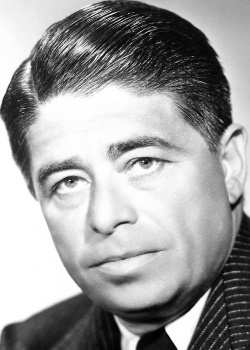 As Director of Music at 20th Century Fox, Alfred Newman generally assigned himself to any of Zanuck’s passion projects. I believe Newman understood that this was a very graphic, and at times truly disturbing film, which revealed the brutality, horror and hopelessness of living as a patient in an Insane asylum. As such he chose to score the film as a horror film, that explores a human soul in anguish, and desperately striving to find the light. But there was also kindness, compassion and humanity to be found, and the intersection of these emotional dynamics offered fertile ground on which to compose.
For his soundscape, Newman composed three primary themes and two motifs; including; Virginia’s Theme, which serves to embody her quest to overcome her mental illness and realize a normal and happy life. It offers a tormented musical narrative that joins horns minaccioso with string appassionato figures. Instructive is how the theme follows her evolution to mental wellness. The Pleading Theme serves a Virginia’s repeated and desperate efforts to solicit understanding and assistance. Strings or flute supplicanti reach out, assuming the form of a bird call, which is invariably smothered by tidal dissonance. The Illness Theme speaks to Virginia’s debilitating mental illness personally, and transpersonally to the patients and sanitarium, which houses them. It emotes ominously, atop a six-note declaration by dire horns. It offers feeling of oppression, futility and hopelessness. As for motifs, the bleak Time Motif offers foreboding clock-like tolling of dread and is associated with Virginia’s inability to recall the passage of time; days, months, and seasons. The Electro-Shock Motif supports the use of the therapy and is brilliantly conceived by Newman, commencing with a crescendo di terrore, which crests horrifically atop horns mostruose, and shrieking strings tormentati.
Newman interpolated and infused his score with a number of classical pieces and popular songs, including the Overture from “Tannhäuser by Richard Wagner, Symphony No. 1 in C minor, Op. 68 IV. Adagio by Johannes Brahms, Waltz Op. 64 No. 1 in D flat major (Minute Waltz) by Frédéric Chopin, “Some Sunday Morning” by M.K. Jerome and Ray Heindorf, “Paducah” by Harry Warren, “Sweet Georgia Brown” by Maceo Pinkard, Ben Bernie, and Kenneth Casey, “Oh! You Beautiful Doll” by Nat Ayer, “I Can’t Begin to Tell You” by James V. Monaco, and “Goin’ Home” from the Second Movement of the Symphony No. 9 in E Minor Op. 95, B. 178 by Antonín Dvorák, better known as the New World Symphony.
“Main Title” offers a powerful score highlight where Newman introduces his primary Theme, and masterfully sets the tone of the film with a terrifying musical narrative. It reveals the 20th Century Fox logo, where Newman sheds his iconic fanfare and instead offers a monstrous fortissimo six-note declaration of the Illness Theme by oppressive horns minaccioso. The declaration evokes terror, and unleashes a truly horrific musical narrative that supports the flow of the opening credits. At 0:26 torment borne by the yearning strings of Virginia’s Theme, full of despair reach for a helping hand, only to be struck down by horns brutale. At 0:50 the fragile Pleading Theme borne by strings supplicanti reach out, yet it is for naught as their call is smothered by tidal dissonance, which crests horrifically at 1:19, ending the opening credits. At 1:24 we enter the film proper atop the quivering strings of the Pleading Theme, which support Virginia sitting on a garden bench delighted by songbirds, but the moment is fleeting as they fly away and we are left with a foreboding misterioso.
In an unscored scene a man’s voice asks; “Do you know where you are Mrs. Cunningham?” She is flustered by the question and the ones that follow. She hears voices in her head but tries to maintain composure. She notices Grace sitting next to her, they converse, but it is clear Virginia does not know where she is. Miss Hart comes out, orders all the women into a line two abreast, and they walk in to the sanitarium where Virginia sights women on the second floor looking out through bars. Inside she babbles, fretting to Grace over the discipline and regimentation of the staff. “Virginia” offers a score highlight of horror. It opens ominously as an eerie pall of fear descends, when Virginia cringes after another woman asks why they are treating them all like criminals. As she looks around, she is stunned to see women being locked in rooms, while above a woman stares blankly through bars. Virginia utters, prison – I should have known it. Newman offers a foreboding, tolling Time Motif of dread joined with the terrified string figure of her theme, which repeats without resolution. At 0:47 her forlorn flute borne Pleading Theme joins as Dr. Kik and her husband arrive and tell Miss Hart that they wish to speak to Virginia. As her flute borne theme pleads, she is reassured that they are friends, and then asked to sit on a bench so they may talk, to which she agrees with trepidation.
The interview is unscored. She misidentifies Dr. Kik as the warden and says she is in prison to study how they work for the novel she is writing. She then answers that she is not married, which elicits a Robert to come to her in desperation as attest that he is her husband. She recoils and Dr. Kik asks Miss Hart to escort her to her ward. Afterwards Dr. Kik and Robert review his history with Virginia and we flash back to Chicago where he describes their first meeting. He informs her that the editor has opted not to publish her novel. After some bantering, she departs and he relates that several days later they reacquaint in the cafeteria. He goes on to relate that she began to frequent the cafeteria more often, that he enjoyed their time together, and that they seem to like the same things, such as classical music. We segue into (*) “Concert”, which reveals Robert continuing his story at a concert supported by the Wagner’s Overture to “Tannhäuser”. Later his unscored storytelling continues, as he relates their shared love of walks and sodas, but adds she never disclosed anything about herself or family, and always departed on a bus, suggesting she lived out of town. (*) “Their Big Day” reveals them at dinner before the concert, which is supported by source background music. She becomes antsy, then agitated, and finally frantic as she bolts saying she cannot go to the concert, and cannot explain. Robert is left incredulous and says that was the last that he saw her for some time.
(*) “Six Months Later” reveals he had moved to New York and bumped into Virginia at the concert hall and both of them were happy. The grand, Beethovenian strolling melody of the Adagio from Brahms’s Symphony No. 1 in C minor, Op. 68 supports them at the concert. His queries as to why she ran off and was absent for six months are unanswered, but he says he did not care as he had at last found her. At a movie theater a marcia militare supports a news reel as she gifts him a cigarette lighter, engrave “RC”. When a movie trailer propelled by charging frenetic music plays, she again becomes agitated but subsides as Alfred Newman’s 20th Century fanfare resounds. Later after the show at the subway she finally brings up marriage, having forgot all the proposals he made. They soon marry, but one day he comes home and finds her complaining that she fears she will never be able to sleep again. He comforts her and tells Dr. Kik that he did not suspect any problem. But two days later on May 12th she has a devastating psychotic break where she fails to recognize time, place, and that Robert was her husband. Back in real time, he closes with, the rest you know doctor.
“Shock Treatment” offers a masterpiece of conception and execution as Newman musically supports the horror of Electro-Shock Therapy. Dr. Kik recommends the use of shock treatment since many times it facilitates contact, which will allow him to identify the causes of Virginia’s mental illness. Robert signs the consent reluctantly and we shift to Virginia sitting on a bench with six other women. They call Virginia who is scared, but Grace reassures her. As she enters the lab foreboding bassoons sound as she asks Dr. Kik if he was going to electrocute her. He reassures her he is not and she lays down on the bed as conducting gel is rubbed on er temples. The nurse Mrs. Davis is hostile and Virginia asks why she hates her. Newman sow with low register woodwinds and strings grave a foreboding musical narrative as we see a tense Virginia lying on the bed. The weeping strings of her theme join with a solo pleading flute as a bite block is placed in her mouth and the emitters place at her temples. At 0:57 a crescendo di terrore commences and crests horrifically atop horns mostruose, and shrieking strings tormentati as the electric shock is delivered. Strings of woe emote her theme as a type writer displays the start of Electro-Shock Therapy on Oct 9, stating that the patient is confused, disoriented and lacks insight and judgment. At 1:23 the horrific Electro-Shock Motif is reprised for a second treatment. Strings of woe again emote her theme as a type writer displays that Electro-Shock Therapy on Oct 11 with no essential change. At 1:40 the Electro-Shock Motif reprises for the third treatment, with distressed strings supporting a type writer display that Electro-Shock Therapy on Oct 14; Contact continues poor, Sensorium clouded, with no insight or judgment. At 1:57 the Electro-Shock Motif again horrifically reprises for the fourth treatment, again followed by distressed strings supporting a type writer display that Electro-Shock Therapy on Oct 16; Slight improvements noted. Patient More Alert, but still confused in surroundings. A truly grotesque musical narrative follows as we see Virginia being returned to her ward. At 2:29 a bleak diminuendo supports her lying awake at night in an overcrowded ward with a closing quote of her theme and the flute borne Pleading Theme.
“Confusion” reveals Virginia asking Dr. Kik on night rounds how long she has been in hospital, and she is surprised to learn five months. Music enters on bassoon and low register woodwinds, which join with her forlorn string figures and the flute borne Pleading Theme as she discloses that she does not remember anything. Dr. Kik says that’s because you were ill, but adding that you’re much better now. Later in the office Dr. Kik signs an order ending Virginia’s Shock therapy.
“Hysteria” reveals Dr. Kik meeting with Virginia in his office where he asks her to recall her life before she came to hospital. She recalls shopping and writing a novel, but not dates. As she struggles with her recall, she begins to become agitated with her tormented theme entwining with the tolling Time Motif. At 0:20 the flute borne Pleading Theme joins as we see a rising desperation in her. Her theme descends on strings of despair, which unleash a horrific crescendo di tormento atop her theme and the Pleading Theme triggered by Dr. Kik brining up her kitchen conversation with Robert where she mistook November for May. He tries to soothe her and at 1:26 the storm dissipates on a decrescendo. The Pleading Theme is reborn joined by strings affanato as she asks why he is so kind to her, but then adds don’t try to make me love you as I cannot love anyone. At 2:11 a dark musical utterance supports her gazing at the letter opener on his desk, which elicits him to ask, why she wants to harm him. She denies it, but then adds that she does not know. He presses her on why she tries to forget a crucial date in her life, and mentions May 12th as we descend into a pitiful abyss of despair. The scene continues here without music with Dr. Kik finally getting her to acknowledge that she is Virginia Stuart Cunningham, and to confirm that Robert is her husband. After she leaves, Dr. Kik reassures her and then places a call to Robert.
“Robert’s Visit” reveals Virginia being dressed up and groomed, and then escorted by Miss Hart to the waiting room where she meets Robert. Strings grave emote the Illness Theme as she recognizes him and calls out “Robert”. Voices of disbelief and trepidation are heard in her mind, as she offers a cautious hello. A misterioso with eerie undercurrents supports as Robert escorts her out to the garden where they will share a picnic lunch. She is dumbfounded that the doors are unlocked as they walk outdoors. They sit on the grass and picnic, and at 0:51 forlorn woodwinds voice the Pleading Theme as she rambles on about her forgetfulness and asks him, what is the matter with her. She asks if she has a brain tumor, and he says no, that she has had a nervous breakdown. At 1:19 a warm and hopeful rendering of her theme joins as he discloses that Dr. Kik will help her recover. But at 2:30 the Illness Theme and Time Motif join to remind us that she is still not out of the woods. However, the music again brightens at 3:01 when he hands her his cigarette lighter to light her cigarette and she see “RC” – and says you are Robert. Yet we close darkly at 3:14 as dire horns sound when he takes her hand and moves in for a kiss only to have her recoil in fear.
In an unscored scene Dr. Kik and the hospital medical staff discuss Virginia’s case, Dr. Kik’s deep investment. He is told that the hospital, which was designed for 312 patients now houses 718 patients, and this week they have been asked to accept 43 new patients. They complain that they lack the resources to support this census and pressure Dr. Kik to release Virginia to her husband’s care. He believes she is not ready, but as he is being forced, he suggests trying a new therapy to discover why she cannot allow any man to love her. “Narco-Synthesis” reveals Virginia being treated with the administration of narcotic drugs to stimulate the recall of her repressed emotional trauma, which after identification, will allow Dr. Kik to provide therapeutic discussion and guidance. We see her counting down from 100 as Dr. Kik injects the narcotic. Newman supports with interplay of her theme and the Pleading Theme and we close darkly as he guides her back to Chicago and the concert where she ran off saying she could not go.
“Chicago” reveals a flashback as she becomes frantic telling Robert that its late and that she has to go as the train leaves at 5 pm. At home we see her frantically rushing to get ready by 6:30 pm. Newman sow a misterioso from which arises at a dissonant crescendo terrore as she races to answer the doorbell, which crests as she opens the door and says that Gordon hates to be kept waiting. “Gordon” reveals Dr. Kik asking who is Gordon, but she rambles on that she tries not to go with him. She then makes a startling revelation that she was going to Chicago next Sunday for a concert and could not attend the annual banquet on May 12th. She asked Gordan to go without her, but he insisted she be ready to go and dressed by 6:30 pm. The music opens darkly as she opens the door and we see Gordan. Gordon appears to be a man senior to her, who was courting her, but Dr. Kik is unable to learn more about him with the Time Motif joining at 0:31 with interplay of her theme and the Pleading Theme in a tortured musical narrative as they drive in the rain.
In “The Crash” Gordan discloses that Janey and George intend to get married and that this will get Janey off his hands. He adds that George has agreed to help with mother, and that he has decided that this is as good a time as any to have a double wedding. He adds that he has not bought her an engagement ring yet. We see her recoil and start shivering as an eerie Pleading Theme joins. Gordan notices, asks if she is sick, and she insists he take her home. He reluctantly agrees, turns the steering wheel, and a stinger at 0:22 takes her back to real time. The music becomes tormenting as Dr. Kik suggests that she really did not want to marry. She says she really was sick. He asks what happened with Gordan taking her home. At 0:31 a crescendo orribile commences as we see them driving home and him clearly distracted. He takes his eyes off the road and we see them crash head on into a truck, supported by an orchestral crash as she screams of her guilt for causing his death. He comforts, soothes and reassures her that it was not her fault as he was doing what anyone would have when she took ill. He then says to her that she will remember everything you told me when you wake up.
The next day in an unscored scene Dr. Kik dictates a letter to the Board advising them of his findings, and progress with Mrs. Cunningham and requesting that her stay be extended as the root causes of her psychic trauma have been identified and require treatment. (*) “Date” reveals Virginia out for a date with Robert at an ice cream parlor with jazzy swing music playing in the background. He informs her that she will have a medical staff interview tomorrow to determine if she can be released to live with him on his mother’s farm. “The Bite” reveals the interview. She is nervous as the window behind her is rattling in the rainstorm. She is confrontational and defensive to Dr. Kik’s questions and so the Board asks that Dr. Curtis to interview her instead. Dr. Curtis is impatient with her responses and begins wagging his finger at her, which triggers a psychotic break as we see images of her drowning in raging seas. Newman supports with an eerily chiming Clock Motif, horrific woodwind vortices, and chattering horns bellicoso. We shift to her straight-jacket confined in a bath tub suggesting that she is restrained due to her violence.
(*) “Ward 12” reveals Virginia confined in the recreational ward where patients walk in circles around a rug. She is rebellious and arouses the nurse’s ire by walking and sitting on their new rug. Fellow patient Bee Humphries then defiantly begins dancing on the rug and singing the folksy ballad “Sweet Georgia Brown” a cappella. In “A Box Of Candy” Robert is visiting her and has brought a box of candy. He discloses as Dr. Curtis passes by, that she bit his finger during the interview, which is why she was placed in restraints. At 0:31 forlorn flute voices the Pleading Theme, followed at 0:45 by Virginia’s Theme on a plaintive solo violin as Robert relates that it was not Dr. Kik who sent her to the interview, but him as he was anxious to get her home. He accepts the blame as Dr. Kik says she was not ready. In unscored scenes, that night she feigns appendicitis as a pretext to see Dr. Kik. She apologizes and discloses that she does not blame him for what happened. He sees that she is improving and so moves her to Ward 1, the least restrictive ward and the one closest to discharge.
(*) “I’m A Pianist” reveals Virginia in her new room where staff nurse Bixby warns her to obey Mrs. Davis unconditionally or you’ll get in trouble. She meets Mrs. Davis who is curt, unfriendly, and sternly warns her to obey the rules. Later Virginia meets another patient, who is playing Chopin’s Minute Waltz on the piano. Her attempt to make friends however is rudely rebuffed. In unscored scenes, she gives cigarettes to a patient named Valerie in exchange for a doll she made. Another pretentious and insufferable patient engages her in conversation, to which Virginia foils with pithy repartee. Later Mrs. Davis accuses her of stealing Valerie’s doll, but she refuses to give it back saying she traded cigarettes for it. Mrs. Davis orders a nurse to bring Virginia to her office where she is joined by Dr. Kik who sees her cradling the doll like a baby.
“The Past” reveals Dr. Kik inquiring about her desire to have a baby. She states that every woman wants to have a baby, and then beseeches him saying that she did not steal the doll. A pitiful Pleading Theme supports, as he acknowledges that he knows she did not steal it, but then asks why she refused to give the doll back as Mrs. Davis directed. This elicits a ferocious reply at 0:22 as her aggrieved theme surges atop strings irato when she declares “Go on! Take her part, just like father, and then getting angry with me!” Yet the anger dissipates as he calls in nurse Bixby and declares that the doll belongs to Virginia and to inform Mrs. Davis. At 0:36 the Pleading Theme reprises as we see her relieved. The next day at their 10:30 am daily meeting, the Pleading Theme becomes plaintive as he probes her past to uncover the incident with her father. At 0:52 her theme, borne by strings tristi joins as she relates that a doll belonged to her friend and neighbor Janey. At 1:08 the music has an ethereal surge, which takes us into a flashback as a child. Her theme, rendered with child-like innocence supports as her mother tells her to return Janey’s doll and bring back hers. The music sours at 1:37 as her mother frets at her petulance and ascends the stairs to get her father. Virginia begs to no avail and then walks off in a huff. We close warmly with love on her string borne theme as she affirms that she loved her father.
(*) “I Loved My Father” reveals her on a merry-go-round with her father, supported by carousel music. An idyllic musical narrative unfolds as we see her father winning a shooting contest and gifting her a little soldier doll as a prize. We segue into “Childhood” where the music slowly saddens as she relates that her father ordered her to take Janey’s doll back to her, and bring back her doll Queenie. At 1:02 strings tristi support her pouting at the dinner table where she refuses to eat. She is dismissed from dinner and a pouting variant of her theme takes her to her room. At 1:31 her now petulant theme joined by the Pleading Theme supports dialogue in her mind where she relates anger towards her mother, promises defiance, and then running away so they cannot find her. She then relates that she doesn’t care if father gets angry, nor does she care if he hates her. At 2:00 woodwinds surge with anger with strings of pain as she grabs her little soldier doll, treating it as a surrogate for her father, and proceeds to smash it saying she hopes he breaks into little pieces so they can bury you, so I never have to see you again. We hear her as an adult crying and when Dr. Kik asks what happened, and strings affanato join as she relates that father got sick, died and was buried. Dr. Kik tries to assuage her guilt saying that she was not responsible for her father’s death. At the funeral she asks her mother if she loves her and will not leave her. We return to real time and close with pathos as Virginia relates that her mother remarried but never afterward liked her as she reminded her of her father.
In an unscored scene Virginia has another run in with Mrs. Davis, offering a rejoinder that she doesn’t like her because she is in love with Dr. Kik. The words strike home and Mrs. Davis departs in a huff, refusing Virginia’s apologies. When another patient advises that she will soon be forced to leave, Virginia panics and locks herself inside Mrs. Davis’ bathroom. She panics as Mrs. Davis sounds the alarm when nurse Bixby alerts her that Virginia has vanished. She falls asleep, and wakes at night as someone tries to open the bolted bathroom door. Mrs. Davis orders her to open the door, but Virginia demands to see Dr. Kik. She is advised that he has left for the day, but that her husband was waiting for her. She opens the door and is met by a team with a straight jacket. She runs away screaming, is caught and the jacket is forcibly placed on her. Later, Dr. Kik arrives, is advised of her situation. He asks to see her, in Ward 33, the ward for the incurably insane. The women are gravely disturbed, rave, talk to themselves and behave wildly without purpose. In her cell she is released from her straight jacket, apologizes, but is informed by Dr. Kik that in Ward 33 Dr. Terry is in charge of her care, but that he can visit her. Virginia seems to be an island of sanity in the communal day area surrounded by raving insanity.
We flow into “The Snake Pit” where the camera slowly moves upwards until we see Virginia in a deep pit surrounded by raving madness. Newman supports the scene horrifically with slithering strings, raving woodwinds, and grotesque horns di violenza. We close on a diminuendo of the Illness Theme as we shift to Dr. Kik’s office where she relates her experience saying it was although she was cast into a snake pit. In an unscored scene she then tells him she once read that in ancient times they would throw insane people into a snake pit, believing the experience would make them sane. He then systematically describes all the life events, which triggered her condition, whose nexus was the guilt she suppressed that she was responsible for her father’s death. She has an epiphany and both are very pleased with how far she has come. (*) “The Dance” reveals it is dance night for the women and their loved ones at the sanitarium. A live band performs the festive “I Can’t Begin to Tell You by James V. Monaco as they all take to the dance floor. Virginia and Dr. Kik soon take to the dance floor for one last moment together as he finally opens up to reveal aspects of his life. Afterwards he advises her that he has scheduled her for a staff exit interview, and she is thankful as we flow into the traditional hymn “Goin’ Home”, sung with aspirational hope and heart by Jan Clayton.
“Going Home” offers a supremely moving score highlight, which reveals Virginia being discharged and saying her goodbyes to friends, including Hester who speaks for the first time; saying “Goodbye Virginia” as they hug. Newman drapes us with a musical narrative borne by Virginia’s Theme, tinged with sadness and the ache of parting with exquisite writing for strings and woodwinds. As she passes Dr. Kik she asks him to come and visit Robert and her. To which he replies, of course. At 1:07 Newman sow hope for a brighter future as we flow into an interpolation of the Largo from the “New World” Symphony #9 by Antonin Dvorak. Outside Robert greets her and at her request places the wedding ring he kept safe on her finger. A string bridge supports they getting on the bus and as it departs a heartfelt and thankful reprise of the “I’m Goin’ Home” melody supports, culminating with happiness in a flourish.
I would like to thank the late Nick Redman and Varese Sarabande for releasing Alfred Newman’s masterwork of horror, “The Snake Pit”. The score was restored by Mike Matessino, with 35 mm assembly by Ron Fuglsby, and editing and mastering by Dan Hersch. The improvement of the archival monaural sound is praise worthy, however the reader is advised that audio imperfections were not entirely eliminated. Never the less, the brilliance of Newman’s handiwork may still be appreciated. This was a seminal film, which for the first time graphically portrayed the lives of sanitarium patients. Conditions for housing were miserable, patient census too high, treatment methods often misguided or ineffective, and inhumanity by staff, deplorable. I believe Newman understood that this was Virginia’s story, of her journey from the darkness of tormenting mental illness to the light of sanity. In a brilliantly conceived masterstroke, we watch the evolution of Virginia’s Theme mirror her evolution from torment to liberation. The oppressive Illness Theme drapes us with darkness, futility and despair, but also gradually dissipates as Virginia heals. The Time Motif, which spoke to Virginia’s temporal disorientation, and the Electro-Shock Motif, which embodied the horrific experience of this therapy were also masterfully conceived and executed. As with all great scores, the juxtaposition of darkness, despair and pain, with moments of beauty, light and hope strengthen, empower and enhance a film’s narrative. Folks, this is a powerful, persuasive and poignant score and a testament to Alfred Newman’s genius. I highly recommend this compilation album, which includes “The Three Faces of Eve” by Robert Emmett Dolan as essential for your collection.
For those of you unfamiliar with the score, I have embedded a YouTube link to the Main Title: https://www.youtube.com/watch?v=3q47-P0aEl4
Buy the Snake Pit soundtrack from the Movie Music UK Store
Track Listing:
- Main Title (1:48)
- Virginia (1:07)
- Shock Treatment (2:47)
- Confusion (0:42)
- Hysteria (2:59)
- Robert’s Visit (3:22)
- Narco-Synthesis (1:10)
- Chicago (1:29)
- Gordon (1:49)
- The Crash (0:58)
- The Bite (0:58)
- A Box Of Candy (1:00)
- The Past (2:07)
- Childhood (3:11)
- The Snake Pit (0:54)
- Going Home (from the “New World” Symphony #9, written by Antonin Dvorak) (2:27)
Running Time: 28 minutes 48 seconds
Varese Sarabande CD Club VCL-0910-1111 (1948/2010)
Music composed and conducted by Alfred Newman. Orchestrations by Edward Powell. Recorded and mixed by XXXX. Score produced by Alfred Newman. Album produced by Nick Redman and Robert Townson.

Shop at the Movie Music UK Store

Member of the

 MOVIE MUSIC UK