BETWEEN TWO WORLDS – Erich Wolfgang Korngold
 GREATEST SCORES OF THE TWENTIETH CENTURY
Original Review by Craig Lysy
The play 1923 Outward Bound by Sutton Vane enjoyed successful theatrical runs in London and later on Broadway, where it achieved 144 performances. In 1943 Warner Brothers Studios decided to embark on a remake of their original fantasy film version of Outward Bound from 1930. Jack Warner and Mark Hellinger took charge of production, Edward A. Blatt was tasked with directing, and Daniel Fuchs was hired to write a new screenplay, incorporating story elements from both the original 1924 Broadway play and the 1930 film. A stellar cast was hired, including Paul Henreid as Henry Bergner, Eleanor Parker as Ann Bergner, Sydney Greenstreet as the Examiner, the Reverend Tim Thompson, Edmund Gwenn as Scrubby, John Garfield as Tom Prior, George Coulouris as Lingley, Faye Emerson as Maxine, Sara Allgood as Mrs. Midget, Dennis King as the Reverend Duke, Isobel Elsom as Genevieve Cliveden-Banks and Gilbert Emery as Benjamin Cliveden-Banks.
In the original play seven passengers on an ocean liner each realize they have no idea why they are at sea, nor where they are going. They eventually discover that they are sailing to Judgment Day, where an ‘Examiner’ will determine if they go to Heaven of Hell. In this latest incarnation the story is set during the Blitz with our passengers seeking escape from war ravaged London in the United States. Henry Bergner a renown pianist despairs and decides to commit suicide when his exit visa is denied. His wife Ann cannot dissuade him, and so joins in his suicide by gas stove asphyxiation. They awake and find themselves on an ocean liner headed to America, where a steward informs them, they are dead. They are joined by other couples who are unaware that they are dead. After much drama, the Examiner sentences Henry to remain forever on the ship, while Ann can proceed to Heaven. Ann protests and the Examiner shows mercy granting them a second chance of life as we see a bomb explosion shatter their apartment window, which allows fresh air to flow in, thus saving them from asphyxiation. The film was neither a commercial or critical success, receiving no Academy Award nominations.
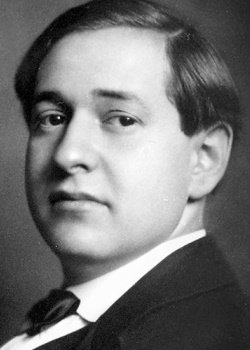 Jack Warner brought in his studio’s finest composer, Erich Wolfgang Korngold for this project, given that the lead actor was playing a classical music pianist. Korngold was fascinated by the fantasy and metaphysical elements of the story. Additionally, as a refugee from Nazism, the flight of others in this story from the its horrors resonated with him. Korngold, upon viewing the film the underlying themes of war, love, despair, death, judgement, and redemption offered fertile ground for him to create his soundscape. The film also offered him an opportunity with one of its scenes to compose a rhapsody for piano.
For his soundscape, Korngold again composed a multiplicity of themes. The first group are transpersonal, including the two Between Two World polarities, one theme for the world at war, the other theme for the world beyond – Heaven and Hell. The World at War Theme offers aggressive and dramatic four-note rising and descending declarations by martial trumpets bellicoso, which speak to the destructiveness and brutality of war. Juxtaposed is the is string borne, idealized and idyllic The World Beyond Theme, which speaks to the afterlife. The Ship Theme offers an eerie, surreal sinusoidal misterioso borne by other-worldly strings draped with Novachord auras, which speaks to it as a vessel used to transport dead passengers to the afterlife. The ship is always draped in dense fog and the theme masterfully creates an otherworldly ambiance The Judgement Day Theme speaks to the coming, inescapable day of judgement by the Examiner. Korngold offers heavenly strings and woodwinds, crowned with horns solenne and organ. The Salvation Theme is associated with the Examiner whose judgements reassure, and bestow hope for passengers sad at their passing. Warm, comforting strings felice offer an uplifting and restorative musical narrative, which assuages fear, and promises the recipient that they will indeed eventually receive what they desire.
For the personal themes, we have the Piano Rhapsody, which offers an effusive romance for piano forte full of longing. It is introduced tentatively as Henry discovers that his hands are no longer injured and he can again play his beloved instrument. Henry and Ann’s Love Theme speaks to the unbreakable love between the two. Korngold supports with strings romantico, which offer a sumptuous romance for strings led by a yearning violin d’Amore. Mrs. Midget’s Theme offers a warm, and beautiful passage by solo violin tenero, which speaks to her endearing maternal nature. Woven within the notes are subtle auras of sadness and yearning, which speak of regret as she put her son Tom up for adoption, and her unrealized desire to live in a cottage with a garden by the sea. Maxine’s Theme supports her identity and sad admission to having never really found love, being unsure if it really exists. It is voiced by strings romantico, but its expression, while sumptuous, is one of jaded love a sad testament full of cynicism and disdain. Lingley’s Theme supports this irredeemable, unrepentant, imperious, and insufferable Nazi collaborator. Korngold fashions a plodding promenade borne by woodwinds pomposo. Reverend Duke’s Theme offers subtle religiosity borne gentle, yet warmly by woodwinds tenero. The music speaks to a gentle and good man perfectly suited to his profession. Benjamin’s Theme is an unrequited love theme borne by strings doloroso. He loved Genevieve pathetically for years, even though she did not express love for him, and had numerous affairs.
There is no commercial release of the complete score. This album offers a suite constructed by John Mauceri, from eighteen of the original forty cues, arranged in film chronological order. This review will incorporate these cues along with music for scenes not found on the album, which will be coded (*). “The World at War – the Next World” supports the Main Title dramatically atop horns bellicoso declarations of the “World at War Fanfare as the Warner Brothers Studio logo displays. At 0:11 church bells usher in a sumptuous exposition of the hopeful Next World Theme, which supports the flow of the opening credits, set against an empty deck of an ocean liner. At 01:18 we enter the film proper atop the World at War Fanfare borne harshly by trumpets dramatico as we see building front signage, which reads; “British Great White Fleet LTD.” A woodwind carried diminuendo of the theme takes us inside. Ominous muted drums buttress a soft rendering of the World at War Theme as we see passengers receiving debarkation and sailing instructions over loud speakers. Nervous passengers wait on a bench for orders to board as a desperate Henry Bergner’s attempt to obtain an exit permit for his wife and himself is denied. (*) “Boarding” a portentous syncopated World at War Theme by woodwinds buttressed by muted drums supports the call for the eight passengers of Party F to board as a dejected Henry looks on.
“The Blitz in London” reveals air raid sirens going off as White Fleet employees run for cover. The World at War Theme resounds with menace, unleashing an orchestral torrent of fear as we see three German bombers flying overhead as the eight passengers board a cab to take them to the docks. Ann Bergner reaches the cab carried by strings of desperation, and calls out to Henry. She is pushed away and the cab departs empowered by a series of ascending string figures, which are shattered horrifically at 1:17 by a maelstrom of violence as a bomb falls on the taxi, destroying it. Ann is frantic and as she searches for Henry, fragments of the World at War Theme carry her. At 2:03 we see Henry entering their apartment carried by an oboe triste emoting the Next World Theme. (*) “Ann Runs Home” reveals her running home carried by a frantic musical narrative borne by strings of desperation. Inside the apartment Henri turns on the phonograph and sits down as source music plays The Next World Theme. Outside the music propelling Ann’s frantic run home is sustained as she runs up the stairs. She is horrified to find Henry committing suicide and tries to dissuade him, but he says his hands are damaged, he will never be a concert pianist again and that she should leave. She pleads with him to choose life with her and the music swells on strings appassionato. Then the camera pans away, and the music dissipates.
“The Ship” sinusoidal other worldly strings, Novachord and vibraphone create a surreal ambiance, which supports Henry and Ann walking down a ship’s corridor. At 1:05 forlorn woodwinds join as Henry struggles to understand what has happened. At 1:38 Korngold sows fear as Henry and Ann look through a window into a room where we see the ship steward with the eight passengers of the doomed taxi. In (*) “The Passengers” as Scrubby, the ship steward calls out the names of the eight passengers, Ann realizes they were the same people killed in the taxi, and that they too must be dead. Korngold supports with an eerie, twisted, dissonant rendering of the World at War Theme. The surreal, sinusoidal, string borne Ship Theme returns, shifting to woodwinds as Henry walks with her in his comforting arms as they try to understand their situation. They are cold, and enter the ship’s lounge, which includes a grand piano. Korngold weaves a misterioso of uncertainty as the camera pans the room. “The Pianist at the Piano” offers a score highlight where Korngold offers an old-world rhapsody for piano, which blossoms romantically. It reveals him walking up to the piano and then tentatively playing the rhapsody’s first notes. He soon realizes that his hands have returned to normal and continues the rhapsody in virtuoso style. He turns to Ann at 0:51 and declares his hands are steady and that he can play again. The rhapsody is rendered romantically and as he speaks to her of a world without “men in black and brown shirts”, where they can at last realize their dreams without living in fear.
In (*) “Conversations” Henry plays an extended a virtuoso statement of the Rhapsody for Piano Forte as we shift to conversations among the other passengers, many of who seem confused or out of sorts. The ambiance is shattered in (*) “Mr. Lingley” as he barges in demands that the Scrubby send his staff to his room. When he is advised that his staff is not on board, he is furious. An increasingly personal and disparaging repartee unfolds between Tom, a newspaper journalist whose stories exposed Lingley’s business dealings with the Nazis, and Lingley who used his influence to get Tom fired. Korngold masterfully supports musically be weaving an angry musical narrative of Tom’s Theme within the fabric of a misterioso. After Lingley departs Tom and Maxine resume their repartee supported by an unsettling misterioso of uncertainty as he complains of feeling his head is in a fog. He leaves to get some air on deck carried by a grim musical narrative. Henry’s piano music resumes as Maxine joins Lingley at his table and chit chat. Henry’s piano playing stops when Pete joins and interrupts him. When Henry and Ann prepare to inform him, they are all dead, the Scrubby enters, and sends Pete off to dinner. (*) “The Revelation” reveals the steward advising Henry and Anne to not disclose to the other passengers that they are all dead, as they must all determine this on their own. When they ask him to where are they sailing? The Next World Theme blossoms as Scrubby answers; to Heaven and Hell and departs, leaving both staring with incredulity.
(*) “Tom and Mrs. Midget” reveals Tom on deck looking out into the fog still supported by a misterioso woven with his angry theme and fragments of The World at War Theme. As he walks to reenter, he finds Mrs. Midget and the misterioso is shorn of its anger, and softened as he asks why she sits here alone. A beautiful, wistful passage by solo violin tenero supports her musings of how she likes it here alone on deck as she had always wanted a cottage by the sea. Yet soon the misterioso of uncertainty returns as Tom asks if she has seen any other passengers, crew or officers, and she answers, no. Her theme regains its prominence as she maternally counsels him to not fuss and fret over the little things saying what he needs to set things right, is a good hot meal. Well, she wins him over and a flute borne misterioso joins as he takes her hand and they depart. (*) “Henry and Ann” reveals her fearful of their future, but Henry comforts, and reassures her in a loving, kissing embrace, which Korngold supports with a rapturous rendering of their love theme by strings d’amore. The moment is lost when Maxine interrupts cynically says “love in bloom”, and then asks if they are nine-year olds, or is this for real? She then asks is it all that it’s cracked up to be, is it real, relating that she has never experienced love and cannot tell. They are incredulous and she invites them to join the others for dinner. She departs, and a sad statement of their Love Theme is heard as Ann relates sympathetically that Maxine looks unhappy. We end full of foreboding as Ann accepts his invitation to join the others for dinner.
(*) “Dinner” reveals all the guests seated at a long grand table for dinner with Pete proposing a toast. Everyone seems morose and Korngold reprises his eerie, other-worldly misterioso of uncertainty. Tentative tremolo strings tinged with anxiety support Henry and Ann’s entrance, with Tom asking Maxine who are They, and she answering – “Love in bloom”. As they are seated, their Love Theme attempts to take voice, but is stifled. The music brightens and a musical narrative of happiness unfolds as Pete proudly announces news of being a father. The Reverend Duke arrives and he apologizes for being late. As he speaks of his first trip to America to attend a convention an endearing, warm and buoyant musical narrative unfolds, yet its narrative flow is severed when a distraught Ann runs out. The guests are perplexed and Henry goes after her carried by a musical narrative of anxiety. In (*) “Ann’s Anguish” Henry finds her crying and distraught, unable to bear the reality that their fellow passengers are all ignorant that they are dead. Korngold supports the moment with grieving strings affanato and dissonance as Henry tries to comfort her.
(*) “Lingley’s” Proposition” supports his arrival with a grim and foreboding passage. He offers Henry, whom he knows was a soldier, £50 and a pistol to serve as his personal body guard. Henry refuses and Lingley offers £100 and then a staggering £500, which he says would be more than enough to set them up in New York. Henry reluctantly accepts as Scrubby arrives saying coffee is served. After Lingley and Scrubby depart an impassioned statement of the Love Theme supports her fervent beseeching that he abandons the gun and job. She says their fates and the guests are different as we took our own lives, and are suicides. Korngold dramatically supports the revelation heard by Tom, who was listening unnoticed on the stairs. As Tom relates his memories of Henry being denied passage, a tortured agitato misterioso supports. Henry begs him not to disclose to the others that they are dead. The musical narrative shifts to become maniacal and ecstatic as Tom departs feeling empowered, and expresses thankfulness for the news.
(*) “Maxine Returns” reveals her returning to join the group, as we see Lingley leering with lust in his eyes. Korngold supports with her jaded Love Theme borne by sumptuous strings romantico. Benjamin joins the Reverend and Pete for a chat with the misterioso playing underneath the dialogue. Lingley accepts an invitation to chat with Genevieve, but declines her offer to play Bridge. Mrs. Midget offers to assist getting a fourth, but is rebuffed by a demeaning Genevieve and Lingley with upper class snobbishness. Korngold supports with the strings doloroso of her theme entwined with the Ship Misterioso. Tom comes to Mrs. Midget’s aid, and insults Genevieve who storms out in a musical huff. Tom empowered by his angry theme then turns his guns at Lingley, taunting him with news that the stock market has crashed, and that his best days are behind him. Lingley storms out propelled by a restless sea of strings irato. As his stunned fellow passengers look at him, the Ship Misterioso resumes. Pete asks Tom what he is try to sell and he performs an amazing card trick crowned with refulgent ethereal strings of wonder. Tom then accuses the three of being clueless as to what is happening and departs carried by the Ship Misterioso.
(*) “Maxine and Lingley” offers a score highlight where we witness the intersection of powerful, conflicting emotions. Maxine asks Tom what is bothering him, and he relates that this voyage is not what he expected. Dark low register strings and Novachord create an eerie and foreboding ambiance as he invites her to dine with him. She is guarded, but then he opens the floodgates of his heart and informs her of his feelings for her. As he fervently relates his love for her, strings romantico swell on a crescendo appassionato, which is shattered by Tom’s interruption as he claps and says, “Bravo!” Lingley has had enough and moves in to fight propelled by dire strings irato, but Maxine intervenes and dissuades him. A fiery storm of orchestral rage empowered by horns bellicoso joins as Lingley storms out swearing retribution. In the aftermath, Maxine’s Love Theme enters as we see her concern for Tom. She pleads with him to not spoil things for her, and he responds by saying he loves her, and wishes her the best. Her romantic theme assumes the guise of anger as she then lets him have it, saying this trip has made her a star and she is not going to let him take that from her. He defers, and asks, if what she aspires to is really going to happen. She is confident, declaring it will all work out, as the music swells on strings appassionato atop a crescendo romantico, which crests as he grabs and kisses her. She is furious, with a restless sea of strings irato surging. He rebukes her, calls her a fool, and says to go buy a ticket to the moon. She leaves calling him crazy as and we end on an intense crescendo dramatico.
In (*) “The Greatest Show of a Lifetime” Tom goes inside where the Reverend proposes organizing some entertainment for the passengers. When Scrubby and Henry try to dissuade the Reverend saying it is too late, Tom snaps at Henry taunting him to tell them all. He takes the Reverend’s advice and commits to a show tonight for all the guests, empowered by a menacing stepped crescendo of his theme. Later, with the guests assembled, Tom begins, using a fearful Henry as his side-kick. He takes the £500 from his jacket, has Pete place the money in a bowl, and then sets them on fire with a lighter. Korngold mimics the flames with surreal effects by woodwinds, strings and Novachord. Lingley is outraged that he burnt the money, but is goaded into joining for the next act. He walks on stage supported by his theme borne by woodwinds pomposo. He grabs a gun from Henry’s jacket and Korngold sows an escalating tension as Tom waves the gun about as Lingley becomes frightened. Korngold supports with a terrifying crescendo of alarm as Tom points the gun a Lingley, who becomes frantic. He pulls the trigger, shooting him in the chest, yet Lingley and everyone are amazed as there is no blood, or wound and he remains alive. Tom then drops the bombshell – that they are all dead.
(*) “Confirmation” reveals the arrival of Scrubby, who confirms that everyone, including himself, are dead. As the Reverend tries to absorb the news, wistful woodwinds, full of sadness support as he voices all his ambitions, which will now go unrealized. Maxine’s Theme joins full of sad resignation as she voices that she thought she finally had the success she wanted. As Pete protests the music become aggrieved, dissipating into a wistful sad acceptance borne by a solo violin triste as Henry consoles him to resign himself and accept the inevitable. A string borne agitato rises up as a frantic Lingley refuses to accept his fate, swelling on an angry crescendo full of panic. Scrubby counsels everyone to go on as normal and await the examination. (*) “Judgement Day is Coming” reveals Benjamin pondering aloud the coming review of their balance sheets, and the reckoning. Despite the palpable dread and fear in the room, Korngold offers a soothing musical narrative borne by woodwinds tenero, ethereal strings and harp glissandi. Maxine angrily rejects Mrs. Midget’s counsel to perhaps change into something more appropriate, instead raging against what soon comes, supported by her defiant theme. She bolts from the room and we see the others unsure of how to prepare until Mrs. Midget suggests a prayer. Korngold sows religioso auras with warm French horns solenne and strings reverenti as the Reverend leads them in prayer. As he recites the words, we are bathed in ethereal refulgence of the Judgement Day Theme by heavenly strings and woodwinds, crowned with horns solenne and organ.
(*) “Preparations” reveals Scrubby and Henry arranging chairs for the passengers supported by a grim soundscape of foreboding low register strings and woodwinds of woe. The music brightens as Scrubby smiles and expresses satisfaction with their preparations. But when he departs, the music again darkens as we see that Henry is perplexed by Ann’s expression towards him. As he opens up to her about helping Scrubby prepare, their Love Theme born with pathos supports. He does not understand why he helps, but adds that he thinks it is the right thing to do. Ann reassures him, but he despairs, aching with regret for throwing away their lives. Ann comforts him, and a solo violin d’Amore supports as she says that she wanted to go with him. The melody carries her Scrubby who she asks, how many trips he has made, to which he answers, five to ten thousand.
In (*) “The Examiner Arrives” Ann and the Scrubby’s conversation ends with the sound of a ship’s bell draped in ethereal refulgence. Scrubby announces that the Examiner has arrived and Korngold sows fear with a foreboding musical narrative as he summons the passengers, and directs them to take their seats. “Fear – Entrance of the Examiner” reprises the sound of the ship’s bell, again draped in ethereal refulgence. At 0:10 the music darkens with mounting fear atop a string agitato as an anxious Lingley proposes a plan where he will use his business acumen and experience to speak for the group, yet with the exception of Genevieve, they all reject it. The bell rings a third time draped in refulgent splendor, and we ascend on a crescendo dramatico as the Examiner arrives and warmly greets Scrubby and the passengers.
“The Minister” offers a beautiful score highlight. The reverend recognizes the Examiner as the Reverend Tim Thompson, whom he warmly greets. The Examiner engages in ‘catch up’ banter, but is stopped by the Reverend Duke who voices how upset he is at the turn of events. Music enters on ethereal tremolo strings as Thompson reveals that he is the examiner. He advises Duke that he still has much to accomplish, but that he has to get out more and mingle with the people. Korngold supports with a prelude, which bathes in the ethereal refulgence of the Judgement Theme by heavenly strings and woodwinds, crowned with horns solenne and organ. At 0:38 Korngold interpolates the absolutely gorgeous and sumptuous romanticism of his opera “Das Wunder der Heliane” (1927), which supports the relief and joy of a most thankful Reverend Duke.
In “The Nazi-collaborator” harsh, dark guttural horns usher in a grim musical narrative as Lingley rises to speak and asserts, that he alone will speak for the group. Three times the Examiner tells him to go away, his third command swelling powerfully with finality atop a crescendo dramatico. He orders Scrubby to take him to the launch, and then over Lingley’s defiance, reproaches him for a life squandered pursuing wealth by exploiting others. In the end, he advises that you cannot take it with you. Lingley’s Theme, crowned with dire horns of doom, emotes as a dirge as Scrubby escorts him to the launch. (*) “Come With Me” reveals the Examiner asking the Reverend Duke to begin his apprenticeship with him, supported by a warm rendering of the Reverend’s Theme. Dire and portentous French horns resound, joined by strings voicing fear as the Examiner orders Henry, over his vociferous protests, to come with me. As he she says goodbye, Ann reassures him and we discern in the notes a kernel of hope. As he leaves her however, a grave, dirge carries his departure. Inside the adjoining room, the Examiner sits with the Reverend Duke, and he asks Henry to sit down at the table. Gentile woodwinds lighten the mood as the Examiner discusses his weight problems with the Reverend Duke.
(*) “Mrs. Cliven-Banks” offers a poignant score highlight. She enters, insists on a luxury home, and is surprised when the Examiner instead gifts her a castle. She is stunned with the caveat that no one will ever visit her and demands to know why. The Examiner reveals how she married Benjamin only for his money, and how she never loved him and then repeatedly had affairs. She asserts he never knew, so what was the harm? Dark chords sound as Benjamin, who has entered silently with Scrubby says, “I knew from the beginning”. He adds that he loved her, and hoped that one day you would change, which brings her to tears. We are graced by an aching unrequited love theme, a sad romance for strings, which voices Benjamin’s heartache. The music brightens atop refulgent woodwind and string ascents as she admits that she was silly, and that all will be right. She asks Benjamin to depart with her, and he says no, saying his love has gone, vanished. Adding he realized this when Henry was playing the piano, which took him back twenty years. Korngold supports his revelation with a reprise of the piano rhapsody orchestrally. She feigns acceptance and happiness and departs for her castle, supported by a Pathetique for strings. She pauses at the door, turns and says “Swine” to the Examiner empowered by a chord of anger and then departs.
In (*) “Benjamin” the music brightens, filled with hope atop The Next World Theme borne by strings felice as the Examiner takes Benjamin by the arm and advises that he will soon be rejoining all his friends. Benjamin is thankful, but as he departs his wistful love theme reprises as he says, “She was so pretty”. The Reverend Duke’s Theme joins on woodwinds as he expresses his sadness of their fates. We segue aggressively atop Tom’s Theme into “The Young Actress and Her Boyfriend” as he barges in and says, what about me? As he says come in, a violin borne misterioso supports Maxine’s arrival in a conservative black dress lacking her customary accessories and jewelry. Her jaded love theme, weighted down with sadness and regret supports her wistful pining for her early days. Tom tells her to fight him, but she says, “Oh Tommy”, kisses him tenderly, and says goodbye. This enrages Tommy, who storms out propelled by his angry theme, saying “I can take it!” An aching Maxine’s Theme full of regret supports her hope that she could return to her early days and start anew. The steward says “Come”, and they depart on a diminuendo of her theme. The Examiner rejoins Tom, greeting by his defiant theme. He challenges the Examiner to gamble with him saying if he loses, he will obey whatever he says. The Examiner then asks, what Tom wants if he wins. He says, “Death. A real death, zero – a death as I imagine and want”. The Examiner agrees despite warnings from the Reverend Duke. He draws a three of clubs supported by a portentous flute draped with Novachord auras. Tom draws a two of clubs, supported by startled woodwinds and is shocked. He demands a rematch and loses again. He is in disbelief yelling “I fixed them!” A swirling ascent supports him saying to wait, as he grabs the cards, which he slams down, punctuated by a grim chord of defeat. Tom accepts his defeat and the Examiner says he may go on, much to Tom’s relief, with the caveat that here, he can no longer deceive others or himself from the truth of what he is, and that there may be no one here to help him.
“The Journalists Mother” offers a truly evocative score highlight. It reveals Mrs. Midget joining and saying perhaps she can help. Tom is angry, and wonders why she is always following him. Her tender, maternal theme enters atop flute delicato and strings tenero as she tells him she wants to help him and that she knows what he needs – someone to look after him, a housekeeper perhaps. A violin tenero takes up the melody as the Examiner says that there is a garden by the sea waiting for someone to tend it. She offers Tom to join her, but the Examiner says Tom must stay here. At 1:05 a solo flute delicato emotes The Next World Theme as Mrs. Midget, to Tom’s astonishment, gives up her dream garden in paradise to assist him. At 1:32 the theme shifts and gains intensity atop yearning strings romantico when Tom resists, and becomes angry, saying he is unworthy. He reveals he lost his way and is a failure who has made a mess of his life. Yet she persists, he warms to the idea, and The Next World Theme brightens and blossoms at 2:35 as they depart for a shared new beginning. Tom leaves first and at 4:09 a chord of disbelief sounds as the Examiner stuns her by saying, “Goodbye Mrs. Prior, you’ll make a good mother.” She begs the Examiner to not tell Tom, and he agrees. (*) “A New Life Together” reveals Mrs. Midget beaming with joy, of finally being reunited with her son, a successful journalist. The Next World Theme blossoms for a fulsome exposition, one of the finest of the score as she happily departs to join her son.
In (*) “Pete” heraldic French horns sound as the Examiner calls him in. Pete says he has nothing to say as he got a raw deal. The Examiner commends him on his noble sacrifice and assures him he will indeed be reunited with his wife and child. Korngold supports with a heart-warming exposition of the Salvation Theme as Pete departs smiling and full of happiness. In “The Fate of the Pianist and His Wife” a solo cello triste supports Henry demanding to know his fate, with the Examiner saying there is no judgement as he took matters into his own hands. At 0:33 horns grave sound with finality as he is informed that his wife will go to Heaven, while he will remain onboard forever, like Scrubby. A crescendo of desperation carries Henry to Ann whom he says that they must part ways. She refuses the Examiner’s request to join him, insisting that she will stay with Henry, and he accepts her decision. But Scrubby will not, and he confronts the Examiner at 0:57 buttressed by woodwind pleads of The Next World Theme. The fervency of his plea is matched with a fervent expression of The Next World Theme. The Examiner is persuaded, he taps Scrubby on the shoulder, and says; “Good Man”. As he departs a refulgent rendering of The Next World Theme is expressed with joy, which becomes grave and foreboding as Scubby walks back to join Henry and Ann.
“The Sound of Breaking Glass” reveals Henry saying it is now done and over. A forlorn The Next World Theme supports his dismay. He says to Ann that you will never let him forget the great wrong he has done… as eerie shimmering strikes sound causing him to alert her to the sound of breaking glass. She cannot hear it and at 0:08 the sinusoidal ship misterioso reprises as he declares the ship has set sail again as a contrapuntal saxophone voices The World at War Theme. A surreal soundscape joins as a dispirited Henry leaves the room. At 0:53 Henry departs and we hear him at the piano playing a reprise of his beloved rhapsody. As the piano melody voices romantic yearning, Scrubby tells Ann to join him, and she departs. At 2:13 warm strings support her caress and request that he not stop. We segue atop repeating shimmering Breaking Glass strikes into “The Second Sound of Breaking Glass” as Henry stops and again asks if she hears it. She says no, and he gets up anxious and perplexed as Scrubby joins them. A swirling surreal tempest joins the strikes as he goes out to the deck to think. Scrubby urgently keeps asking her to call him back as a terrifying crescendo swells. She leaves for the deck and the crescendo crests at 0:56 and ushers in horrific, writhing serpentine strings as she sees an empty deck. At 1:10 strings of desperation support her calls for him followed by her begging Scrubby for help. At 1:29 a diminuendo of uncertainty supports Scrubby’s shattering news as he tells Ann that Henry is no longer on the ship, because he has returned to life. We end darkly as Ann is devastated by the news.
“The Pianist’s Wife Begs to be Reunited with Him” offers a powerful dramatic and romantic score highlight. It reveals a distraught Ann running on deck, begging aloud for her beloved Henry, supported by an entwining of The Next World Theme and her yearning Love Theme. The fervor of her pleas is empowered by a stunning crescendo romantico, which flows seamlessly into “Return to the London Flat”, where it climaxes. At 0:10 we see Henry on the floor, sluggishly waking up. At 0:17 a crescendo dramatico takes him to the window where he sees its glass has been shattered by a bomb explosion. He turns, and sees Ann asleep and runs to her, begging her to wake up, supported by a fervent molto romantico statement of the Next World Theme, which blossoms at 1:21 as she wakes and calls his name. He is ecstatic, says that there is so much to live for, and takes her in to a loving kissing embrace as we climax on a glorious crescendo romantico to end the film.
I commend Morton Winding and London Records and Deutschland Radio for the wonderful presentation of Erich Wolfgang Korngold’s score to “Between Two Worlds”. The presentation of the score as a symphonic serenade of 14 cues offers excellent audio quality with a wonderful performance conducted by John Mauceri with the Deutsches Symphonie–Orchester Berlin. The film offered a poignant commentary on life, death and the afterlife. Regretfully the film was poorly directed and suffered narrative flaws due to a poor screenplay. Despite this, much of its imperfections were mitigated by Korngold’s superb score, which featured a multiplicity of personal and transpersonal themes. His music brought each of the characters to life, created the eerie and nebulous ambiance of the ship, and brought to life the inescapable afterlife crossroads where salvation and damnation diverge. In scene after scene Korngold elevated and enhanced the film’s narrative, as one by one each character is forced to confront and accept the consequences of their life choices. Cues such as “The Ship”, “The Pianist at the Piano”, “Maxine and Lingley” “The Minister”, “Mrs. Cliveden-Banks”, “The Journalists Mother, and “Return to the London Flat” reveal powerful, evocative compositions, which offer an enduring testament to Korngold’s mastery of his craft. Folks, it is sad that Hollywood and Korngold himself gave up on his scoring of films. This European Romantic wrote a masterful well-conceived and executed score, which included embracing modernist surreal and dissonant sensibilities. Sad that he was type cast, as his late career scores reveal an amazing versatility and capability to thrive in modernity. Korngold composed over 80 minutes of music and this recording features only 30 minutes. Until such time that we get a rerecording of the complete score, this fine recording will have to suffice. I recommend you purchase this album as it offers a late career gem by Korngold.
For those of you unfamiliar with the score, I have embedded a YouTube link to “The Pianist’s Wife Begs to be Reunited with Him”: https://www.youtube.com/watch?v=AyzjE9Hh_DE&list=PLkAUJkbhd-RhA0czrbT-PDCmjHo6Djc7J&index=13
Buy the Between Two Worlds soundtrack from the Movie Music UK Store
Track Listing:
- The World at War – the Next World (1:52)
- The Blitz in London (2:15)
- The Pianist at the Piano (2:00)
- The Pianist at the Piano (2:21)
- Fear – Entrance of the Examiner (0:54)
- The Minister (2:08)
- The Nazi-collaborator (0:43)
- The Young Actress and Her Boyfriend (3:11)
- The Journalists Mother (4:20)
- The Fate of the Pianist and His Wife (2:13)
- The Sound of Breaking Glass (2:31)
- The Second Sound of Breaking Glass (1:52)
- The Pianist’s Wife Begs to be Reunited with Him (1:37)
- Return to the London Flat (2:18)
Running Time: 30 minutes 15 seconds
London Records 444-170-2 (1944/1995)
Music composed by Erich Wolfgang Korngold. Conducted by John Mauceri. Performed by Deutsches Symphonie–Orchester Berlin. Original orchestrations by Hugo Friedhofer, Leonid Raab and Simon Bucharoff. Recorded and mixed by Stanley Goodall, Andrew Groves and Krzysztof Jarosz. Score produced by Erich Wolfgang Korngold and Leo F. Forbstein. Album produced by Morton Winding.

Shop at the Movie Music UK Store

Member of the

 MOVIE MUSIC UK