Patrick Williams, 1939-2018
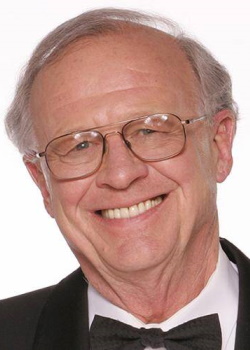 Composer, arranger and conductor Patrick Williams died in Santa Monica, California, on July 25, 2018, at the age of 79, from complications of cancer.
One of the most versatile American screen composers of his generation, Williams scored nearly 50 feature films and an enormous body of television while maintaining a parallel career in jazz and concert music. He received an Academy Award nomination, won four Emmy Awards and two Grammys, and was nominated for the Pulitzer Prize in music.
Patrick Moody Williams was born in Bonne Terre, Missouri, on April 23, 1939, and grew up in Connecticut. A trumpeter and enthusiastic jazz musician, he led his own band while still in school before studying history at Duke University, where he directed the Duke Ambassadors jazz ensemble. After graduating in 1961 he moved to New York, studied composition and conducting at Columbia University, and began working as an arranger and writer of advertising jingles.
Encouraged by Henry Mancini, Williams moved to Los Angeles in the late 1960s and quickly established himself in film and television. His early feature assignments included How Sweet It Is! (1968), followed during the 1970s by films such as Casey’s Shadow (1978), Richard Lester’s Butch and Sundance: The Early Days (1979) and Cuba (1979). His music drew naturally on jazz, big-band writing and the classical orchestral tradition, allowing him to move comfortably between comedy, romance and drama.
Williams received his only Academy Award nomination for Peter Yates’s Breaking Away (1979). Because the film made extensive use of classical music, particularly Italian repertoire reflecting its cycling-obsessed protagonist, Williams was nominated for Best Original Song Score and Its Adaptation or Adaptation Score rather than for an entirely original score. His skillful handling of the material helped give the film much of its exuberant, affectionate character.
The 1980s became his busiest decade in cinema. Williams scored Robert Zemeckis’s anarchic comedy Used Cars (1980), The Toy (1982), Jonathan Demme’s Swing Shift (1984), Carl Reiner’s All of Me (1984), The Slugger’s Wife (1985), Just Between Friends (1986) and Fresh Horses (1988). Later films included John Waters’s exuberant Cry-Baby (1990), The Cutting Edge (1992), The Grass Harp (1995) and Reiner’s That Old Feeling (1997).
Television, however, brought Williams his widest audience. His music was heard in The Mary Tyler Moore Show, The Bob Newhart Show, The Streets of San Francisco, Columbo, Lou Grant, The Days and Nights of Molly Dodd and dozens of television movies and miniseries. He wrote the memorable themes for The Streets of San Francisco and Lou Grant, while later projects included Decoration Day, Jewels, Geronimo and Kingfish: A Story of Huey P. Long. His television work earned 22 Emmy nominations and four wins over the course of his career.
Away from the screen, Williams remained deeply committed to jazz. His albums brought two Grammy Awards, and he arranged for artists including Frank Sinatra, Barbra Streisand, Natalie Cole, Neil Diamond and Bette Midler. His large-scale An American Concerto fused jazz quartet and symphony orchestra and received a Pulitzer Prize nomination in 1977, while later concert works continued his lifelong attempt to bridge jazz and classical traditions.

Shop at the Movie Music UK Store

Member of the


