Stelvio Cipriani, 1937-2018
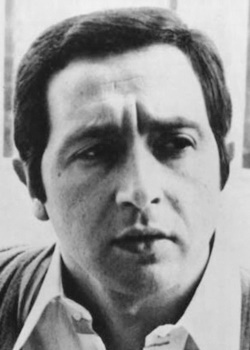 Composer Stelvio Cipriani died in Rome on October 1, 2018, at the age of 81, following a period of ill health after suffering an ischemia the previous year.
One of the most prolific composers working in Italian cinema during the 1970s, Cipriani wrote more than 200 film scores, encompassing westerns, thrillers, horror films, crime dramas, comedies and romances.
Cipriani was born in Rome on August 20, 1937. He studied piano and composition at the Conservatorio di Santa Cecilia and began his professional career accompanying popular singers, including Rita Pavone. He later spent time in the United States studying jazz before returning to Italy and entering the film industry during the mid-1960s.
His first feature score was for the 1966 western The Bounty Killer, followed by The Stranger Returns in 1967, starring Tony Anthony. The latter contained the sort of immediately memorable melody that would become a Cipriani trademark, and its main theme was subsequently recorded by Henry Mancini. Westerns provided some of his earliest opportunities, but Cipriani quickly expanded into almost every area of Italian genre cinema.
His greatest popular success came with director Enrico Maria Salerno’s romantic drama The Anonymous Venetian (Anonimo Veneziano) in 1970. Cipriani’s melancholy central melody, usually led by piano and strings, perfectly captured the film’s story of lost love and impending death against the decaying beauty of Venice. The score became enormously popular in its own right and earned Cipriani the Nastro d’Argento for Best Music, establishing him as one of Italy’s most sought-after film composers.
At the same time Cipriani became increasingly associated with giallo and horror cinema. He scored Mario Bava’s hugely influential A Bay of Blood (1971), combining attractive melodic writing with darker, dissonant suspense music, and also worked on Bava’s Baron Blood and Rabid Dogs. Other notable thrillers included The Iguana with the Tongue of Fire, Death Walks on High Heels, What Have They Done to Your Daughters? and The Bloodstained Shadow.
Cipriani was equally important to the Italian poliziottesco, the hard-edged crime films which flourished throughout the 1970s. Scores for films such as La Polizia Ringrazia, The Great Kidnapping, Emergency Squad, Killer Cop, Mark of the Cop, Colt 38 Special Squad and Highway Racer frequently combined propulsive percussion, electric bass, brass and keyboards with broad, unexpectedly lyrical themes. The main theme from The Great Kidnapping proved particularly enduring; Cipriani later reworked it for other films, and it received renewed exposure when Quentin Tarantino used it in Death Proof in 2007.
His versatility extended far beyond crime and horror. The 1970s saw him writing romantic, comedic and adventure scores alongside films such as Tentacles (1977), The Bermuda Triangle (1978), Papaya, Love Goddess of the Cannibals (1978), and The Concorde Affair (1979). His music could shift from lush orchestral romanticism to jazz, funk, electronics and easy-listening pop, often within the same score. Cipriani himself regarded the romantic Dedicato a una Stella as one of his most personal works.
Although the decline of the Italian genre-film industry reduced his cinematic output in later decades, Cipriani continued composing for film, television and documentaries, as well as religious music, including works associated with the Vatican.
Cipriani never achieved the international name recognition of contemporaries such as Ennio Morricone or Nino Rota, but among enthusiasts of Italian film music his sound remains instantly recognizable. At his best he possessed an extraordinary gift for melody, whether writing a heartbreaking love theme, a driving crime groove or an eerie horror motif. The Anonymous Venetian alone would have secured his reputation, but the enormous and varied catalogue surrounding it makes Stelvio Cipriani one of the defining musical voices of the golden age of Italian genre cinema.

Shop at the Movie Music UK Store

Member of the


